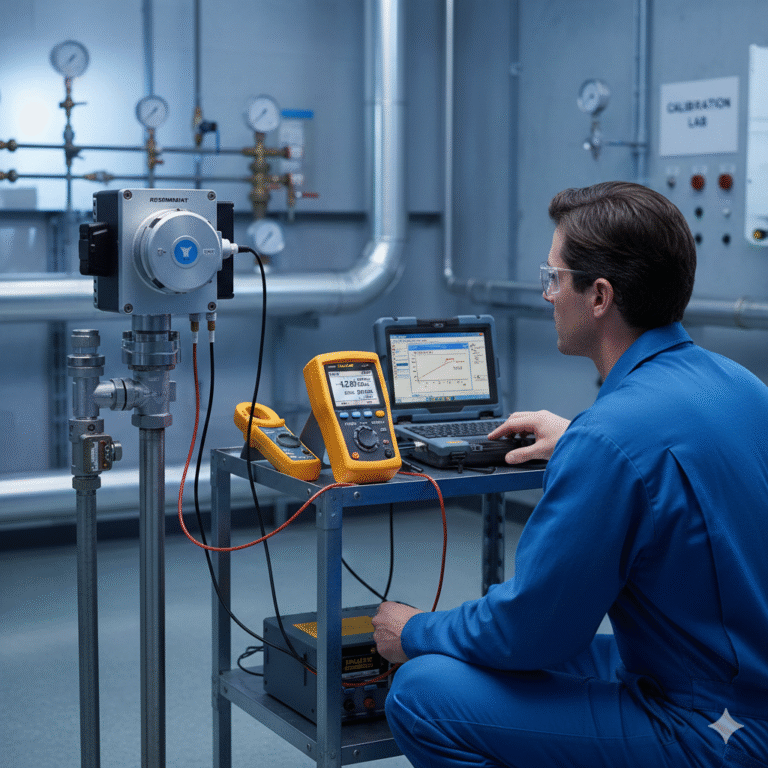
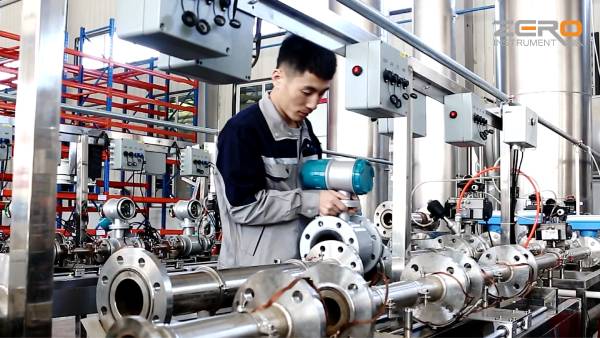
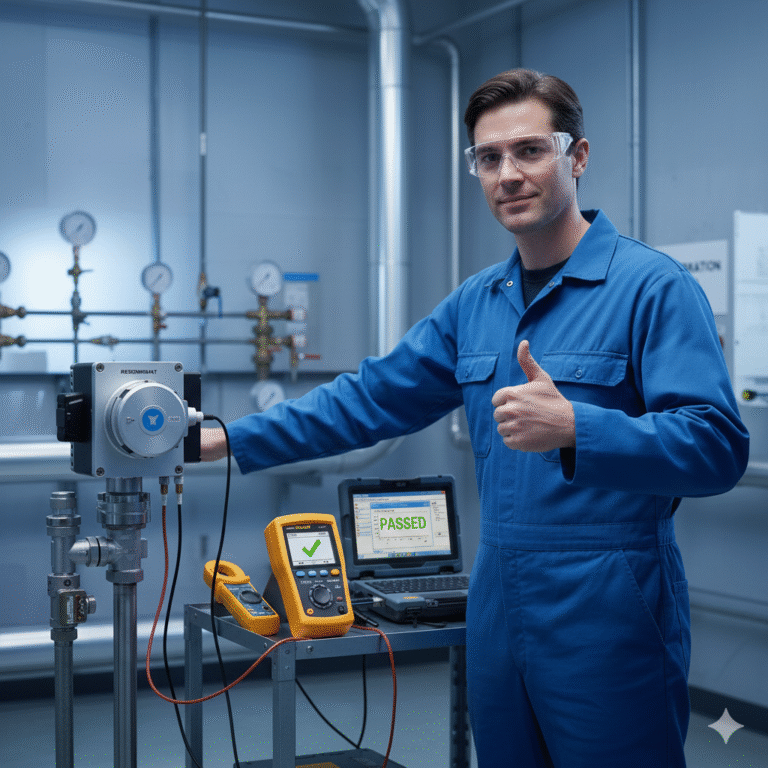
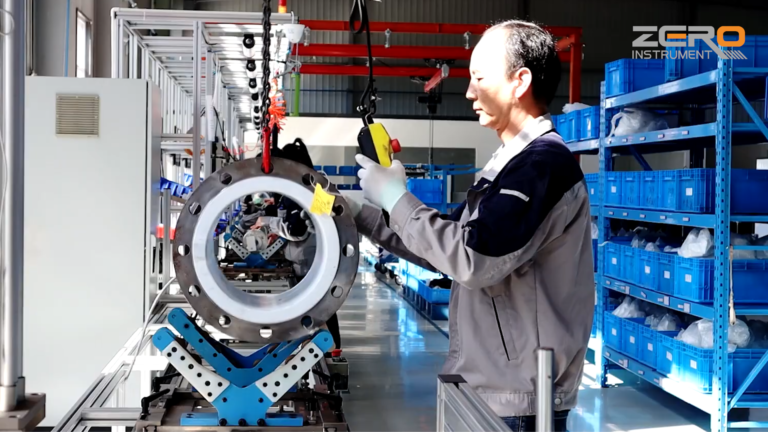
Why New Instruments Still Need Calibration Before Use (Most People Get This Wrong) / Instrumentation Many engineers and buyers believe:“If the instrument passed factory testing, it is ready to use.”👉 This is actually a common misunderstanding.In real industrial applications, especially in chemical, oil & gas, and process industries, factory-tested ≠ field-ready. ⚠️ What Really Happens After DeliveryEven if the instrument is fully tested before shipment, several factors can affect its performance:Transportation vibration may cause sensor shiftStorage humidity can affect internal circuitsTerminal connections may loosen👉 These small changes can already lead to measurement deviation before first use 🔍 Factory Conditions vs Real Working ConditionsFactory calibration is carried out under controlled conditions:Normal temperatureStable pressureClean environmentHowever, real applications often involve:High temperatureHigh pressureCorrosive mediaStrong vibration👉 This gap is the key reason why recalibration is necessaryExample:A pressure transmitter calibrated at room temperature may experience zero drift in high-temperature environments. ⚙️ System Integration Is Often OverlookedIn actual projects, instruments must work with:DCSPLCSCADA systemsCommon issues include:4–20 mA signal mismatchCommunication errors (HART / Modbus)Incorrect scaling👉 Calibration ensures the instrument performs correctly within the entire control system, not just individually 🚨 The Hidden Risk: Accuracy Means SafetyIn process industries:A level error → tank overflowA pressure deviation → potential explosion riskA flow error → production loss👉 Calibration is not only about accuracy👉 It is about safety, stability, and cost control 📏 Why Calibration Is Mandatory in Many CasesFor applications such as:Trade measurementSafety monitoringEnvironmental compliance👉 Calibration is often legally requiredThis ensures:Measurement traceabilityReliable dataCompliance with regulations 🧠 What Experienced Engineers Always DoProfessional engineers typically require:Pre-installation calibrationLoop testing with control systemsParameter adjustment based on process conditionsBecause they understand:👉 “A good instrument must match the real process — not just pass factory tests.” 🚀 How We Help You Avoid These ProblemsWe don’t just supply instruments — we ensure they work in your application.We provide:Pre-shipment calibration based on your working conditionsSignal simulation and loop testing supportParameter pre-configuration (range, output, protocol)Installation and commissioning guidance👉 Result:Faster startupLess troubleshootingMore stable operation 📩 Need Support for Your Project?To recommend the best solution, just share:Medium typeFlow / pressure / level rangeTemperature & pressureInstallation conditionsWe will help you configure the instrument for real working conditions — not just factory standards. Share This Story, Choose Your Platform! Contact Us Please prove you are human by selecting the car. Request a Quote