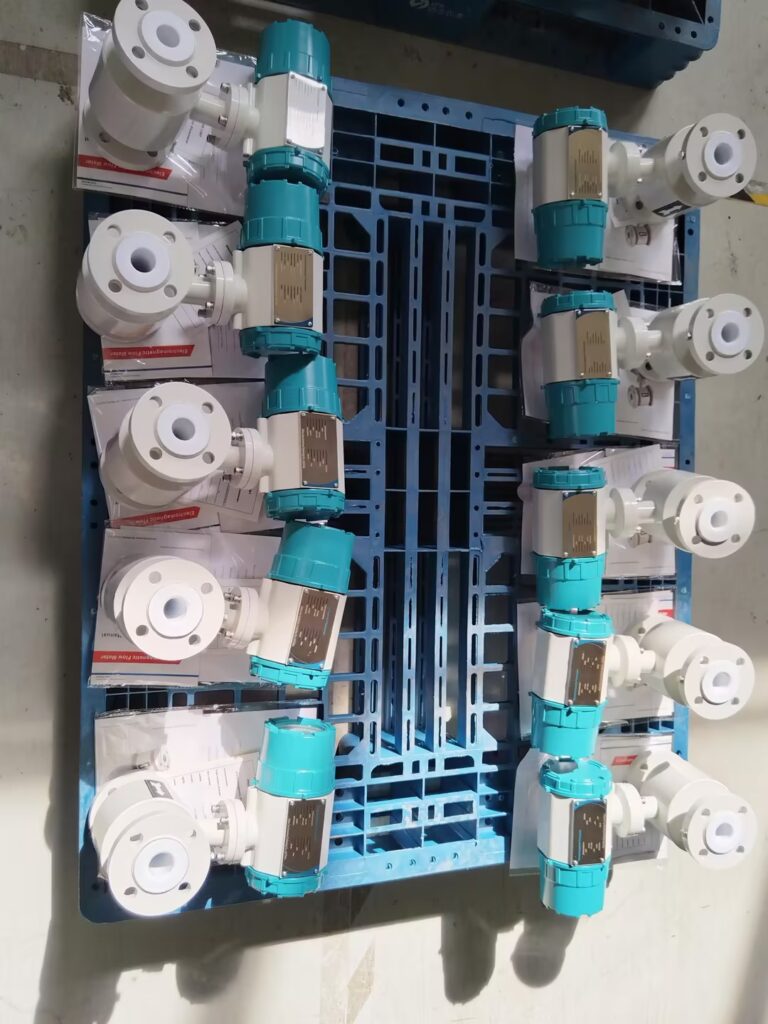
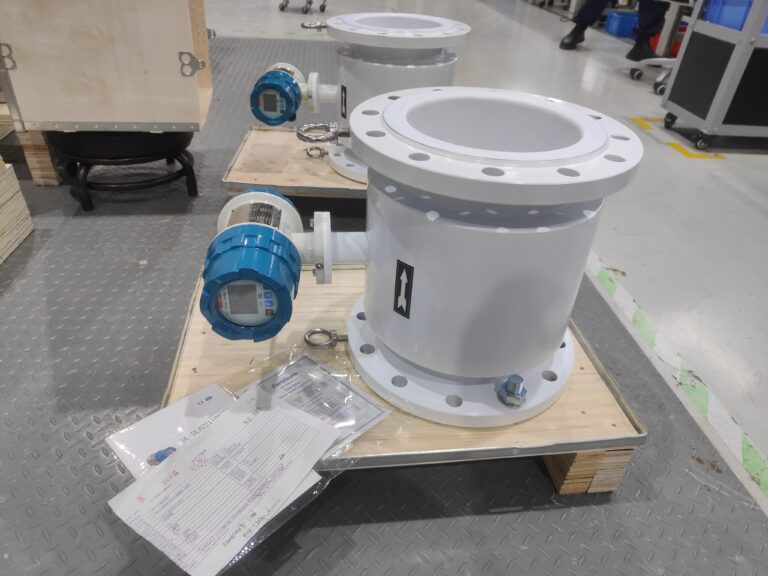
In many industrial applications, engineers often encounter a frustrating issue:
👉 The electromagnetic flowmeter shows “empty pipe alarm” — even when there is flow.
This problem can lead to:
Incorrect readings
Process interruptions
Unnecessary troubleshooting costs
In this guide, we’ll explain the real causes, practical solutions, and how to avoid this issue in your project.
What Is an Empty Pipe Alarm?
An empty pipe alarm occurs when the flowmeter detects that the pipe is not fully filled with conductive liquid, which is essential for accurate measurement.
Electromagnetic flowmeters rely on conductivity detection, so if the medium does not meet the required conditions, the device assumes the pipe is empty.
Main Causes of Empty Pipe Alarm
1. Pipe Not Fully Filled
This is the most common reason. Especially in horizontal installations, partial filling can trigger false alarms.
2. Low Conductivity of Liquid
Electromagnetic flowmeters typically require: 👉 Conductivity ≥ 5 μS/cm
If the conductivity is too low, the meter may interpret it as an empty pipe.
3. Incorrect Empty Pipe Threshold Setting
The alarm threshold is adjustable and depends on:
Medium conductivity
Installation condition
Improper settings can make the system too sensitive or too insensitive.
4. Electrode Contamination
If electrodes are:
Coated
Fouled
Corroded
👉 Signal detection becomes unstable → triggers alarm
5. Wiring or Signal Issues
Incorrect wiring or poor grounding can also cause:
False alarms
Unstable readings
How to Troubleshoot (Step-by-Step)
Here are proven field methods:
✔ Check if the pipe is completely filled ✔ Short SIG1, SIG2, and GND terminals → If alarm disappears → transmitter is normal
✔ Check signal wiring and grounding ✔ Measure electrode resistance (< 50kΩ recommended) ✔ Measure voltage between electrodes (< 1V)
👉 If abnormal → clean or replace electrodes
Practical Solutions
To eliminate empty pipe alarms:
Adjust empty pipe alarm threshold based on actual medium
Ensure proper grounding and shielding
Clean electrodes regularly
Use correct installation method
Installation Best Practices (Very Important)
To avoid false alarms:
✔ Install vertically (flow from bottom to top) ✔ Maintain full pipe condition ✔ Recommended flow velocity: 2–4 m/s ✔ For slurry: ≤ 3 m/s to reduce wear
How Our Flowmeters Help You Avoid This Problem
Our electromagnetic flowmeters are designed for stable and reliable operation:
✅ Advanced empty pipe detection algorithm ✅ Adjustable sensitivity for different media ✅ Strong anti-interference performance ✅ Suitable for low conductivity applications (customizable)
👉 This ensures fewer false alarms and more stable measurement.
Need Help Selecting the Right Model?
To recommend the best solution, please provide:
Medium type (e.g., water, syrup, slurry)
Flow range
Pipe size
Temperature & pressure
We will help you choose the most stable and cost-effective solution.