
Many chemical projects reach the final stage and only then begin preparing acceptance documents, arranging inspections, and organizing compliance reviews.
However, problems discovered during acceptance are often not new. In many cases, they have already existed throughout the earlier stages of engineering design, procurement, construction, commissioning, and change management.
For example:
- Safety systems may already be installed, but required functional tests are incomplete.
- Fire protection facilities may be completed, but related approval procedures are still pending.
- Third-party assessment reports may have been issued, but the plant may still not be ready for operation.
Therefore, before startup, chemical projects should separately review several key workstreams:
- Process and safety compliance
- Fire protection systems
- Environmental protection requirements
- Occupational health protection
- Equipment, piping, electrical, and instrumentation readiness
Only after each area is properly verified can the final acceptance process proceed smoothly.
What Are the Main Acceptance Checks for Hazardous Chemical Projects?
Before a hazardous chemical production or storage facility is put into operation, several acceptance activities are usually required.
The main inspection areas include:
- Safety facility acceptance
- Fire protection inspection
- Environmental protection acceptance
- Occupational health and safety inspection
- Equipment and system commissioning verification
Each area has different inspection objectives and must be managed separately.
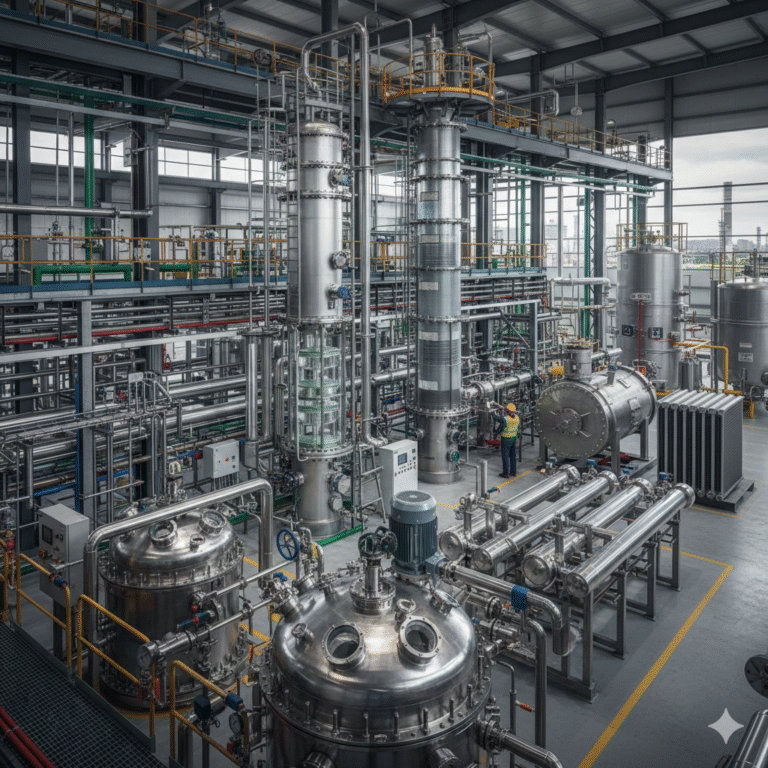
1. Safety Facility Acceptance
Safety facility acceptance focuses on whether the safety measures defined during the engineering stage have been properly installed and can provide the required protection during operation.
Typical inspection items include:
- Flammable and toxic gas detection systems
- SIS (Safety Instrumented System)
- ESD (Emergency Shutdown System)
- Safety interlocks and shutdown logic
- Pressure relief devices such as safety valves and rupture discs
- Explosion-proof electrical equipment
- Emergency isolation valves
- Storage tank fire protection systems
- Containment areas and emergency drainage systems
- Fire water supply and backup power systems
- Major hazard monitoring systems
- Operating procedures and emergency response preparation
Common problems found during the final inspection include:
Equipment installed but different from the approved design
For example, an instrument model, installation position, or connection method may have been changed during construction without updating the engineering documents.
Control logic completed but test records missing
Safety systems such as SIS and ESD may already be connected, but complete functional test reports are required before approval.
Design requirements not fully implemented
Some safety functions may have been modified or removed during construction without proper technical review.
Therefore, safety acceptance should always compare:
- Approved design documents
- Actual installation conditions
- Testing records
- Operation and maintenance requirements
All four aspects must be consistent.
2. Fire Protection Inspection
Fire protection requirements overlap with process safety, but they focus on different areas.
Fire protection inspection mainly covers:
- Fire water supply systems
- Fire pumps
- Automatic fire alarm systems
- Automatic extinguishing systems
- Foam fire suppression systems
- Fire separation structures
- Fire protection distance requirements
- Emergency evacuation routes
- Fire control linkage functions
- Construction quality of fire protection facilities
Common issues include:
- Fire protection equipment does not match the approved design
- Fire alarm and fire control linkage tests are incomplete
- Materials were changed during construction without updated certification
- Equipment layout changes affect fire separation distance or evacuation paths
Completing safety system acceptance does not replace fire protection inspection. Both must be independently verified.
3. Environmental Protection Acceptance
Environmental acceptance is not completed simply because pollution control equipment has been installed.
The project must verify whether:
- Environmental assessment requirements
- Approved design documents
- Pollution control facilities
- Actual operating conditions
are consistent.
Typical inspection points include:
- Waste gas treatment systems
- Wastewater treatment systems
- Solid waste management
- Noise control measures
- Accident wastewater collection systems
- Pollution discharge monitoring
Common problems include:
- Waste gas pipelines connected differently from the approved design
- Emergency wastewater routing not matching the environmental plan
- Project modifications completed without evaluating environmental impact
- Actual production conditions not matching the approved documents
Environmental management should not be handled only at the end of the project.
Any changes involving:
- Process equipment
- Production capacity
- Pipeline routing
- Emission points
should be reviewed immediately for possible environmental impact.
4. Occupational Health Protection Inspection
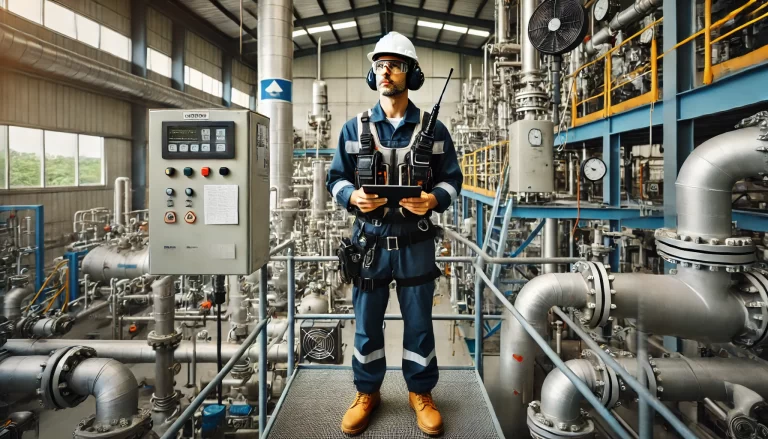
Process safety focuses mainly on accident prevention, while occupational health focuses on long-term exposure risks for employees.
Hazardous chemical facilities may involve:
- Toxic chemicals
- Dust
- Noise
- High temperature
- Chemical exposure risks
Inspection items usually include:
- Ventilation systems
- Local exhaust ventilation
- Closed process equipment
- Gas protection measures
- Emergency showers and eyewash stations
- Noise reduction measures
- Personal protective equipment
- Hazard warning signs
- Occupational health monitoring records
Many occupational health problems cannot be solved simply by adding warning labels or protective equipment after construction.
For example:
- Poor ventilation design
- Incorrect emergency shower location
- Excessive noise concentration in working areas
should be considered during engineering design and equipment layout.
5. Equipment and System Commissioning Verification
In addition to specific acceptance procedures, all equipment and systems must complete pre-startup verification.
Main inspection items include:
Mechanical and piping systems
- Equipment installation inspection
- Pressure testing
- Pipeline flushing and cleaning
- Leak testing
Electrical and instrumentation systems
- Instrument calibration
- Loop check
- Signal verification
- Alarm testing
- Interlock testing
- Electrical testing
- System integration testing
Documentation review
- As-built drawings
- Engineering change records
- Equipment documentation
- Pressure vessel and pressure piping certificates
Common problems include:
- Updated drawings not reflected in final documents
- Equipment parameters changed but not updated
- Instrument interlocks active but test records incomplete
Most of these issues are related to incomplete change management.
Key Acceptance Areas at a Glance
| Acceptance Area | Main Focus | Typical Inspection Items |
|---|---|---|
| Safety Facilities | Safe operation capability | SIS, ESD, alarms, interlocks, gas detection, relief systems |
| Fire Protection | Fire prevention and emergency response | Fire water, alarms, extinguishing systems, evacuation |
| Environmental Protection | Pollution control compliance | Waste gas, wastewater, emissions, monitoring |
| Occupational Health | Employee protection | Ventilation, chemical protection, noise control |
| Equipment & Systems | Startup readiness | Equipment, piping, electrical, instrumentation, testing records |
Why Do Chemical Projects Often Require Repeated Rectification?
Many problems occur because acceptance requirements are considered too late.
Some projects start reviewing documents only after construction is completed. As a result, design changes, construction differences, and commissioning problems are concentrated at the final stage.
A better approach is to move acceptance requirements forward:
During engineering design:
Define acceptance requirements early.
During construction:
Verify that actual installation matches approved documents.
During modification:
Evaluate the impact on safety, environmental, and operational requirements.
During commissioning:
Complete functional testing and performance verification.
Before startup:
Conduct a complete readiness review.
This approach reduces late-stage corrections and helps ensure a smoother startup.
Conclusion
Before a hazardous chemical facility begins operation, acceptance is not only about completing documents. It requires consistency between:
- Engineering design
- Equipment installation
- Instrumentation systems
- Testing records
- Actual operating conditions
A practical approach is to create an acceptance checklist from the design stage and continuously update it through construction, commissioning, and project changes.
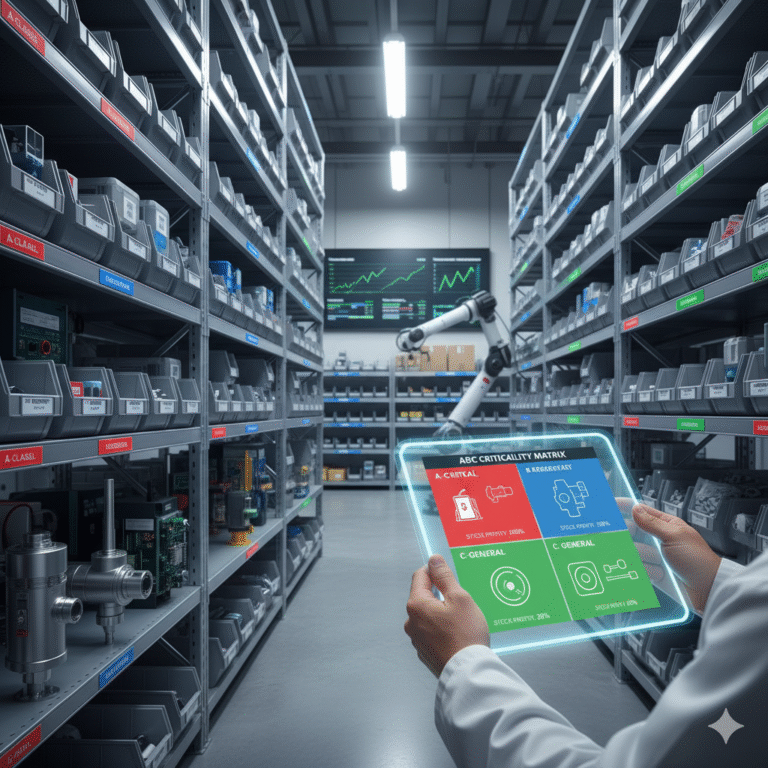
For chemical plants, reliable instrumentation and properly tested safety systems are essential parts of startup readiness.