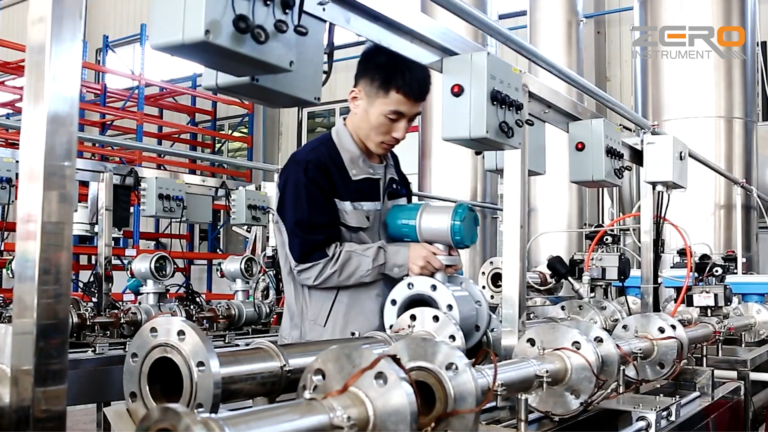
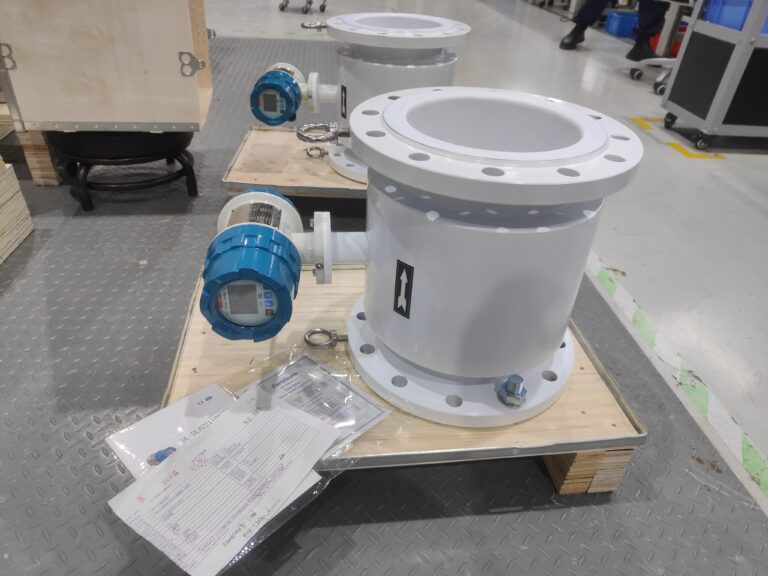
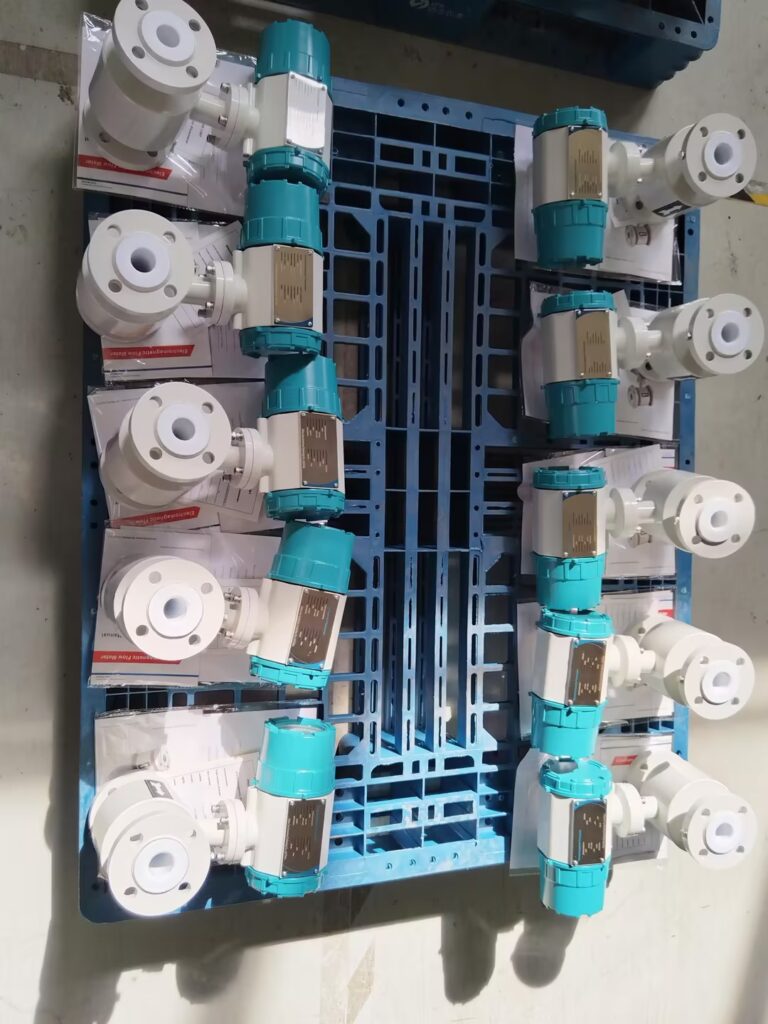
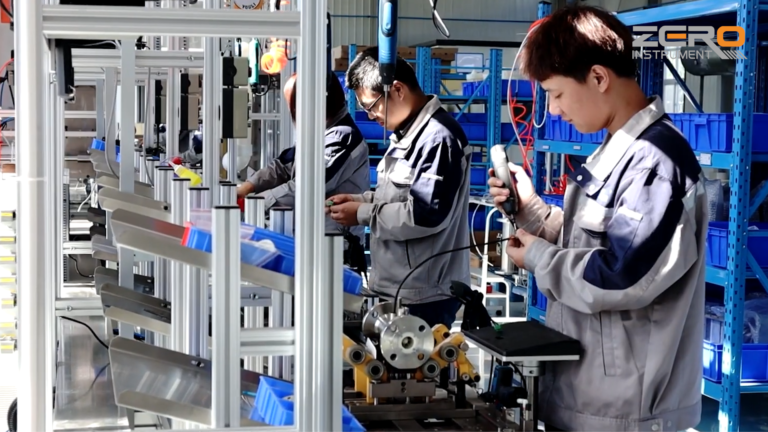
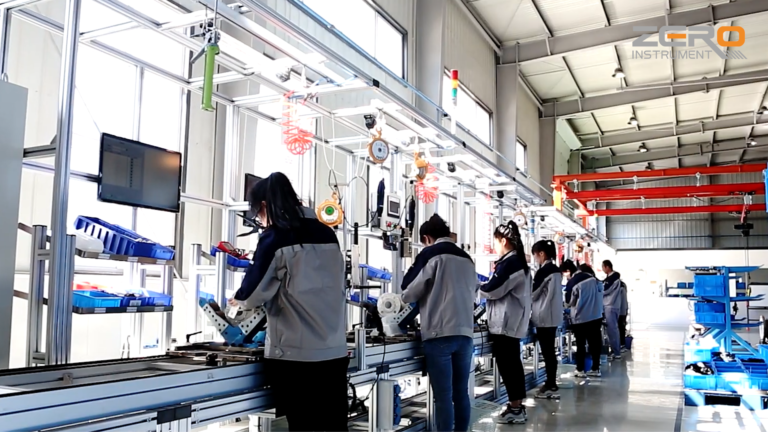
Why Burn-In Testing Before Shipment Is Critical for Industrial Instruments / Instrumentation 🔥 Why Some Instruments Fail Within WeeksHave you ever experienced this?A flowmeter works fine at first… then signal becomes unstableA pressure transmitter starts drifting after installationA device fails shortly after being put into operation👉 In many cases, the root cause is simple:No proper burn-in (aging) test before shipment. What Is Burn-In Testing?Burn-in testing (also called pre-aging) is a process where instruments are:Powered on continuouslyOperated under simulated working conditionsMonitored over a period of time before shipment👉 The goal is to detect hidden defects and stabilize performance before the product reaches the customer. Why Burn-In Testing Matters to YouThis is not just a factory process — it directly impacts your project.✅ 1. Prevent Early FailuresBurn-in testing exposes:Component defectsPoor solderingHidden electrical issues👉 So you don’t receive faulty products on site. ✅ 2. Ensure Long-Term StabilityElectronic components (resistors, chips, sensors) stabilize after continuous operation.👉 This means:No signal fluctuationNo unexpected driftStable measurement from day one ✅ 3. Reduce Installation RisksWithout burn-in testing, problems often appear after installation, which leads to:Project delaysExtra labor costCustomer complaints👉 Burn-in testing minimizes these risks before delivery. How We Perform Burn-In TestingIn our production process, we follow strict burn-in procedures:🔌 100% of instruments are powered on before shipment⏱️ Continuous operation for 24–48 hours🌡️ Simulated working conditions (temperature & load)📊 Real-time monitoring of output signals📝 Test data recorded and available upon request👉 Only products that pass this process are approved for delivery. Real Impact on Your Instruments🔹 Electromagnetic FlowmetersEnsures stable 4–20 mA outputPrevents zero driftImproves long-term measurement accuracy🔹 Pressure TransmittersVerifies stability under continuous pressureReduces calibration driftEnsures reliable signal transmission🔹 Level Instruments (Radar / Ultrasonic)Confirms signal consistencyAvoids false echoes or unstable readings Without Burn-In Testing — What Can Go Wrong?Many low-cost suppliers skip this step to reduce cost.👉 The result:Hidden defects shipped to customersFailure during commissioningExpensive rework or replacementLoss of trust in your project ✅ Final TakeawayBurn-in testing is not optional — it is a critical quality control step.It ensures that your instruments are:Reliable from day oneStable in long-term operationReady for real industrial environments 🚀 Need Reliable Instruments for Your Project?If you want instruments that are fully tested before shipment, we can support you.📩 Just send us:Application (liquid / gas / slurry)Flow range or pressure rangeTemperature & installation conditionsPipe size or tank details👉 We will provide within 24 hours:Suitable model recommendationTechnical datasheetCompetitive quotation Share This Story, Choose Your Platform! Contact Us Please prove you are human by selecting the key. Request a Quote