
The flowmeter may look the same, but the logic behind selecting one has changed dramatically.
Ten years ago, if you walked into the instrumentation room of a chemical plant, you would see rows of orifice plates, vortex flowmeters, and variable area meters. Engineers carried thick selection manuals, turning to page 387 and checking boxes one by one based on process temperature, pressure, viscosity, and fluid properties.
Today, if you walk into that same plant, the instruments are still there — but the environment is completely different.
The control room now has additional screens. Engineers no longer spend their time flipping through manuals. Instead, they monitor real-time diagnostics on their phones or laptops.
A flowmeter may display a message such as:
“Minor impulse line blockage detected. Maintenance recommended within the next 72 hours.”
Same pipeline.
Same process fluid.
Same operating conditions.
But within a decade, the philosophy of flowmeter selection has been completely rewritten.
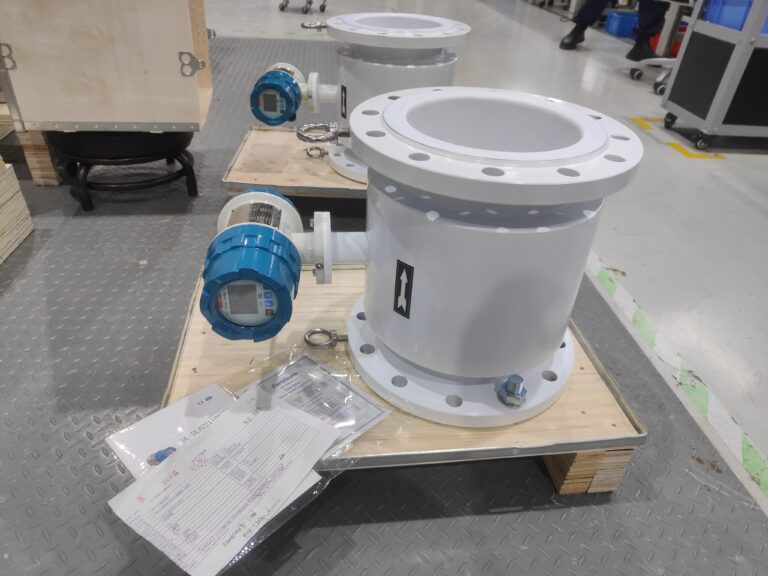
1. From Measuring Flow to Managing Data
Traditionally, selecting a flowmeter meant choosing a measurement device.
Need to measure steam? Choose a vortex flowmeter.
Conductive liquids? Electromagnetic flowmeter.
Gas applications? Orifice plate or turbine flowmeter.
The decision criteria were straightforward:
- Can it measure accurately?
- Can it withstand the process temperature and pressure?
- How much pressure loss will it create?
- Is the cost acceptable?
Once the meter was installed and numbers appeared on the display, the job was considered complete.
Today, selecting a flowmeter means selecting a data node.
Modern industrial facilities expect much more than a measurement value. The questions engineers ask have changed:
- Can the instrument diagnose its own health condition?
- Can it communicate seamlessly with the DCS or PLC system?
- Can its data support predictive maintenance strategies?
- Can it contribute to plant-wide digitalization initiatives?
The flowmeter is no longer an isolated field device.
It has become part of the industrial data infrastructure.
Selection has evolved from choosing an instrument to choosing a connected asset within the digital factory ecosystem.
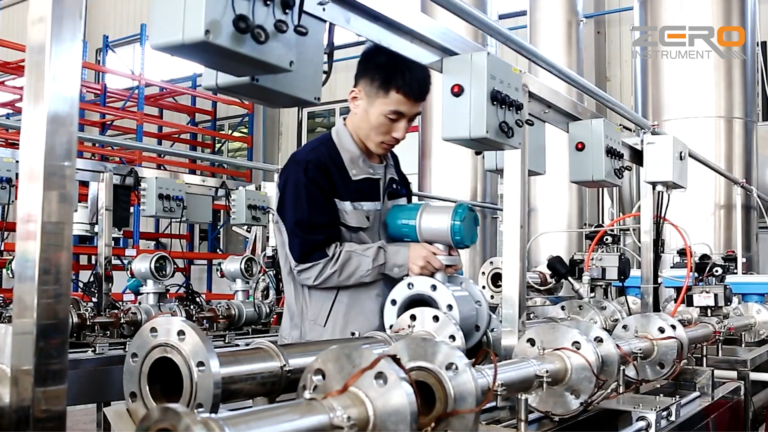
2. From One Solution Fits All to Application-Based Selection
For many years, the default answer to most flow measurement problems was simple:
Use an orifice plate.
It was inexpensive, standardized, widely accepted, and easy to calculate.
Steam applications used orifice plates.
Gas applications used orifice plates.
Many liquid applications used orifice plates as well.
In some facilities, more than 80% of flow measurement points relied on differential pressure technology.
Of course, engineers understood the disadvantages:
- High permanent pressure loss
- Long straight-run requirements
- Sensitivity to contamination and wear
But the technology was mature and often considered “good enough.”
Today, the selection landscape looks very different.
Balanced flowmeters offer lower pressure losses and improved repeatability compared with conventional orifice plates.
Multi-path ultrasonic flowmeters provide custody-transfer-level accuracy while allowing clamp-on installation without shutting down the process.
Modern electromagnetic flowmeters benefit from improved signal processing, advanced excitation technology, and enhanced noise immunity.
Coriolis flowmeters deliver direct mass flow measurement with exceptional accuracy while simultaneously providing density and temperature information.
Selection is no longer driven by price alone.
The question is no longer:
“Which technology is cheapest?”
The question has become:
“Which technology is best suited for this specific application?”
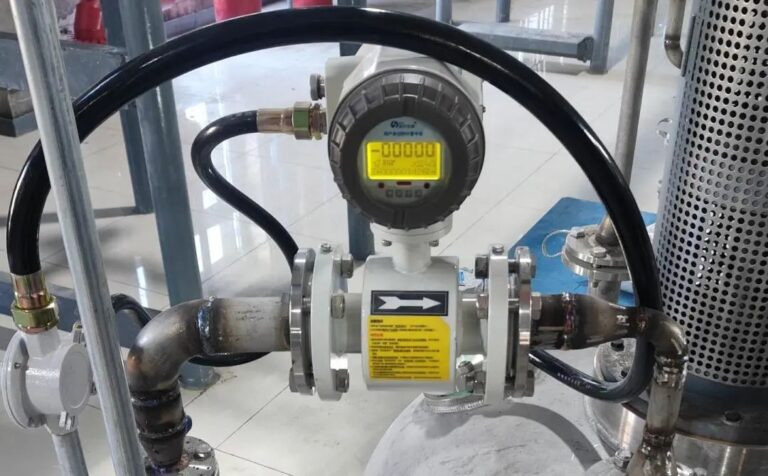
3. The Hardware Looks Similar — But the Intelligence Has Changed
The biggest transformation is not mechanical.
It is digital.
Traditional flowmeters were passive devices.
Fluid passed through the pipe.
The instrument generated a signal.
That was the end of the story.
If the measurement drifted, the problem would eventually be discovered during calibration.
If an impulse line became blocked, operators would notice only after process deviations became significant.
Modern smart flowmeters operate very differently.
Advanced diagnostic functions continuously evaluate sensor conditions and operating parameters.
Many instruments can detect:
- Sensor degradation
- Electrode coating
- Partial blockage
- Signal instability
- Process disturbances
Integrated temperature and pressure compensation algorithms improve measurement reliability under varying operating conditions.
Native support for industrial communication protocols allows seamless integration with DCS, SCADA, and IIoT platforms.
The flowmeter is no longer an isolated instrument.
It has become an active participant in the plant’s digital architecture.
More importantly, it has become predictive rather than reactive.
By combining embedded diagnostics with edge computing and analytics, modern instrumentation can identify abnormal trends before failures occur, enabling predictive maintenance and reducing unplanned downtime.
This is no longer a vision of the future.
For many industries, it is already reality.
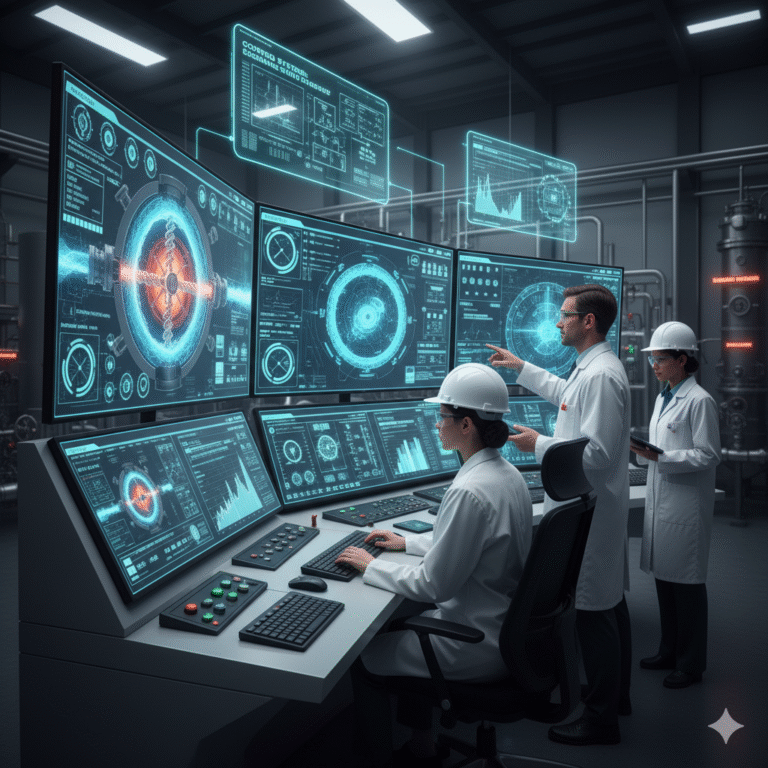
4. So What Really Changed Inside the Same Pipeline?
The Selection Criteria Changed
Ten years ago, selection was largely based on two dimensions:
- Accuracy
- Purchase price
Today, selection decisions involve a much broader perspective:
- Accuracy
- Diagnostic capability
- Communication compatibility
- Predictive maintenance functionality
- Cybersecurity
- Lifecycle cost
- Integration with digital systems
The Technology Landscape Changed
Differential pressure technology is no longer the default answer to every application.
Electromagnetic, ultrasonic, vortex, thermal mass, and Coriolis technologies now each dominate specific application areas.
Even within differential pressure measurement itself, engineers can choose among:
- Orifice plates
- Venturi tubes
- Wedge meters
- Cone meters
- Balanced flow elements
Each technology has strengths.
Each technology has limitations.
The Role of the Instrument Changed
In the past, a flowmeter acted as the plant’s eyes.
It observed.
Today, it behaves more like part of the plant’s nervous system.
It senses.
It analyzes.
It communicates.
It warns.
It participates in operational decisions.
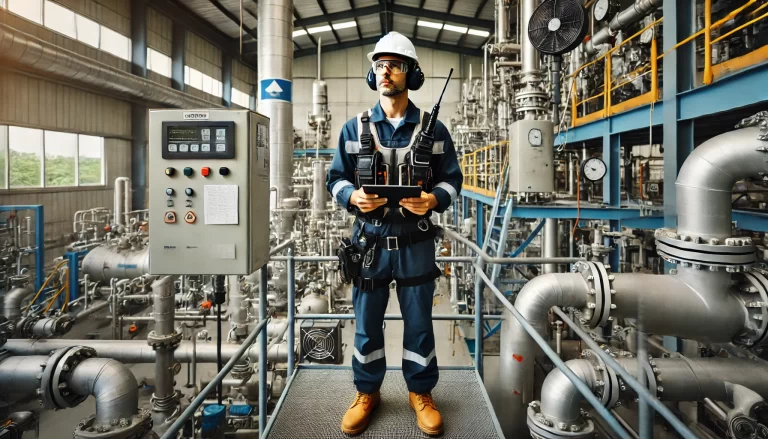
Even the People Involved Have Changed
Flowmeter selection was once primarily the responsibility of instrumentation engineers.
Today, successful projects often involve collaboration among:
- Instrumentation engineers
- Process engineers
- Automation specialists
- IT engineers
- Reliability teams
- Operations personnel
Modern flow measurement is no longer only about flow.
It is about information.
Ten years ago, engineers asked:
“Can this flowmeter measure the process accurately?”
Today, the question has evolved into:
“How much value can this flowmeter create from the data it generates?”
The pipeline has not changed.
The process fluid has not changed.
What changed is how industry thinks about measurement.