
Industrial instruments are widely used in harsh environments such as oil & gas, chemical plants, water treatment facilities, power generation, and manufacturing industries. However, even a high-quality instrument may experience measurement errors, signal instability, or premature failure if the installation environment does not meet its requirements.
Environmental conditions such as temperature, humidity, vibration, electromagnetic interference, and corrosive gases can directly affect instrument accuracy and service life.
Understanding these environmental requirements is essential for proper instrument selection, installation, and maintenance.
1. Why Environmental Conditions Matter for Industrial Instruments
Industrial instruments such as flow meters, pressure transmitters, level transmitters, and temperature sensors usually operate continuously for years. During operation, they may be exposed to:
- Extreme temperatures
- High humidity and condensation
- Mechanical vibration
- Electromagnetic interference
- Dust and corrosive gases
- Outdoor weather conditions
If these factors are ignored, common problems may occur:
- Incorrect measurement results
- Signal fluctuation
- Electronic component failure
- Sensor damage
- Reduced equipment lifetime
Therefore, environmental conditions should always be considered together with process parameters during instrument selection.
2. Temperature Requirements for Industrial Instruments
Temperature is one of the most important environmental factors affecting instrument performance.
Most industrial instruments have a specified operating temperature range according to their design and application.
Typical examples include:
Standard Industrial Instruments
Many general-purpose instruments are designed for approximately:
-20°C to +60°C
This range is suitable for most indoor and outdoor industrial applications.
Wide Temperature Instruments
For harsh environments, special versions may support:
-40°C to +70°C or higher
These instruments are commonly used in:
- Cold regions
- Outdoor installations
- Oil & gas facilities
- Chemical plants
Laboratory and High-Precision Instruments
Laboratory instruments and calibration equipment usually require a more stable environment.
For example:
- Controlled temperature rooms
- Limited temperature variation
- Stable humidity conditions
Unlike industrial process instruments, these devices may require strict temperature control to maintain measurement accuracy.
Temperature Changes and Measurement Stability
Rapid temperature changes may affect electronic components and sensor performance.
For precision applications, sudden temperature fluctuations should be minimized.
Many instruments also use:
- Temperature compensation
- Thermal insulation
- Remote mounting of electronics
to reduce temperature-related errors.
3. Humidity and Condensation Protection
Humidity is another critical environmental factor for industrial instruments.
Excessive moisture may cause:
- Electrical leakage
- Short circuits
- Corrosion of metal parts
- Insulation degradation
Typical industrial environments require:
Relative humidity: 30%–80%, without condensation
However, high humidity environments require additional protection.
Examples:
- Outdoor installations
- Cooling towers
- Wastewater plants
- Marine environments
Important Note About IP Protection
IP ratings such as:
- IP65
- IP67
- IP68
indicate protection against dust and water ingress.
However, they do not mean the instrument can withstand unlimited humidity exposure.
Long-term exposure to high humidity may still cause problems due to:
- Condensation inside the housing
- Cable entry leakage
- Temperature cycling
Recommended solutions include:
- Proper cable glands
- Sealed junction boxes
- Breather valves
- Corrosion-resistant materials
4. Vibration and Mechanical Shock Requirements
Many industrial instruments are installed near:
- Pumps
- Motors
- Compressors
- Pipelines
- Rotating equipment
Continuous vibration may cause:
- Loose electrical connections
- Mechanical fatigue
- Sensor damage
- Unstable measurement signals
Industrial instruments are usually tested according to vibration and shock standards such as:
IEC 60068 environmental testing series
The actual vibration resistance depends on:
- Instrument type
- Installation method
- Process conditions
Example:
For electromagnetic flow meters:
Excessive pipeline vibration may affect:
- Sensor stability
- Cable connection reliability
- Long-term mechanical durability
Recommended practices:
- Avoid installation directly on strong vibration sources
- Use proper pipe supports
- Install vibration isolation when necessary
5. Electromagnetic Compatibility (EMC) Requirements
Modern industrial instruments contain sensitive electronic circuits, making electromagnetic compatibility an important consideration.
Common sources of electromagnetic interference include:
- Variable frequency drives (VFD)
- Large motors
- Power cables
- Welding equipment
- High-voltage equipment
EMC requirements normally include:
Immunity
The instrument should continue operating correctly under electromagnetic interference.
Emission Control
The instrument should limit electromagnetic radiation generated by itself.
Common standards include:
- IEC 61000 series
- CISPR standards
Installation Recommendations:
To reduce EMC problems:
- Separate signal cables from power cables
- Use shielded cables when required
- Ensure correct grounding
- Avoid parallel routing with high-current cables
6. Corrosive and Hazardous Environments
Some industrial environments contain aggressive substances such as:
- Acid vapors
- Chlorine
- Hydrogen sulfide (H₂S)
- Salt spray
- Chemical gases
These conditions may damage:
- Sensor bodies
- Electronic housings
- Connection terminals
- Sealing materials
For corrosive applications, consider:
- Stainless steel housing
- Special coatings
- PTFE/PFA lining
- Hastelloy or titanium wetted parts
For hazardous areas, additional requirements may include:
- Explosion-proof certification
- ATEX approval
- IECEx certification
7. Altitude Effects on Instrument Performance
At high altitude locations, reduced atmospheric pressure and lower air density may affect some instruments.
For installations above approximately:
2000 meters above sea level
special consideration may be required for:
- Electrical insulation
- Cooling performance
- Pressure measurement reference conditions
Always check manufacturer specifications for high-altitude applications.
8. Environmental Requirements for Different Industrial Instruments
Different instruments have different environmental priorities.
Electromagnetic Flow Meter
Important factors:
- Pipeline vibration
- Grounding condition
- Moisture protection
- Electromagnetic interference
Common applications:
- Water treatment
- Chemical processes
- Mining
Pressure Transmitter
Important factors:
- Ambient temperature
- Overpressure conditions
- Corrosive gases
- Moisture protection
Common applications:
- Oil & gas
- Steam systems
- Process industries

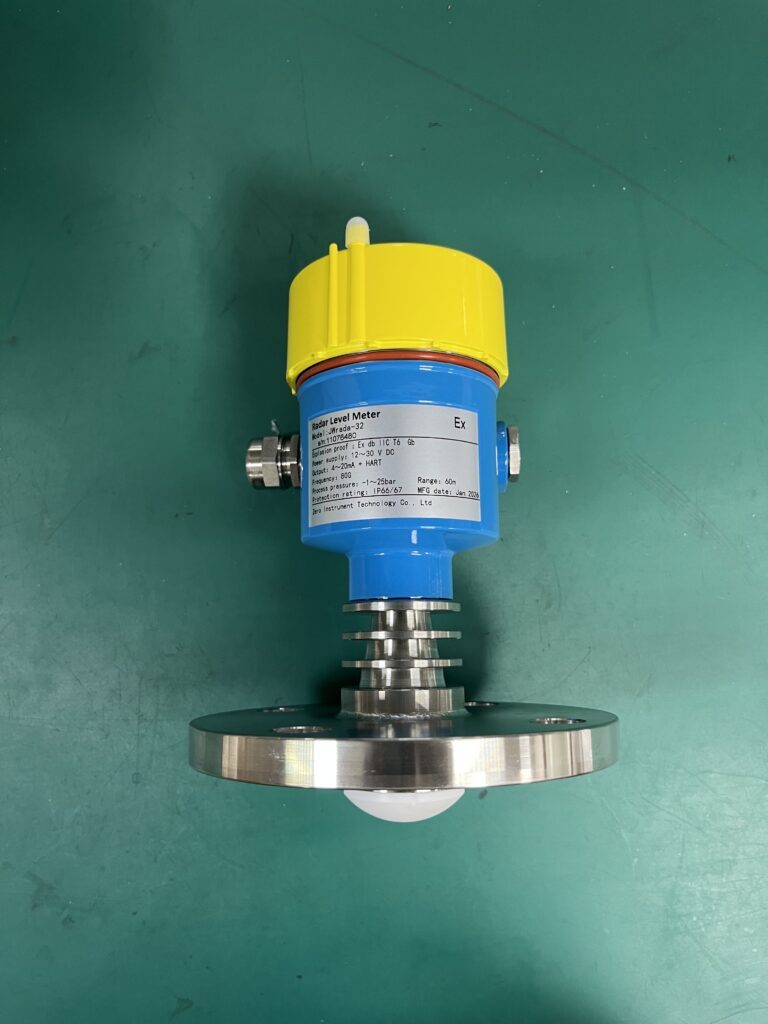
Radar Level Transmitter
Important factors:
- High temperature
- Dust
- Vapor
- Condensation
Common applications:
- Storage tanks
- Silos
- Chemical vessels
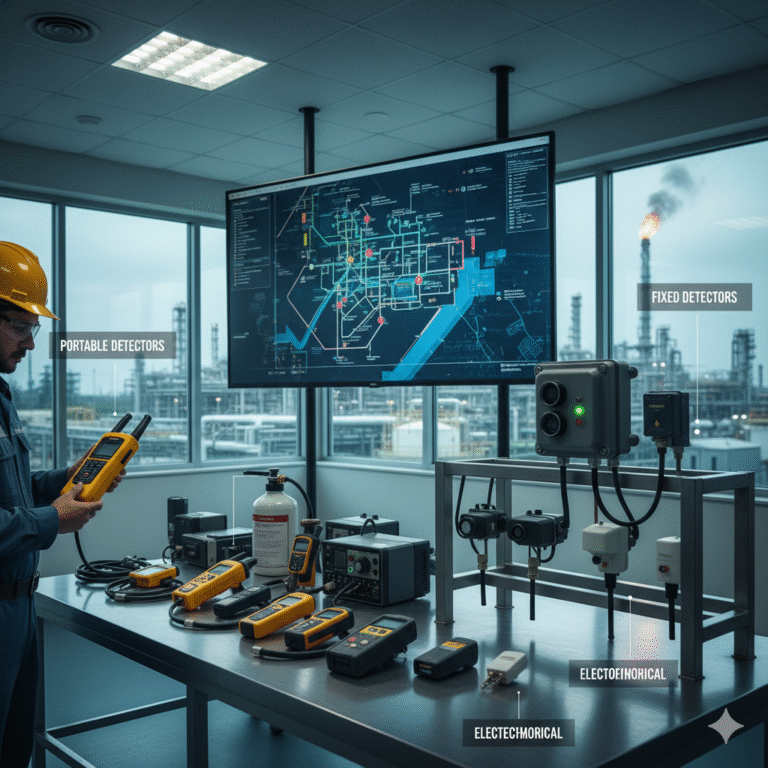
Gas Detector
Important factors:
- Ambient temperature
- Humidity
- Gas composition
- Explosion protection requirements
Common applications:
- Chemical plants
- Refineries
- Industrial facilities
9. Common Installation Mistakes
Even a properly selected instrument may fail because of incorrect installation.
Common mistakes include:
Installing instruments near strong vibration sources
Solution:
Use proper supports and vibration isolation.
Ignoring condensation risks
Solution:
Ensure proper sealing and cable installation.
Selecting materials without considering corrosion
Solution:
Evaluate the process environment before choosing wetted materials.
Installing sensitive electronics near high-power equipment
Solution:
Follow EMC installation recommendations.
10. How to Select the Right Instrument for Harsh Environments
Before selecting an industrial instrument, consider:
✔ Ambient temperature range
✔ Humidity level and condensation risk
✔ Vibration conditions
✔ Electromagnetic interference sources
✔ Corrosive substances
✔ Dust and water exposure
✔ Hazardous area requirements
✔ Installation location (indoor/outdoor/high altitude)
A correct environmental assessment can significantly improve instrument reliability, reduce maintenance costs, and extend service life.
For applications involving harsh environments, always confirm environmental specifications with the instrument manufacturer before final selection.
Conclusion
Environmental conditions play a critical role in industrial measurement reliability. Temperature, humidity, vibration, EMC, and corrosion can all influence instrument accuracy and lifetime.
By understanding these requirements and selecting suitable protection levels, engineers can ensure stable measurement performance in even the most demanding industrial applications.