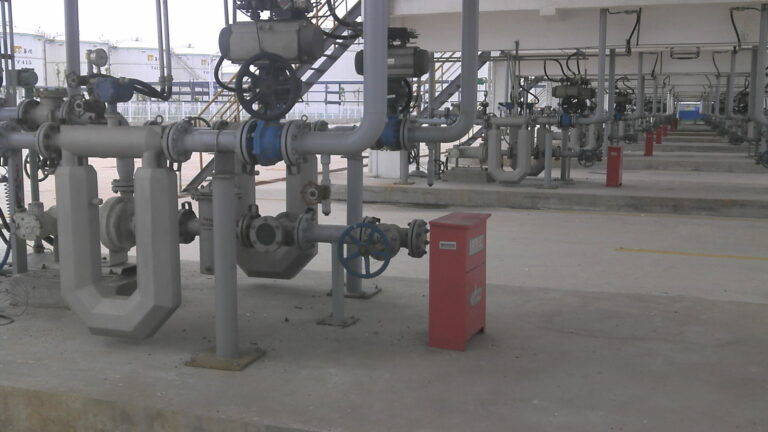
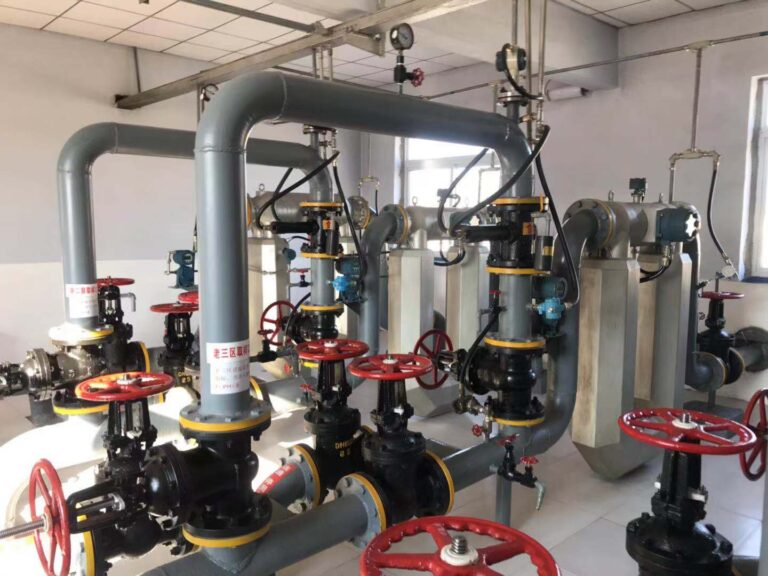
In modern industries such as fine chemicals and pharmaceuticals, precise solution preparation is critical.
However, traditional measurement methods often face a common challenge:
How can we accurately measure the solute content in a solution without complex analyzers?
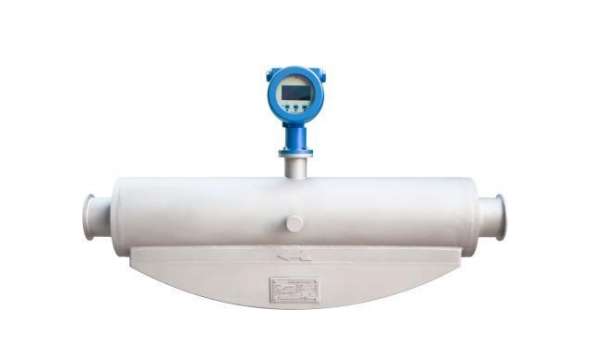
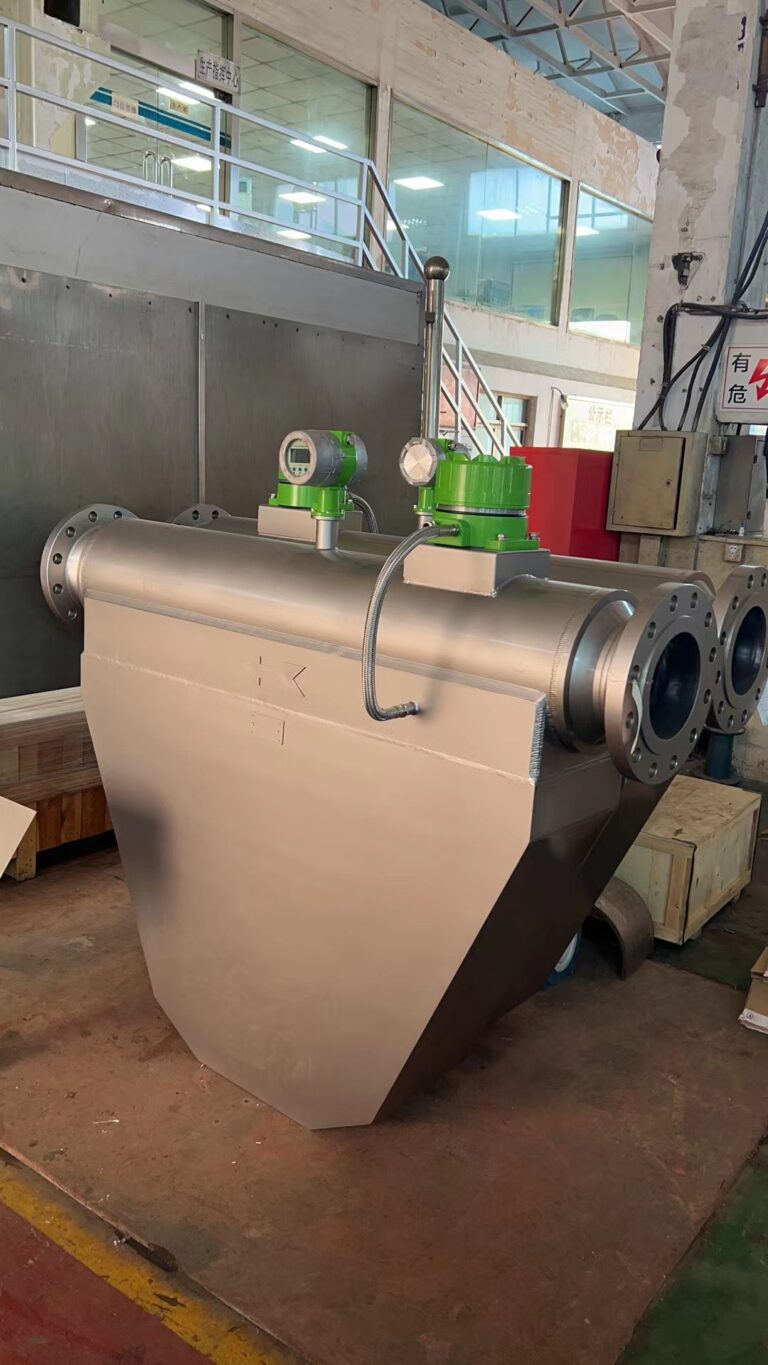
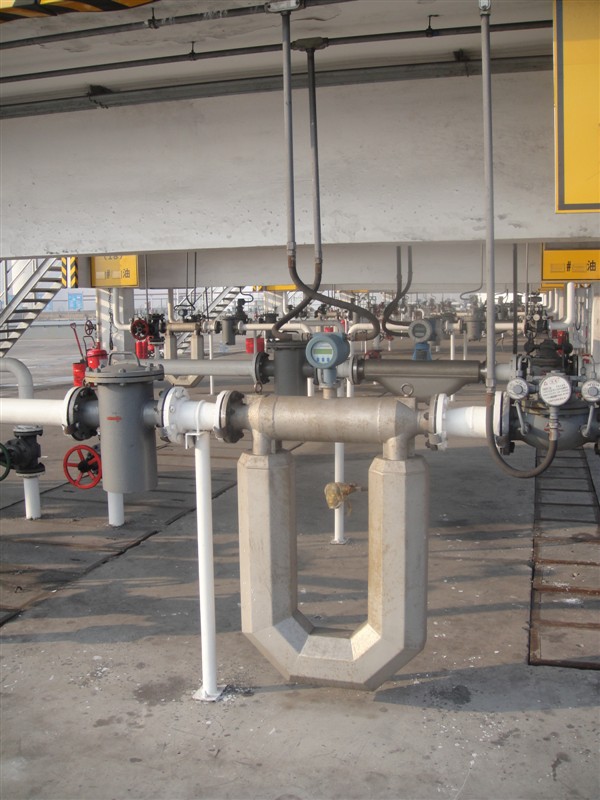
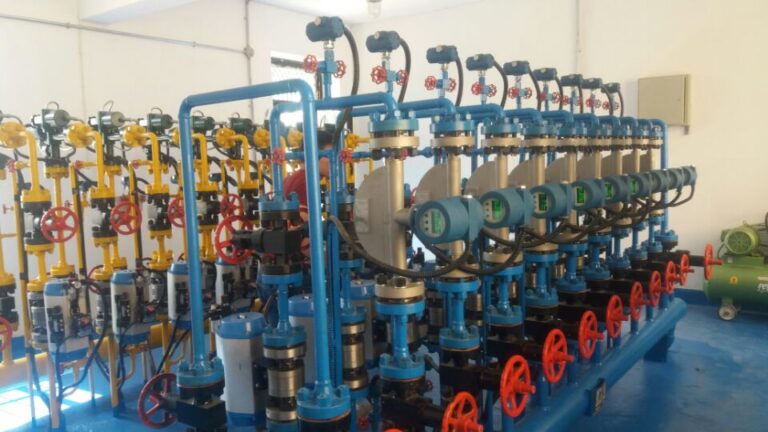
Coriolis mass flowmeters provide an efficient solution by enabling a shift:
👉 From fluid measurement → to composition measurement
By combining mass flow, density, and temperature data, they make real-time solute quantification possible.
2. Why Coriolis Mass Flowmeters Stand Out
Unlike volumetric flowmeters, Coriolis mass flowmeters can:
Directly measure mass flow (accuracy up to ±0.1%)
Simultaneously measure density (±0.001 g/cm³)
Capture temperature in real time
👉 In simple terms: density reflects concentration.
For single-solute solutions, there is a strong correlation between:
Density
Temperature
Solute concentration
This relationship allows the system to calculate solute content without additional instruments.
3. Core Calculation Principles
To achieve accurate solute measurement, two key calculation models are used:
3.1 Mass-Based Calculation
The solute mass can be calculated using:
Measured solution density
Total solution volume (derived from mass flow integration)
Solute mass fraction (from density-concentration curve)
👉 This method is ideal for process dosing and batch preparation.
3.2 Molar-Based Calculation
For applications requiring chemical precision (e.g., pharmaceuticals):
Solute mass is converted into molar quantity
Based on the known molar mass of the substance
👉 This enables stoichiometric control and formulation accuracy.
4. Temperature Compensation: The Key to Accuracy
One critical factor is temperature.
👉 Even small temperature variations can significantly affect density, leading to calculation errors.
Two compensation methods are commonly used:
4.1 Linear Compensation
Suitable for narrow temperature ranges (e.g., 20–50°C):
Simple
Fast response
Easy to implement
4.2 Polynomial Compensation
Suitable for wider temperature ranges (e.g., 0–100°C):
Higher accuracy
Handles non-linear behavior
Widely used in pharmaceutical processes
👉 In practice, compensation algorithms are embedded in the flowmeter or control system, enabling:
Automatic correction
Real-time calculation
No manual intervention
5. Real Industrial Applications
Case 1: Sulfuric Acid Dilution (Chemical Industry)
A European chemical company replaced nuclear densitometers with Coriolis flowmeters.
Results:
Accurate density + flow measurement
Real-time dilution ratio control
Stable concentration at 70%
Eliminated radiation-related costs and risks
Case 2: Ethylene Measurement (Refinery)
An Asian refinery upgraded from volumetric to mass flow measurement.
Results:
Accuracy improved to ±0.30%
Annual savings: USD 800,000
Payback period: less than 1 month
Case 3: Biopharmaceutical Production
A pharmaceutical company used Coriolis flowmeters for monoclonal antibody production.
Results:
Precise ingredient dosing
Real-time data feedback to PLC
Product consistency improved by 30%
Reduced material waste and compliance risks
6. Key Advantages Over Traditional Methods
Compared to conventional solutions:
✔ No need for additional density meters ✔ No complex calculations required externally ✔ Direct output of mass and composition data ✔ High accuracy and repeatability ✔ Suitable for hygienic and corrosive environments
7. Future Trend: Smart and Integrated Measurement
With Industry 4.0 development, Coriolis flowmeters are evolving into:
Integrated control devices (with built-in PID)
Direct control of pumps and valves
Reduced need for external controllers
Combined with IoT:
Real-time data upload
Remote monitoring
Predictive maintenance
👉 Enabling fully digitalized and intelligent process systems
8. Conclusion
Coriolis mass flowmeters are no longer just measurement instruments—they are process optimization tools.
By integrating:
Mass flow
Density
Temperature
Advanced compensation algorithms
👉 They enable accurate, real-time solute measurement without additional analyzers.
This results in:
Higher product quality
Lower operating costs
Improved efficiency
Better process control
Need a Customized Solution?
If your application involves:
Solution dosing
Concentration control
High-precision process measurement
👉 We can help you design a complete and reliable measurement solution.
Feel free to contact us for technical support and product recommendations.