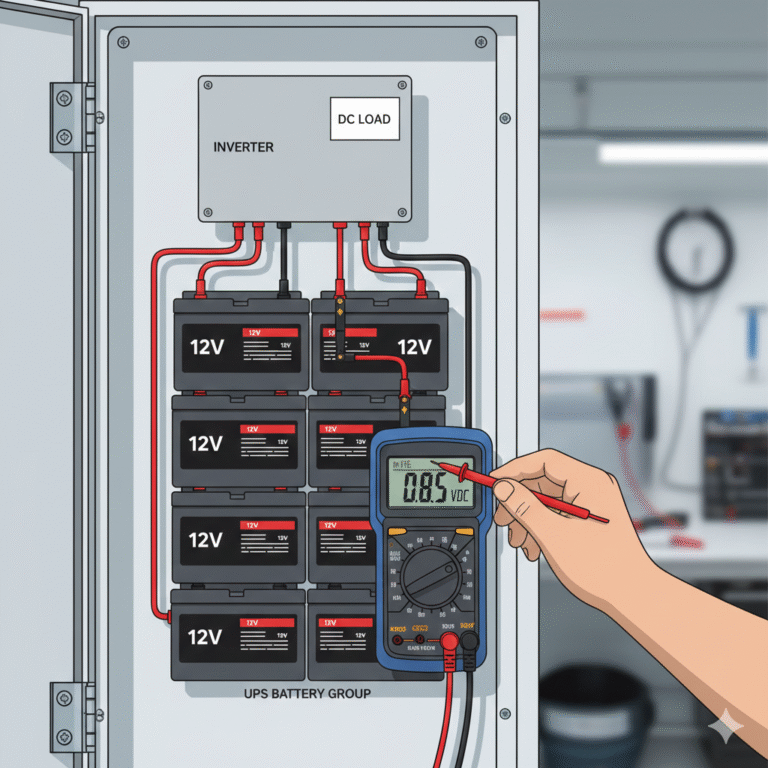
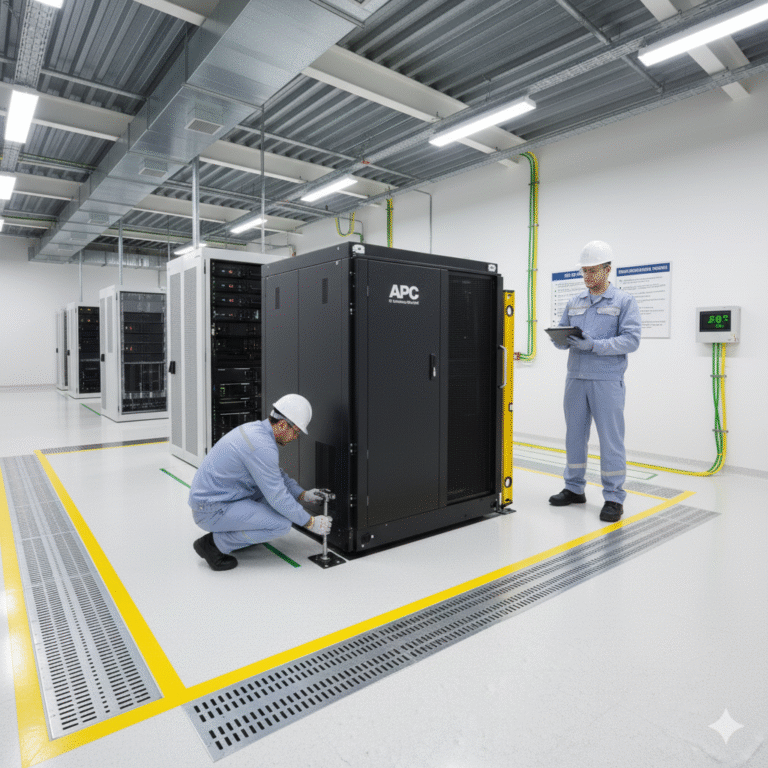
How a Loose Screw Nearly Took Down a DCS System / Instrumentation A Real UPS Failure Case Study and What We LearnedIn instrumentation and control systems, the UPS is often called the “heartbeat of the plant.”It keeps critical systems like DCS, field instruments, and control loops running—even during power disturbances.Most of the time, everything looks fine during routine inspection.But one real incident reminded us of a hard truth:👉 Sometimes, a system failure is caused by something as small as a single screw. 📍 Incident OverviewTime: February 16, 2026 – 12:04Location: UPS cabinet roomAlarm: “DCS External Power Failure”Impact: Potential risk to the entire control system ⚡ What Happened?At 12:04, the control room received an alarm:👉 DCS external power failureOperators immediately coordinated with the electrical team and confirmed:The secondary power supply had trippedEmergency inspection was initiated 🔍 On-Site InvestigationAfter arriving at the UPS room, engineers checked:Key Findings:West-side UPS system (parallel units)Completely blacked outNo input / output powerEast-side UPS systemAlarmed but still operatingContinued supplying power to DCSATS (Automatic Transfer Switch)Found in manual modeUnable to switch automaticallyRoot Cause Identified👉 A loose screw inside an electrical drawer👉 Contacted the cabinet housing👉 Caused a short circuit and tripping 🔧 Root Cause👉 A single loose screw caused a short circuit inside the electrical drawerThis led to:Power trip on secondary supplyLoss of redundancySystem-wide risk ✅ Recovery ProcessElectrical team removed the fault pointTightened internal componentsChecked insulation and safetyRestored secondary power🕐 By around 13:03:UPS systems returned to normalDCS alarm disappearedFull system operation restored 💡 Why This Incident Didn’t Cause a ShutdownThis could have been a major accident—but it wasn’t.Two key reasons saved the system:1️⃣ UPS Redundancy (Critical Protection)Dual UPS design (East & West)One side failed → the other kept running👉 This prevented total DCS shutdown 2️⃣ Fast Cross-Team ResponseControl room + electrical + instrumentation teamsImmediate coordinationFull recovery within 1 hour ⚠️ Hidden Risk We Cannot Ignore👉 The ATS switch was in manual modeIf the second UPS had failed:❗ The entire system would have gone downThis is a serious operational risk 🔥 What We Learned: 3 Critical Power Monitoring Practices1. UPS Visualization in DCS ⭐ MUST DOMake UPS status visible directly in DCS.Key data to monitor:Input/output voltage & currentBattery capacity & backup timeOperating mode (Normal / Bypass / Battery)Alarm status💡 PRO TIP:A visible UPS dashboard = early warning system 2. Full Power Loop Monitoring ⚠️ HIGH RISK AREADon’t just monitor UPS—monitor the entire power chain:👉 Power grid → ATS → UPS → Distribution → DCSRecommended monitoring points:ATS switch statusSTS system statusUPS outputDC power systems (24V / 110V)Distribution circuitsUse relay signals + DCS DI inputs for real-time status detection. 3. Alarm Logic & System DesignKey principles:Clear alarm namingAlarm prioritizationAutomatic pop-up alertsExample:👉 “DC24V Power Failure – Cabinet A”Result:Faster responseAccurate fault locationFull traceability 🚀 Final Solution: Build a Power Monitoring SystemBy combining:UPS communicationRelay-based loop detectionDCS visualizationYou can build a complete system that delivers:✅ Real-time monitoring✅ Early warning✅ Fast response✅ Reduced shutdown risk 🔚 Final Takeaway👉 Power system failures are often not caused by major faultsThey are caused by:Loose connectionsSmall installation mistakesLack of monitoringSmall detail → Big risk Share This Story, Choose Your Platform! Contact Us Please prove you are human by selecting the cup. Request a Quote