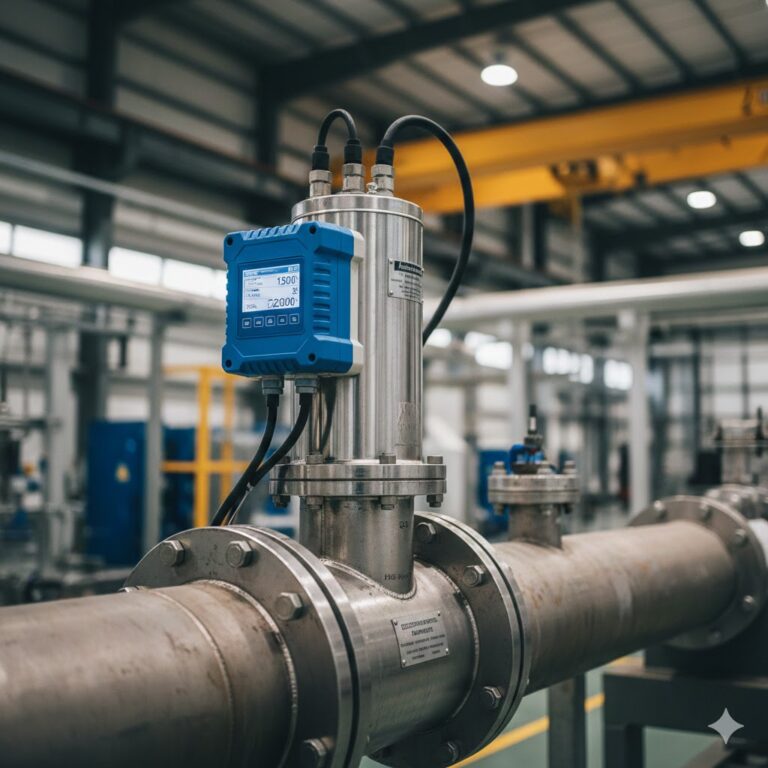
Flange, Thread, or Compression? Choose the Wrong Connection — Pay the Price / Instrumentation In industrial instrumentation, many failures don’t come from the instrument itself.👉 They come from the wrong connection method.A poor connection choice can lead to:Leakage → unplanned shutdownSignal instability → inaccurate readingsFrequent maintenance → higher costsIn worst cases → safety incidents👉 The connection is not just mechanical — it directly affects your process reliability ⚠️ Why Connection Method Matters More Than You ThinkWhether you are installing:FlowmetersPressure transmittersLevel instruments👉 The connection determines:Sealing performancePressure resistanceInstallation stabilityLong-term maintenance costYet in many projects, connection selection is often underestimated. 🔍 Flange Connection — Best for High Pressure & Large SizeFlange connections are the most reliable solution for:Large pipe sizes (DN50 and above)High pressure applicationsHigh temperature conditionsAdvantages:Strong sealing with gasketEasy disassembly for maintenanceSuitable for critical processes👉 Typical applications:Electromagnetic flowmetersVortex flowmetersLarge size level instruments⚠️ Common mistake:Using low-quality or wrong gasket → leads to leakage under temperature/pressure 🔧 Thread Connection — Simple but Easy to Get WrongThread connections are widely used for:Small instrumentsPressure transmittersTemperature sensorsAdvantages:Low costEasy installationCompact structure👉 But also the most misused⚠️ Critical warning:👉 NPT and BSP (PT/G) are NOT interchangeableWrong combination can cause:LeakageDamaged threadsInstrument failure ⚙️ Compression Fitting — The Best Choice for Instrument TubingCompression fittings are ideal for:Impulse linesSampling systemsGas and pneumatic linesAdvantages:High sealing reliabilitySuitable for precision tubingClean and compact installation👉 Widely used with:Differential pressure transmittersAnalyzer systems⚠️ Installation is critical:Tube must be fully insertedTightening must follow standard turns (e.g. 1¼ turns)Over-tightening damages the tube 📊 Quick Selection Guide (Save Your Time)When choosing connection type:👉 Check pipe size:Large diameter → FlangeSmall instrument port → ThreadTubing system → Compression👉 Check working conditions:High pressure / high temp → FlangeGeneral purpose → ThreadPrecision / gas system → Compression👉 Check medium:Hazardous / critical → prioritize sealing reliabilityNormal service → choose cost-effective option 🚨 What We See in Real ProjectsFrom real field experience, common problems include:Wrong flange gasket selectionMixed thread standards (NPT vs BSP)Poor compression fitting installationMismatch between instrument and pipeline👉 These issues are often discovered only after leakage or failure happens 🚀 How We Help You Avoid These ProblemsWe don’t just supply instruments — we ensure they fit your system correctly.We provide:Proper connection selection based on your applicationFlange standard matching (ANSI / DIN / JIS)Customized threads and adaptersComplete instrument + connection solutionTechnical guidance for installation👉 Result:No leakage riskFaster installationLong-term stable operation 📩 Not Sure Which Connection to Choose?Just send us:MediumPipe sizePressure & temperatureInstallation environmentWe will recommend the most reliable and cost-effective solution for your project. Share This Story, Choose Your Platform! Contact Us Please prove you are human by selecting the tree. Request a Quote