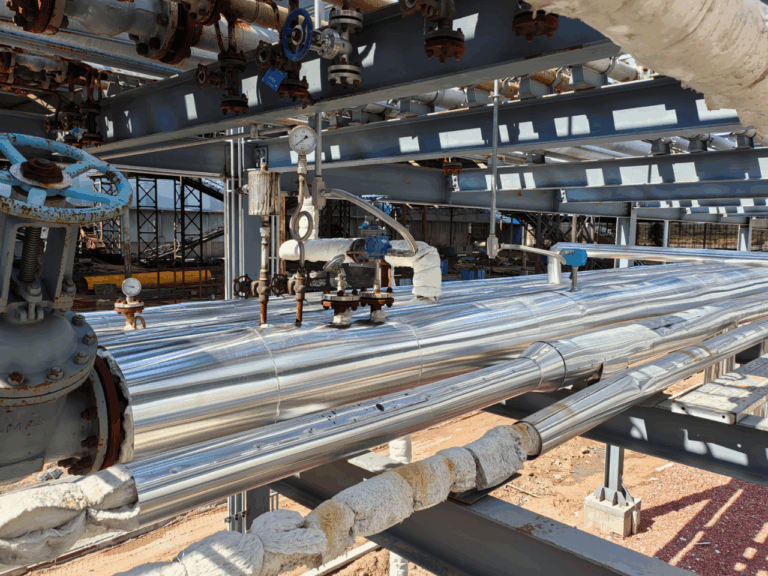
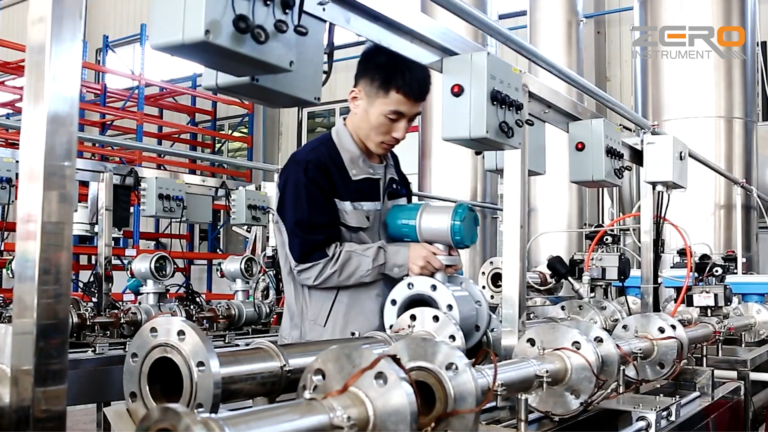
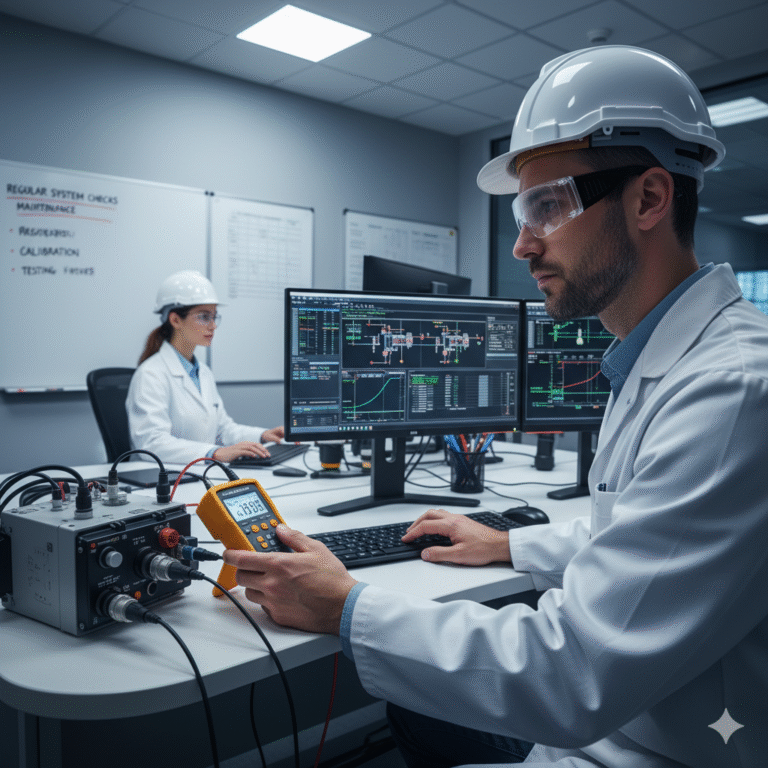
Why Do 70% of Instrument Problems Come from Process Conditions — Not the Instrument Itself? / Instrumentation Introduction: A Common Problem in Industrial ProjectsIn many industrial sites, engineers often encounter the same frustrating situation:The same instrument works perfectly in one project, but performs poorly in anotherAll specifications seem correct during selection, yet the measurement becomes unstable after installationEngineers suspect wiring, installation, or even product quality — but the issue remains unresolvedIn most cases, the real problem is not the instrument itself.👉 It’s the process conditions.An instrument is only as reliable as the environment it operates in. What Are Process Conditions (Operating Conditions)?Process conditions refer to the actual environment where the instrument operates, including:TemperaturePressureFlow characteristicsMedium properties (density, viscosity, dielectric constant)CorrosivenessHumidityVibrationElectromagnetic interferenceExplosion-proof requirementsThese factors combined define the real working conditions — which are often very different from “ideal” datasheet conditions.👉 And this is where most problems begin. Different Types of Process Conditions1. Normal vs. Extreme ConditionsNormal conditions: Within the design range → stable performanceExtreme conditions: High temperature, high pressure, corrosive media, overloadIn extreme conditions, instruments may still function initially, but:Accuracy decreasesDrift increasesLifetime shortens 2. Stable vs. Fluctuating ConditionsStable process → stable signalFluctuating process → unstable readingsFrequent start/stop operations, pulsating flow, or load changes can cause:Signal noiseMeasurement deviationControl system instability👉 The instrument is not failing — the process is changing. 3. Standard vs. Harsh Industrial EnvironmentsIn laboratories, instruments perform well.But in real plants:High humidityDustCorrosionStrong vibrationElectrical interferenceThese factors gradually degrade performance.👉 Problems often appear over time, not immediately. How Process Conditions Affect Instrument Performance1. Temperature EffectsHigh temperature → component aging & driftLow temperature → slow response, possible freezingApplications like boilers, steam systems, and cryogenic tanks require special protection. 2. Pressure & Load ImpactLong-term operation near pressure limits may cause:Zero driftSignal distortionReduced lifespanThis is very common in pressure and differential pressure transmitters. 3. Flow & Medium CharacteristicsMeasurement accuracy depends heavily on:Flow profile stabilityViscosityPresence of particlesCorrosionFor example:Low flow → poor sensitivityHigh viscosity → increased errorSlurry or dirty fluids → wear & instability👉 The same flow meter behaves very differently with water vs. slurry. 4. Environmental FactorsLong-term exposure leads to “hidden damage”:Humidity → electrical failureVibration → mechanical looseningEMI → signal fluctuations👉 These are gradual issues — difficult to detect early. Why Many “Instrument Problems” Are Actually Process ProblemsIn real projects, you’ll often see:The instrument works, but not reliablyData is available, but inconsistentMaintenance becomes more frequent over timeAnd yet:👉 The instrument itself passes all testsThe root cause is often:Steam, foam, or pulsating flowCorrosive mediaInstallation limitationsHarsh environment👉 In short: the instrument is mismatched with the process conditions Practical Selection Guide (Based on Process Conditions)To avoid these issues, selecting the right instrument based on process conditions is critical:Low flow / high accuracy required→ Coriolis mass flow meterHigh temperature / steam applications→ Vortex flow meter or DP flow meterCorrosive liquids (acid/alkali)→ Electromagnetic flow meter with PTFE/PFA liningHigh viscosity / slurry / dirty fluids→ Coriolis or positive displacement flow meterStrong vibration / EMI environments→ Remote (split-type) installation + proper shielding👉 Correct selection = fewer problems + longer lifespan Quick Checklist Before Selecting an InstrumentBefore choosing any instrument, always confirm:What is the medium? (water, oil, gas, slurry?)Is it corrosive?Temperature range?Pressure range?Is the flow stable or fluctuating?Any vibration or EMI?Installation limitations?👉 Missing even one of these can lead to long-term issues. ConclusionIn industrial applications:👉 Instruments rarely fail without reason👉 Most failures are caused by unmatched process conditionsThe same instrument can perform completely differently in different environments.Successful projects are not just about selecting a model —they are about fully understanding the process conditions. Need Help Selecting the Right Instrument?If you’re unsure whether your current instrument matches your process conditions:👉 Feel free to share your application details (medium, flow range, temperature, pressure, etc.)I can help you:Evaluate your current setupRecommend suitable modelsAvoid common selection mistakesA correct selection at the beginning can save significant time and cost later. Share This Story, Choose Your Platform! Contact Us Please prove you are human by selecting the key. Request a Quote