
Spherical tanks, especially those used to store crude oil, finished products, chemicals, and other media, require high precision, safety, and stability for level measurement. Servo level meters, due to their unique advantages, have become the mainstream choice. The key reasons are outlined below:
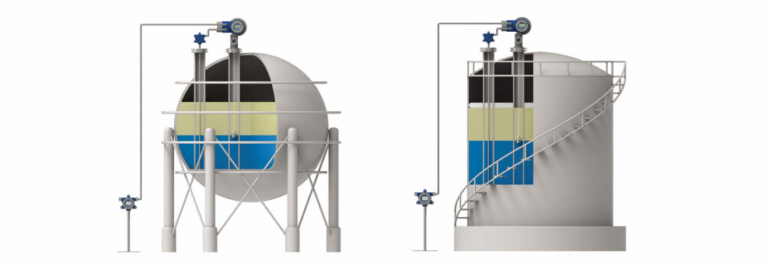
1. Adaptation of Servo Level Meter Measurement Principle to Spherical Tank Characteristics
Servo level meters operate based on the “force balance principle”:
- A sensor suspends a float (with a density slightly lower than the measured medium) via a steel cable, allowing the float to rest on the liquid surface.
- The servo motor adjusts the steel cable length in response to changes in buoyancy as the liquid level rises or falls, keeping the float at the liquid surface.
- The steel cable length is converted into a level signal through an encoder, directly indicating the actual liquid level.
This principle ensures that measurements are minimally affected by changes in medium density, temperature, and pressure. As spherical tanks often store media (like crude oil or liquefied gas) with fluctuating density due to temperature changes, servo level meters are particularly well-suited for such environments.
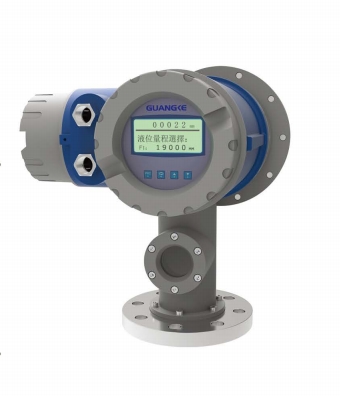
2. Core Requirements for Tank Level Measurement Met by Servo Level Meters
1. High Precision
Spherical tanks are commonly used for the storage and turnover of raw materials and products. Level measurement accuracy directly impacts trade settlements (e.g., in/out factory trades). Servo level meters offer accuracy up to ±0.5 mm (for a range of 0-30 meters), far exceeding other instruments like radar and ultrasonic meters (usually ±5-10 mm). This high accuracy ensures compliance with stringent trade measurement standards (such as API and OIML regulations).
2. Adaptability to Complex Operating Conditions
Spherical tanks typically have a height ranging from 5 to 30 meters, and lack straight pipe sections (due to their spherical shape). The steel cable of servo level meters can freely hang, unaffected by tank shape, unlike radar meters, which may suffer from signal interference due to tank wall reflections or the spherical top. Additionally, spherical tanks often store volatile, steamy, viscous, or slightly contaminated media (such as wax in crude oil or volatile fumes in chemicals). The float in servo level meters directly interacts with the liquid surface, unaffected by steam or vapor (which can degrade radar signals and cause ultrasonic interference). The float is made of wear-resistant, corrosion-resistant materials like 316L or Hastelloy, making it suitable for viscous or mildly corrosive media, and it is self-cleaning to prevent buildup.
3. Safety and Explosion-Proof Design
Since spherical tank areas are often hazardous (storing flammable or explosive substances like gases), servo level meters are designed with intrinsic safety (Ex ia) or explosion-proof (Ex d) features, meeting safety standards such as ATEX and IECEx. Their simple mechanical structure, low energy consumption, and minimal risk of sparking provide superior safety compared to radar meters, which require high-pressure emission signals.
4. Long-Term Stability and Low Maintenance
Level measurement in spherical tanks requires continuous operation with minimal human intervention. Servo level meters feature durable mechanical components (motor, steel cable, encoder) with a typical lifespan of over 10 years. They also offer self-diagnosis capabilities, such as alerts for cable breakage or float blockages. These meters require minimal calibration, typically only once a year, unlike differential pressure level meters, which often require frequent recalibration due to temperature and pressure variations.
5. Multi-Function Integration
Modern servo level meters can integrate temperature measurement (via built-in multi-point temperature sensors along the cable) and density measurement (based on float buoyancy variations). These meters can provide data on liquid level, average temperature, and medium density, allowing for real-time calculation of the tank’s medium mass (mass = volume × density). This eliminates the need for additional temperature and density instruments, fulfilling the integrated “level-temperature-density” monitoring requirements of spherical tanks.
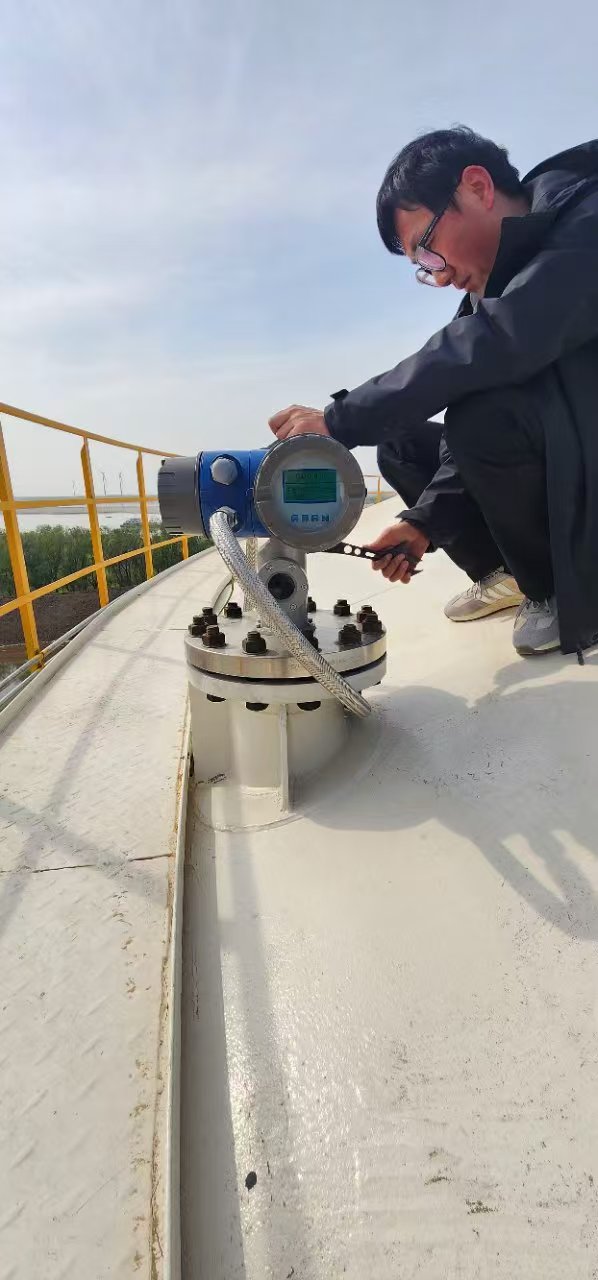
3. Key Advantages Over Other Level Meters
In summary, the preference for servo level meters in spherical tank applications lies in their “high precision, anti-interference ability, adaptability to complex media and tank shapes, and superior safety.” These characteristics perfectly align with the measurement requirements (trade-level accuracy), operational conditions (large tanks, complex media), and safety standards (explosion-proof, low-risk) of spherical tanks. Despite their higher initial cost, the long-term stability, low maintenance cost, and reliable measurements make servo level meters the optimal choice for spherical tank level measurement.