
Introduction
In industrial environments, a portable gas detector is not simply a device that can be turned on and carried into the workplace.
For operations involving confined spaces, chemical plants, wastewater treatment facilities, storage tanks, underground pipelines, and process equipment, proper use of a portable gas detector is critical for protecting workers from invisible hazards.
Toxic gases, combustible gases, and oxygen deficiency can occur suddenly. If the detector is incorrectly worn, improperly operated, or not regularly maintained, it may fail to provide an early warning when it is needed most.
This guide explains how to correctly use a portable gas detector, including:
- Proper wearing positions
- Pre-use inspection procedures
- Bump testing and calibration
- Environmental factors affecting accuracy
- Daily maintenance practices
- How to select the right gas detection equipment
1. Correct Wearing Position: Put the Detector Where It Can Detect Gas Effectively
The basic principle of gas detection is simple:
The sensor must be exposed to the same air environment that the worker is breathing.
A detector placed too far away from the breathing zone may delay detection and provide inaccurate information.
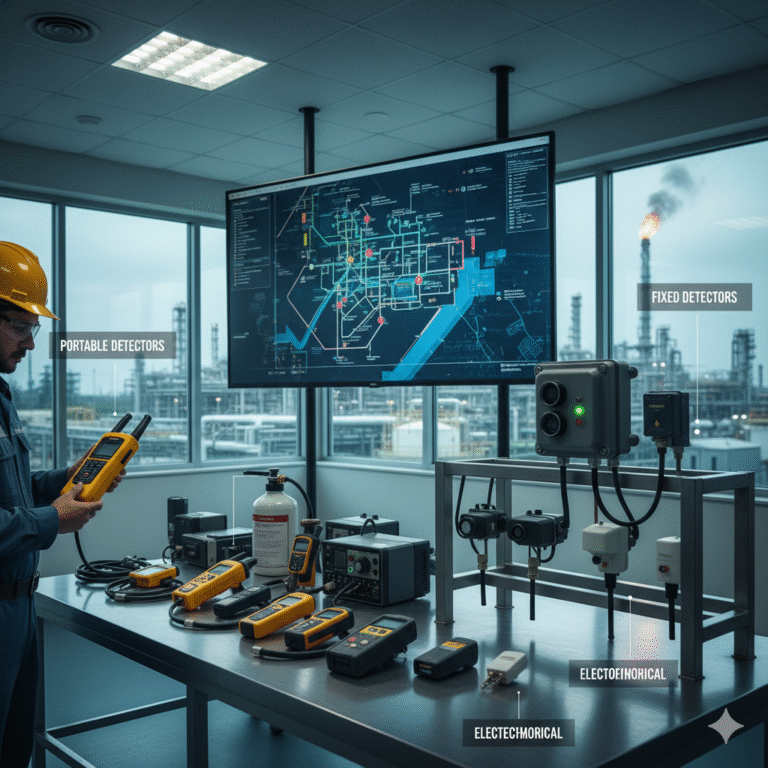
Recommended Wearing Positions
1. Collar or Shoulder Area (Recommended)
For most industrial applications, the best location is near the worker’s breathing zone, such as:
- Shirt collar
- Shoulder area
- Upper chest area
Advantages:
- Close to the breathing area
- Fast response to gas concentration changes
- Easy for workers to observe alarms
2. Chest Pocket Area (Acceptable in Some Applications)
A chest-mounted position may be acceptable if:
- The sensor inlet is not blocked
- The detector faces outward
- Clothing or tools do not cover the sensor
Incorrect Wearing Methods
Avoid the following practices:
❌ Keeping the detector inside a pocket
Reasons:
- Gas cannot reach the sensor effectively
- Detection response becomes slower
- The reading may not represent the actual breathing environment
❌ Attaching the detector behind the body
The detector may be:
- Blocked by clothing
- Far away from the breathing zone
- Unable to detect sudden gas exposure
❌ Placing the detector on the ground or inside a toolbox
The detector must monitor the worker’s surrounding atmosphere, not an isolated location.
2. Gas Density Determines Detection Strategy
Different gases behave differently depending on their density compared with air.
Understanding gas characteristics helps determine where and how to detect them.
| Gas | Relative Density | Typical Application |
|---|---|---|
| Hydrogen (H₂) | Lighter than air | Hydrogen systems, batteries |
| Methane (CH₄) | Slightly lighter than air | Natural gas, biogas |
| Carbon monoxide (CO) | Similar to air | Combustion areas |
| Hydrogen sulfide (H₂S) | Heavier than air | Sewage, oil & gas |
| LPG | Heavier than air | Fuel storage areas |
For confined space entry, professional practice usually requires atmospheric testing at multiple levels:
- Upper area
- Middle area
- Lower area
because gas concentration may not be uniform.
3. Pre-use Inspection: Always Check Before Entering the Workplace
A portable gas detector should be inspected before every use.
Step 1: Visual Inspection
Check:
- Housing condition
- Sensor opening
- Display screen
- Alarm window
- Battery condition
- Charging contacts
Any damaged component may affect measurement reliability.
Step 2: Power-On Self Test
After switching on, confirm:
- LCD display works properly
- Audible alarm functions
- Visual alarm operates
- Vibration alarm works
- Battery level is sufficient
Step 3: Perform a Bump Test
Many users confuse a bump test with calibration.
They are different procedures.
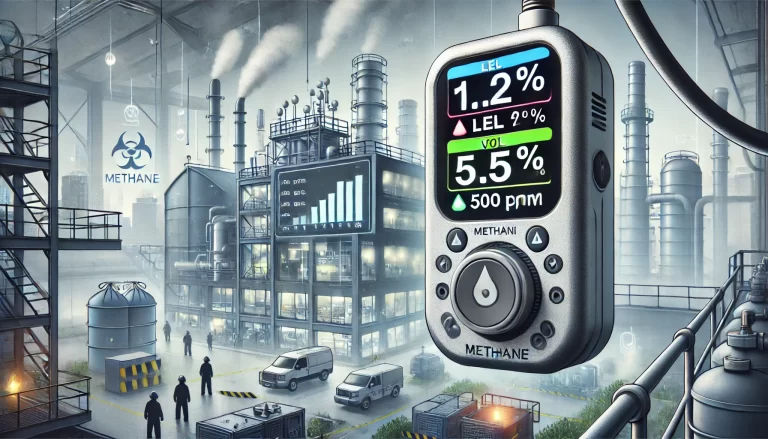
What is a Bump Test?
A bump test is a functional test that confirms:
- Sensors respond to gas
- Alarm functions operate correctly
- The detector can provide warnings
It does not adjust measurement accuracy.
What is Calibration?
Calibration adjusts the detector so that the displayed concentration matches the reference gas value.
Calibration compensates for:
- Sensor aging
- Long-term drift
- Environmental influences
4. Calibration: The Key to Maintaining Accuracy
Gas sensors are precision components. Over time, their performance changes due to:
- Sensor aging
- Frequent exposure to gas
- Temperature changes
- Humidity
- Contaminants
A detector may still power on normally while providing inaccurate readings.
Regular calibration ensures:
- Reliable measurement
- Correct alarm levels
- Worker protection
Recommended Calibration Frequency
The calibration interval depends on:
- Manufacturer recommendations
- Operating environment
- Usage frequency
- Exposure conditions
Typical practice:
- Normal environments: every 6–12 months
- High-risk applications: shorter intervals may be required
Always follow the equipment manufacturer’s instructions.
5. Environmental Factors Affecting Gas Detector Accuracy
Temperature Effects
Extreme temperatures may influence:
- Sensor sensitivity
- Battery performance
- Electronic stability
High or low temperatures can cause:
- Reading deviation
- Slow response
- False alarms
Humidity Effects
High humidity may cause:
- Moisture entering sensors
- Condensation problems
- Reduced sensor performance
For harsh environments, select detectors with suitable:
- IP protection rating
- Environmental compensation
- Industrial-grade sensors
6. Understanding Gas Sensor Technologies
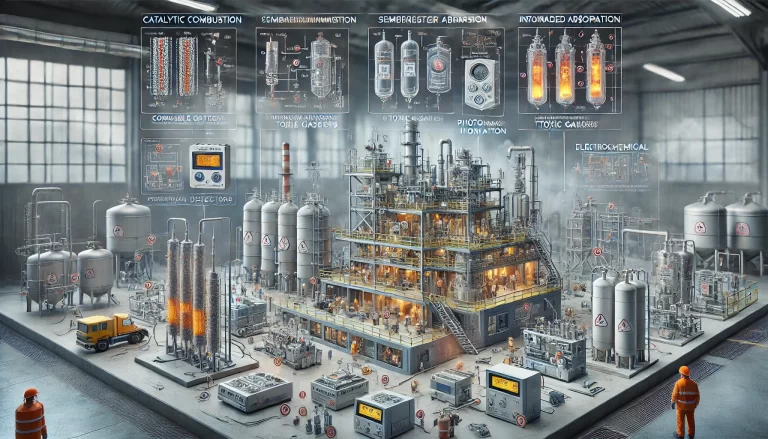
Different sensors are designed for different gases.
1. Catalytic Combustion Sensor
Commonly used for:
- Methane
- Hydrogen
- Combustible gases
Advantages:
- Fast response
- Reliable for LEL measurement
Limitations:
- Can be affected by silicone or sulfur compounds
- Requires oxygen to operate properly
2. Electrochemical Sensor
Used for:
- CO
- H₂S
- O₂
- Toxic gases
Advantages:
- High sensitivity
- Suitable for toxic gas monitoring
Limitations:
- Limited lifespan
- Sensitive to environmental conditions
3. Infrared (NDIR) Sensor
Used for:
- CO₂
- Hydrocarbon gases
Advantages:
- Long service life
- Resistant to sensor poisoning
7. Daily Maintenance Tips
To keep a portable gas detector reliable:
✔ Clean the detector surface regularly
✔ Keep the sensor opening unobstructed
✔ Charge the battery properly
✔ Store the instrument in a dry environment
✔ Perform scheduled bump tests
✔ Calibrate according to requirements
✔ Replace sensors when service life is exceeded
8. How to Choose the Right Portable Gas Detector
Before selecting a gas detector, consider:
1. Target Gas
Examples:
- Oxygen deficiency → O₂ sensor
- Explosion risk → LEL sensor
- Toxic gases → H₂S / CO sensors
2. Application Environment
Consider:
- Confined space
- Chemical processing
- Oil and gas facilities
- Wastewater treatment
- Manufacturing plants
3. Required Certifications
For hazardous areas, check:
- ATEX
- IECEx
- UL
- Explosion-proof certification
4. Protection Requirements
Important specifications include:
- IP rating
- Operating temperature range
- Battery life
- Alarm type
- Communication options
Conclusion
A portable gas detector is an important safety instrument, but its effectiveness depends on correct usage.
Proper wearing position, regular bump testing, calibration, and maintenance are essential to ensure reliable gas monitoring.
In industrial safety applications, a detector that is correctly maintained can provide the critical early warning needed to prevent toxic exposure, oxygen deficiency, and combustible gas accidents.
Safety depends not only on having a gas detector, but also on using it correctly.