
Selecting a pressure transmitter may seem straightforward, but choosing the right model for a specific application requires careful consideration of many factors. A pressure transmitter that performs perfectly in one process may experience measurement errors, shortened service life, or even failure in another due to differences in temperature, pressure, medium properties, or installation conditions.
Successful pressure measurement depends on three key factors:
- The intrinsic performance of the transmitter
- Proper selection based on actual process conditions
- Correct installation and maintenance practices
The first factor involves selecting a transmitter with suitable specifications rather than simply pursuing the highest performance or the lowest price. The second factor requires a thorough understanding of the process and close communication with experienced instrumentation specialists. The third factor, often overlooked, depends on proper installation, regular inspection, and disciplined maintenance procedures.
Ultimately, pressure transmitter selection should always be based on the specific characteristics of the application and a clear understanding of the available technologies.
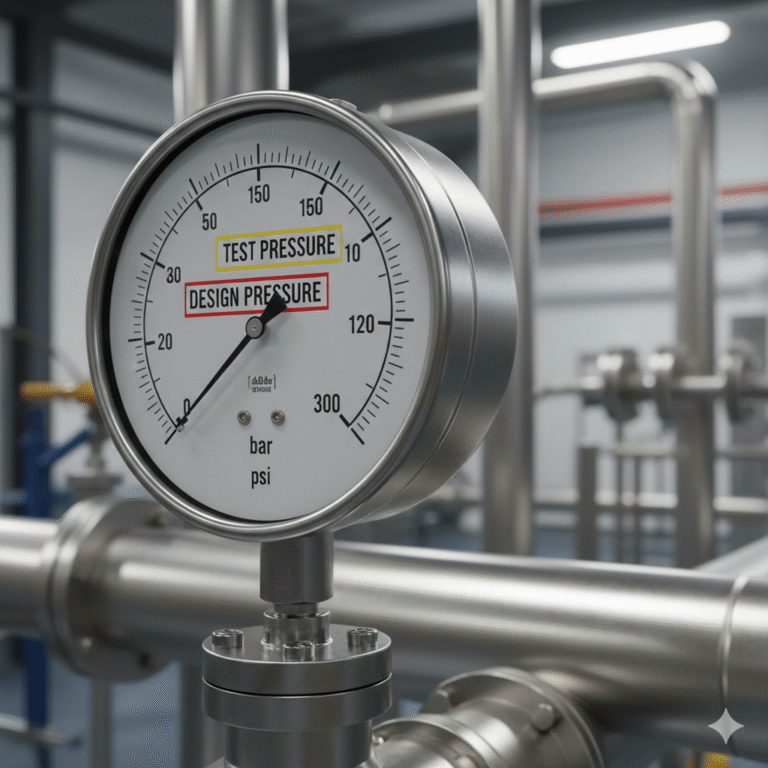
What Should Be Considered When Selecting a Pressure Transmitter?
Different process environments require different selection criteria. Key factors include:
- Operating pressure range
- Process temperature
- Medium characteristics (corrosive, abrasive, viscous, crystallizing, etc.)
- Accuracy requirements
- Process connection type
- Installation location
- Vibration conditions
- Environmental temperature
- Hazardous area certifications
- Maintenance accessibility
A proper evaluation of these factors helps ensure long-term measurement reliability and reduces maintenance costs.
Pressure Transmitter Solutions for High-Temperature Applications
High-temperature applications are among the most challenging conditions for pressure measurement. When selecting a pressure transmitter for elevated temperatures, it is important to distinguish between high ambient temperature and high process temperature, as each requires a different solution.
1. High Ambient Temperature
When the surrounding environment is hot, the primary concern is the temperature tolerance of the transmitter’s electronic components.
Possible solutions include:
- Relocating the pressure tapping point to a cooler area
- Installing heat shields or thermal barriers
- Using a remote-mounted transmitter with separated electronics
- Providing additional ventilation or cooling where possible
These measures help protect the electronics from excessive heat and improve long-term reliability.

2. High Process Temperature
When the process medium itself is at a high temperature, direct exposure can damage the sensing diaphragm and affect measurement accuracy. Several solutions are commonly used.
Method 1: Extended Pressure Connection
For high-temperature gases, extending the pressure impulse line allows heat to dissipate before reaching the transmitter.
Advantages:
- Simple and economical
- Suitable for many gas applications
- Minimal maintenance requirements
Typical applications include hot air systems, exhaust gas monitoring, and industrial furnaces.
Method 2: Isolation Through Fill Fluid
In some applications, an isolation fluid is placed between the process medium and the sensing diaphragm. This fluid acts as a thermal barrier while also protecting the diaphragm from corrosive or aggressive media.
Advantages:
- Provides both temperature reduction and corrosion protection
- Suitable for many petrochemical and chemical processes
- Improves transmitter durability
This solution is often used for high-temperature liquid measurements in refining and chemical production facilities.
Method 3: Remote Diaphragm Seal System
A remote diaphragm seal is one of the most widely used solutions for high-temperature pressure measurement.
In this configuration, the process pressure is transmitted through a capillary system filled with a specially selected fill fluid, such as:
- High-temperature silicone oil
- Inert synthetic fluids
- Specialized metallic fill systems for extreme temperatures
Advantages:
- Excellent protection against high temperatures
- Suitable for corrosive, viscous, or difficult media
- Allows installation away from hot process areas
However, special attention must be paid to temperature-induced measurement errors and compensation requirements, particularly in applications involving high temperatures combined with low-pressure or vacuum conditions.

Typical Temperature Selection Guide
| Process Temperature | Recommended Solution |
|---|---|
| Up to 120°C | Standard pressure transmitter |
| 120°C – 200°C | Cooling element or extended neck |
| 200°C – 350°C | Remote diaphragm seal |
| Above 350°C | Specialized high-temperature remote seal system |
The actual selection should always be verified according to the process conditions, pressure range, installation arrangement, and manufacturer specifications.

Conclusion
There is no universal pressure transmitter suitable for every application.
The best solution depends on the operating conditions, process medium, temperature, pressure range, installation environment, and maintenance requirements. A proper selection process not only improves measurement accuracy and reliability but also significantly extends the service life of the transmitter while reducing long-term operating costs.
By understanding the process conditions and selecting the most appropriate technology, users can achieve stable and reliable pressure measurement even in the most demanding industrial environments.