
The Hidden Reason Experienced Engineers Always Know
If you have ever walked through an industrial plant, you may have noticed that many pressure gauges are not connected directly to the pipeline.
Instead, there is often a curved metal tube installed between the gauge and the process connection — usually in a U-shape, pigtail, or loop form.
At first glance, it may seem unnecessary, or even affect the appearance of the installation.
However, in many industrial applications, this small “bend” is actually an essential component for ensuring measurement accuracy, instrument safety, and long service life.
Today, let’s explain why experienced engineers almost always install it.
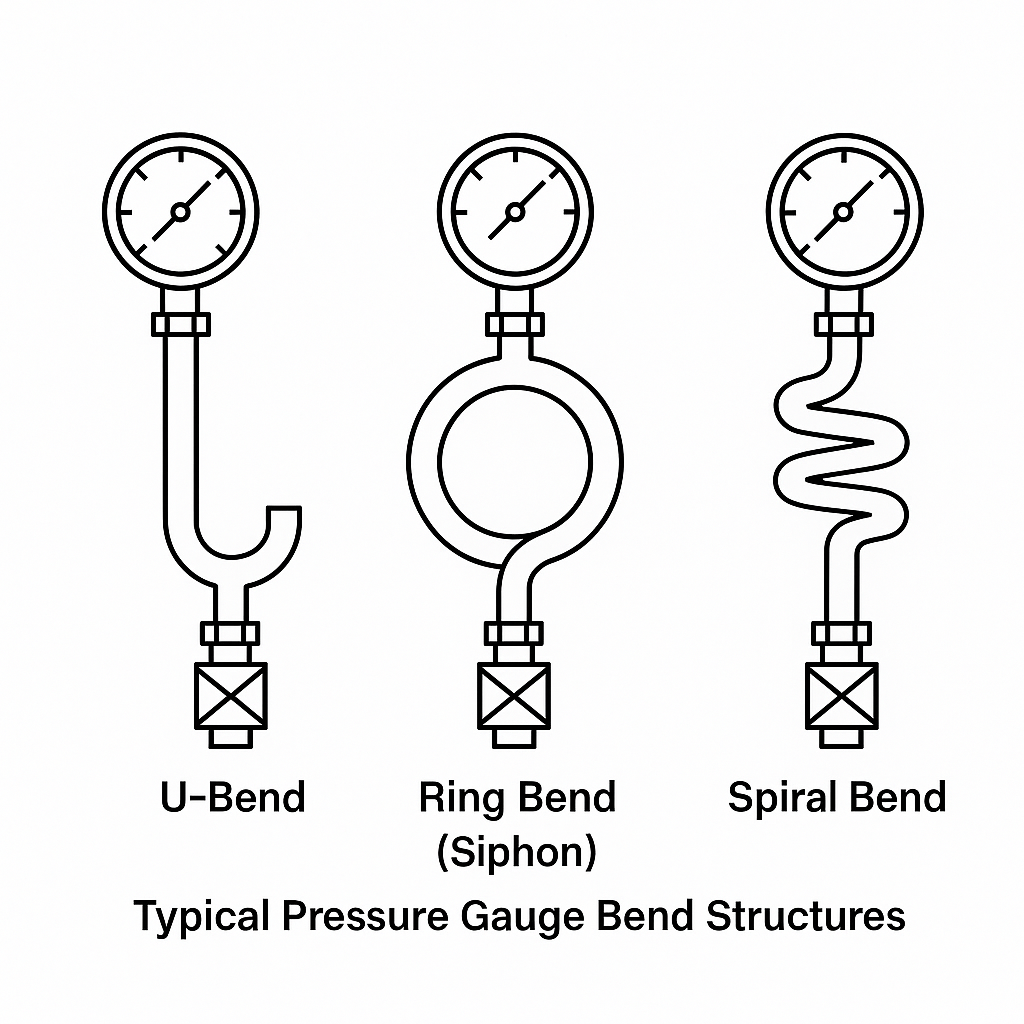
What Is This “Bend” Called?
In industrial instrumentation, this curved pipe is commonly called a pressure gauge siphon tube, also known as:
- siphon loop
- pigtail siphon
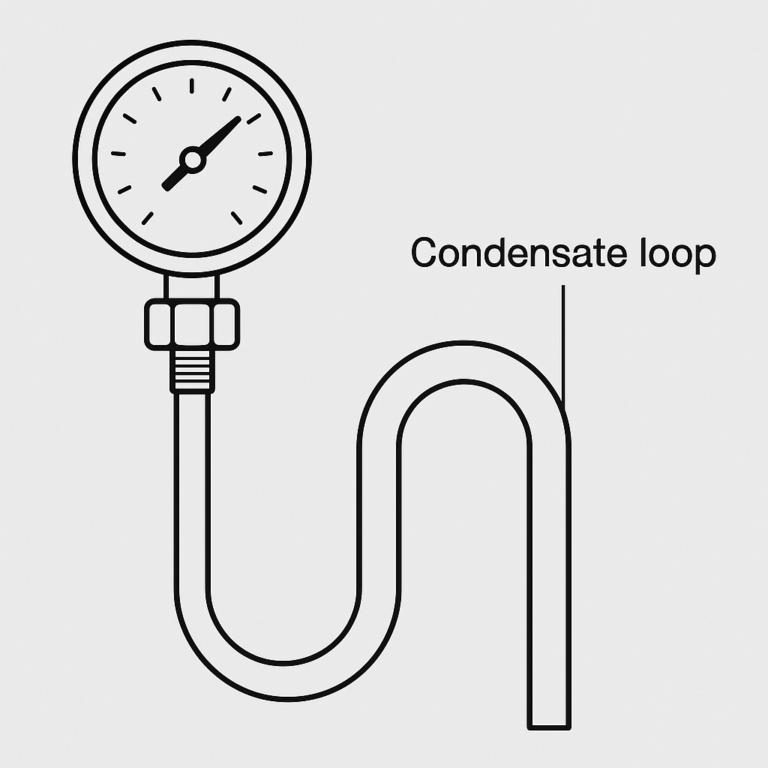
- condensate loop
- cooling bend
It is widely used in steam and high-temperature gas pressure measurement systems.
The siphon tube is usually made of:
- stainless steel
- brass
- copper alloy
and is installed between the pressure gauge and the process pipeline.
Its purpose is far more important than simply “connecting” the gauge.
1. Thermal Protection – Preventing High Temperature Damage
This is the most important reason.
When measuring steam or high-temperature gases, direct connection can expose the pressure gauge to excessive heat.
Most standard mechanical pressure gauges cannot withstand continuous high-temperature steam entering the Bourdon tube directly.
This may lead to:
- pointer drift
- seal aging
- loss of calibration
- permanent deformation of the sensing element
- complete gauge failure
The siphon tube helps solve this problem.
As hot steam enters the curved section, part of it naturally cools down and condenses into water.
This creates a stable condensate seal inside the loop, which acts as a thermal barrier.
The pressure is then transmitted through this liquid column instead of direct hot steam contact.
As a result, the gauge remains protected while still measuring pressure accurately.
2. Absorbing Pressure Shock and Pulsation
In many industrial systems, pressure is not always stable.
For example:
- pumps starting and stopping
- valves opening and closing suddenly
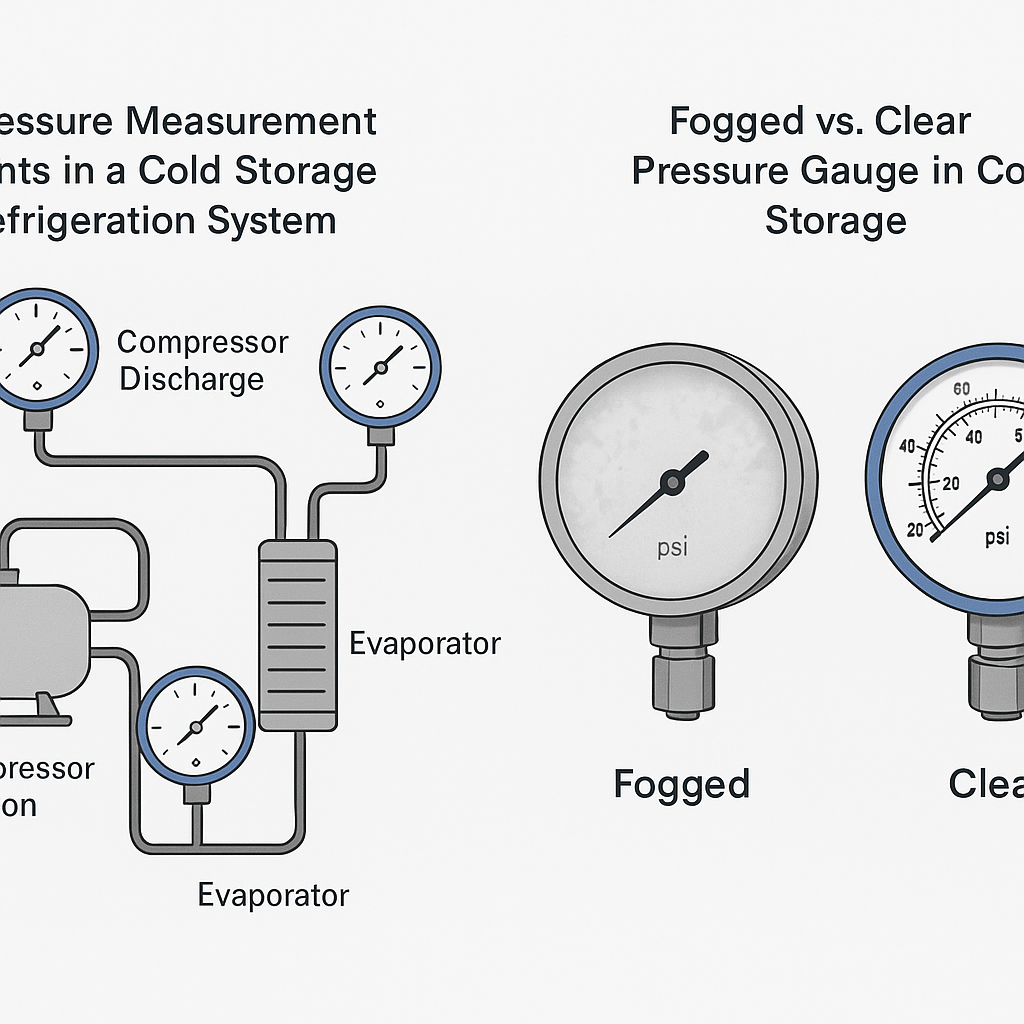
- compressor discharge lines
- pulsating process flow
These conditions can create sudden pressure surges.
Without a siphon loop, the gauge may experience:
- violent pointer vibration
- unstable readings
- repeated mechanical shock
- shortened service life
The curved tube provides a certain buffering effect, similar to a shock absorber.
It helps reduce the impact of sudden pressure spikes and protects the internal Bourdon tube.
3. Improving Measurement Stability
In steam applications, trapped air bubbles or unstable condensate inside the impulse line can cause inaccurate readings.
Typical issues include:
- fluctuating pointer movement
- unstable pressure display
- large measurement deviation
A properly installed siphon tube helps maintain a stable liquid seal and improves signal transmission stability.
This leads to more reliable and repeatable readings.
4. Reducing Mechanical Stress During Installation
In real industrial sites, installation space is often limited.
Sometimes the gauge cannot be mounted in a perfectly aligned position.
Direct rigid connection may cause:
- excessive tightening stress
- mechanical misalignment
- vibration transfer from pipeline
- long-term structural fatigue
The siphon loop acts as a flexible mechanical buffer.
It helps absorb installation stress and pipe vibration, protecting the gauge structure.
When Should a Siphon Tube Be Used?
A siphon tube is strongly recommended in the following applications:
- steam pressure measurement
- high-temperature gas systems
- process temperatures above 60–80°C
- compressor outlets
- pump discharge lines
- pulsating pressure conditions
For steam service, it is generally considered a standard installation practice.
Final Thoughts
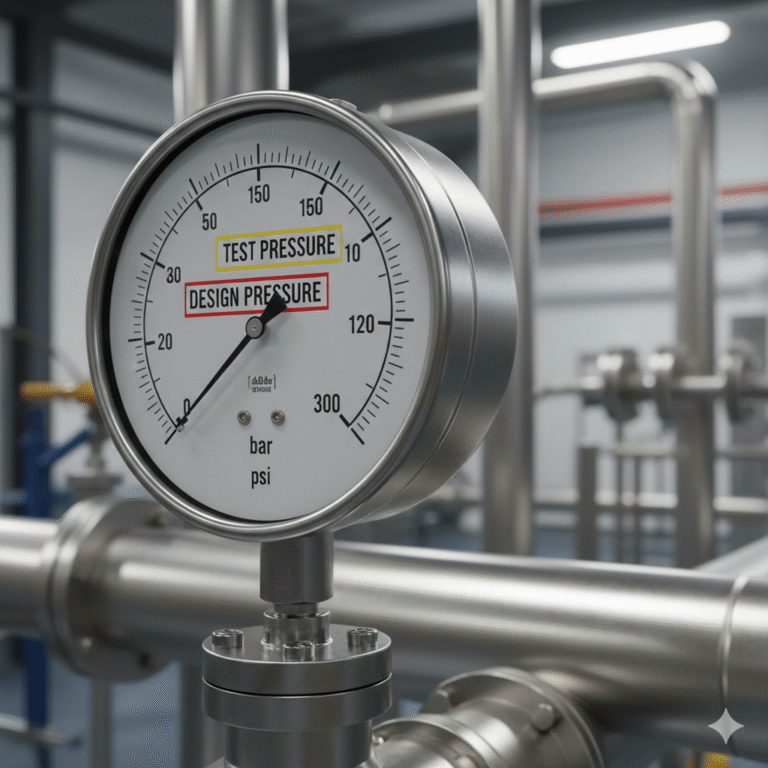
That small “bend” in front of a pressure gauge may look simple, but it plays a critical role in industrial measurement systems.
Its main functions include:
- thermal isolation
- pressure shock absorption
- reading stabilization
- mechanical stress relief
In many cases, it is the key factor that determines whether the pressure gauge can operate reliably for years.
As experienced engineers often say:
A good gauge installation is not only about the gauge itself, but also the accessories around it.