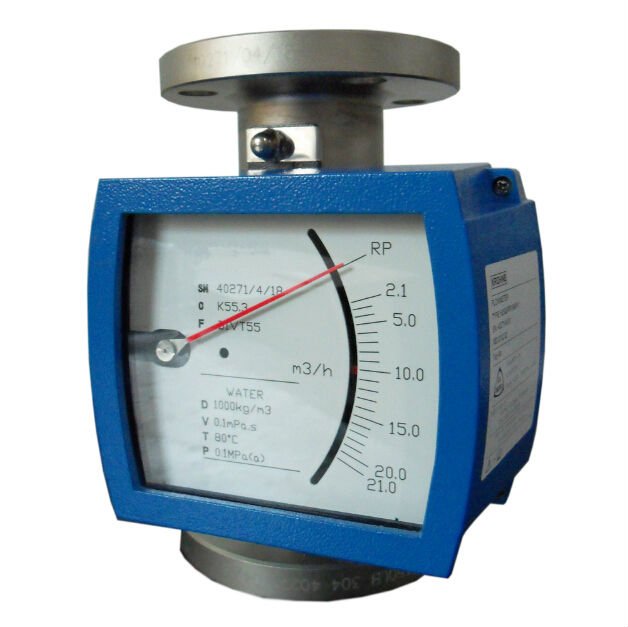
Flow Meter Still Shows Flow After Shutdown? Here’s How to Diagnose It in Minutes / Instrumentation When a plant is shut down but the flow meter still indicates flow, many engineers immediately suspect a faulty instrument.In reality, the issue almost always falls into two categories:✅ Real flow (process-related issue)⚠️ False flow (instrument-related issue)Understanding the difference is the key to solving the problem quickly. 1. Real Flow (Process Issue)Before blaming the instrument, always verify whether the flow is actually real.Common CausesIncomplete shutdown of the systemBackflow caused by liquid level differences (tanks, columns)Internal leakage in valves or pumpsLeakage of utilities (steam, nitrogen, instrument air)Flushing, tracing, or sealing gas still in operationRecommended ActionsEnsure all process valves are fully closedInstall blind plates if necessaryShut down purge gas, tracing systems, and nitrogen blanketingCheck upstream/downstream pressure and level differences👉 If any of the above exists, the flow reading is likely real. 2. False Flow (Instrument Issue)If the process is confirmed stable, then the issue is likely related to the flow meter itself.Below is a practical troubleshooting guide by flow meter type: (1) Differential Pressure Flowmeters(Orifice Plate, Venturi, Wedge, etc.)Possible CausesManifold leakage or improper valve positionBlocked or liquid-filled impulse linesZero drift of transmitterSolutionsClose high/low pressure valves → open equalizing valve → re-zeroInspect and clean impulse linesCheck for leakage in manifold and fittings (2) Electromagnetic FlowmetersPossible CausesPipe not completely fullAir bubbles or stratificationPoor grounding or electrical interferenceElectrode contaminationSolutionsEnsure full pipe condition and vent airImprove grounding and shieldingClean electrodes if necessary (3) Vortex FlowmetersPossible CausesExcessive pipe vibrationPulsating flow or entrained airSensitivity set too highSolutionsAdjust sensitivity or apply filteringEliminate vibration and air pocketsIncrease low-flow cutoff threshold (4) Coriolis Mass FlowmetersPossible CausesZero point not calibratedPipe stress or improper installationTwo-phase flow (gas + liquid)SolutionsPerform zero calibration under full pipe conditionCheck piping support and stressEliminate air or gas entrainment (5) Variable Area Flowmeters (Rotameters)Possible CausesFloat sticking or foulingDirty guide rodsGas lifting the floatSolutionsClean float and internal componentsRemove air bubbles Quick Field Troubleshooting StepsIf you need a fast on-site check, follow this sequence:Check the process first→ Are valves fully closed? Any leakage, purge gas, or backflow?Isolate the flow meter section→ Close upstream and downstream valves completelyPerform zero check / calibrationDP: Equalize and re-zeroOthers: Apply zero adjustment or cutoffCheck for external factors→ Leakage, vibration, air bubbles, grounding issuesStill showing flow?→ It is very likely real flow → install blind plate if required Key Takeaway👉 Always check process first, then instrumentation.If the process is not fully isolated → the flow is realIf the process is stable → focus on instrument calibration and installation Why This MattersMisjudging this issue can lead to:Unnecessary instrument replacementProduction delaysHidden process safety risksA systematic approach can save both time and cost. Share This Story, Choose Your Platform! Contact Us Please prove you are human by selecting the flag. Request a Quote