
Radar level transmitters are widely used in oil & gas, chemical, power, pharmaceutical, food, and water treatment industries due to their non-contact measurement capability, high accuracy, and excellent reliability.
However, during long-term operation, radar level meters may experience measurement failures caused by installation conditions, process changes, signal interference, or equipment aging.
This article explains 10 common radar level transmitter problems, their possible causes, and practical troubleshooting methods based on real industrial applications.
1. Radar Level Transmitter Shows No Signal or Fixed Zero Reading
Symptoms
The radar level transmitter suddenly displays 0 level, an incorrect fixed value, or loses the measurement signal completely, while manual measurement shows that the tank level is normal.
Possible Causes
- Loose connection between probe and process connection
- Damaged guided wave cable or probe
- Poor installation alignment
- Weak or missing echo signal
For guided wave radar level transmitters, mechanical damage or loose connections may interrupt the signal transmission path and cause unstable measurement.
Troubleshooting Solutions
- Check the mechanical connection between probe and sensor
- Inspect the probe or cable condition
- Review the echo curve through the transmitter diagnostic software
- Confirm that the actual liquid surface is within the measuring range
- Perform sensor recalibration if required
Preventive Measures
- Regularly inspect mechanical connections
- Ensure correct installation according to manufacturer recommendations
- Avoid excessive mechanical stress on probes and cables
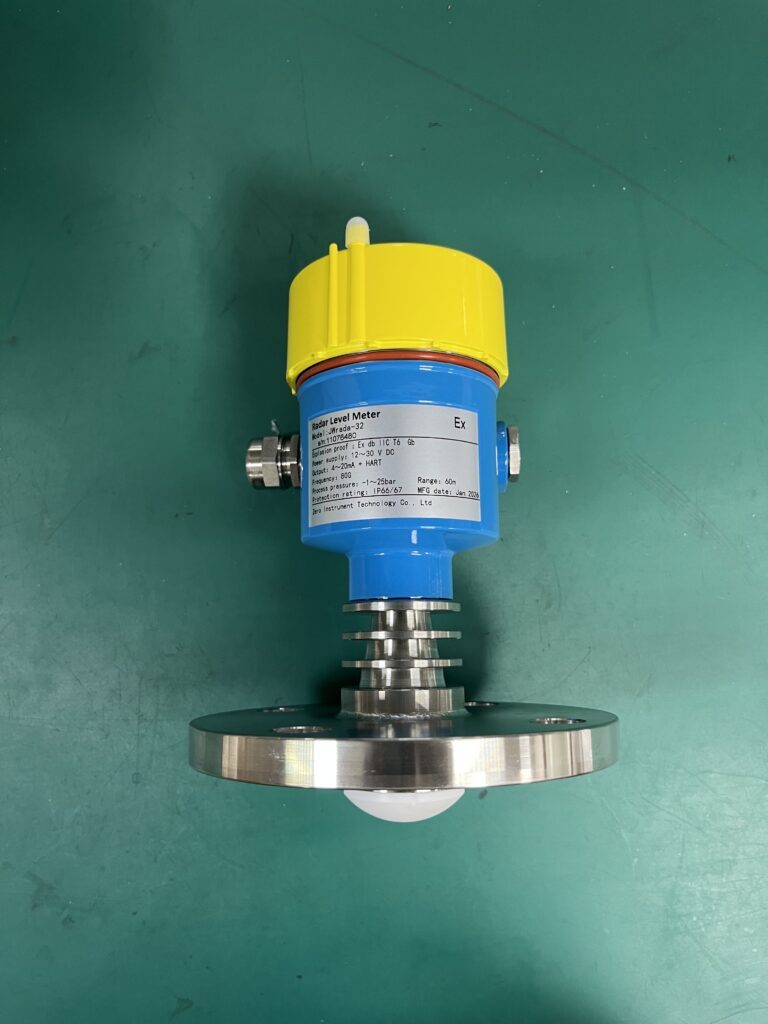
2. Radar Level Measurement Becomes Unstable Due to High Viscosity Media
Symptoms
The radar level transmitter output remains unchanged for a long time or responds slowly, while the actual liquid level changes significantly.
Typical applications:
- Asphalt tanks
- Heavy oil storage tanks
- Resin tanks
- High viscosity chemical storage
Possible Causes
High viscosity materials may stick to the probe or antenna surface, causing:
- Signal attenuation
- False reflections
- Reduced echo quality
Troubleshooting Solutions
- Inspect the probe and antenna condition
- Remove material buildup from the measuring element
- Use suitable probe designs for sticky media
- Consider non-contact radar solutions for severe buildup applications
Preventive Measures
Select the correct antenna type and installation method according to the process medium.
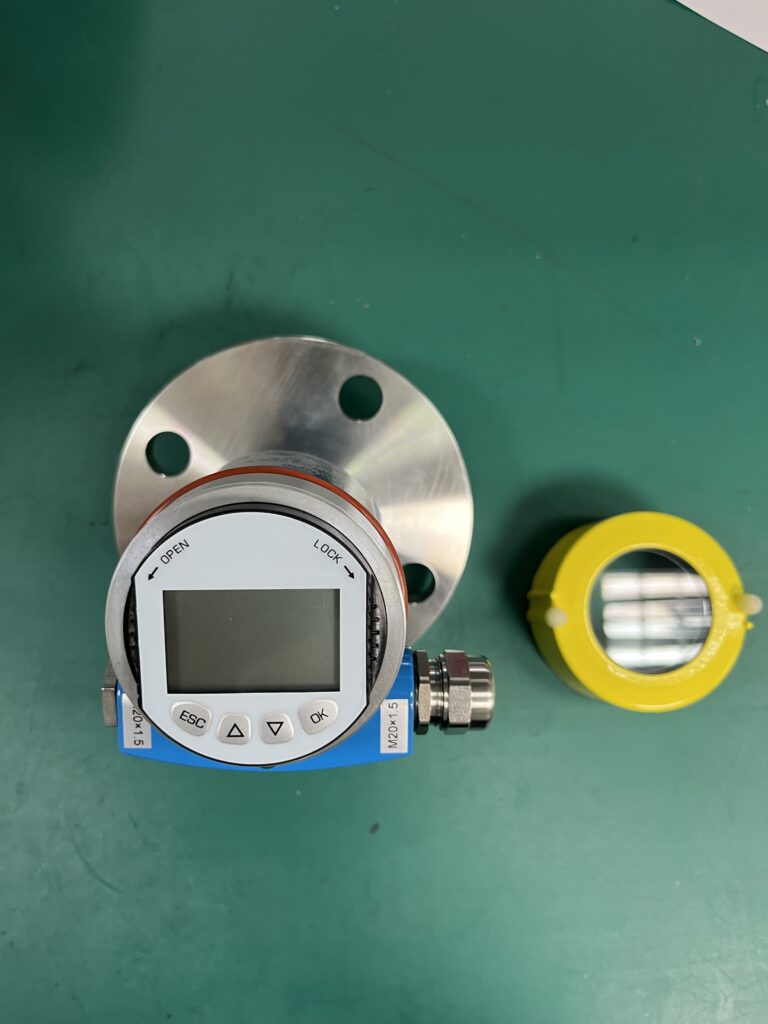
3. Radar Level Reading Fluctuates in Agitated Tanks
Symptoms
The displayed level continuously changes, for example:
Actual level: 2.5 m
Displayed level: 2.2–2.8 m
Common applications:
- Mixing tanks
- Reactors
- Food processing vessels
Possible Causes
- Strong surface turbulence
- Foam generation
- Mixer interference
- Insufficient damping time
The unstable liquid surface creates changing reflection conditions, causing measurement fluctuations.
Troubleshooting Solutions
- Increase damping time in transmitter settings
- Optimize antenna installation position
- Install a stilling well or bypass pipe if possible
- Avoid installing the sensor directly above agitators
4. False Measurement Caused by Electromagnetic Interference
Symptoms
The radar level transmitter output jumps randomly even though the actual level remains stable.
Possible Causes
- Signal cable installed close to power cables
- Variable frequency drive (VFD) interference
- Poor grounding
- Improper cable shielding
Troubleshooting Solutions
- Use shielded signal cables
- Separate instrument cables from power cables
- Improve grounding quality
- Check electromagnetic interference sources around the transmitter
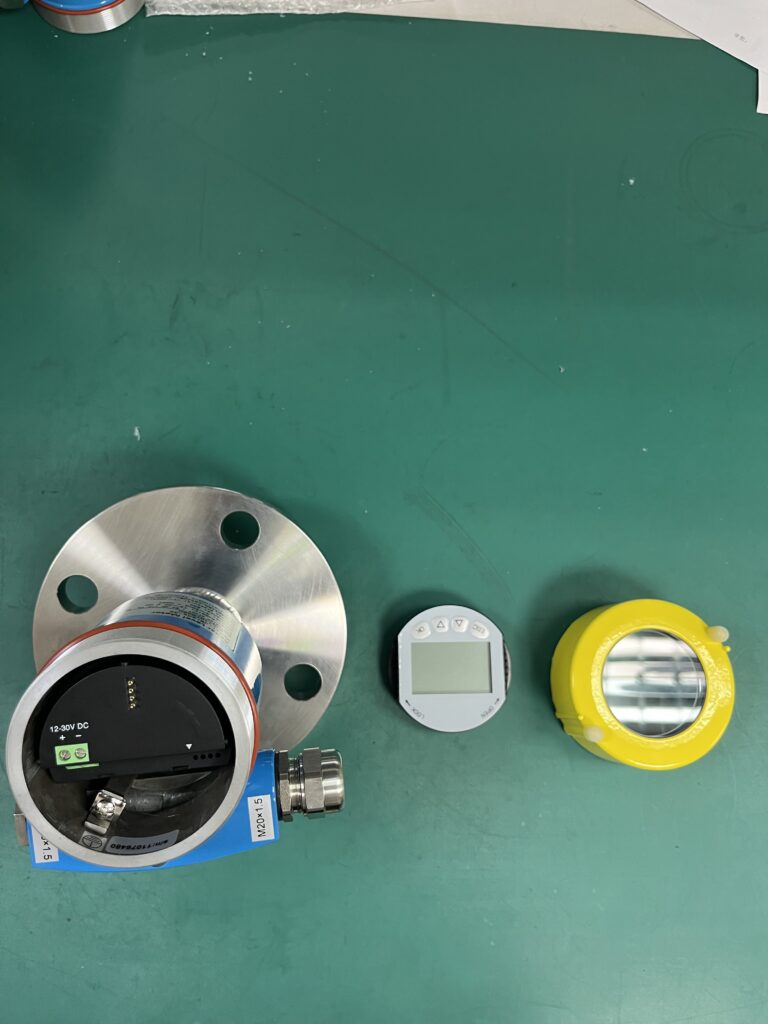
5. Measurement Error Caused by Process Temperature Changes
Symptoms
The displayed level gradually deviates from the actual value when process temperature changes significantly.
Example:
A storage tank measurement becomes inaccurate after temperature increases.
Possible Causes
Temperature changes may affect:
- Medium dielectric constant
- Vapor conditions
- Echo signal strength
Low dielectric constant liquids such as hydrocarbons are more sensitive to these changes.
Troubleshooting Solutions
- Verify correct medium parameters
- Recheck calibration settings
- Use temperature compensation when required
- Confirm that the selected radar technology matches the application
6. False Echo Caused by Incorrect Installation Position
Symptoms
The radar level transmitter displays a higher or lower level than the actual tank level.
Possible Causes
Common installation problems:
- Sensor installed too close to tank wall
- Internal structures creating reflections
- Heating coils or ladders inside the tank
- Incorrect nozzle position
These obstacles may generate false echoes stronger than the actual liquid reflection.
Troubleshooting Solutions
- Check the echo curve
- Activate false echo suppression function
- Optimize installation location
- Keep sufficient distance from tank walls and internal obstacles
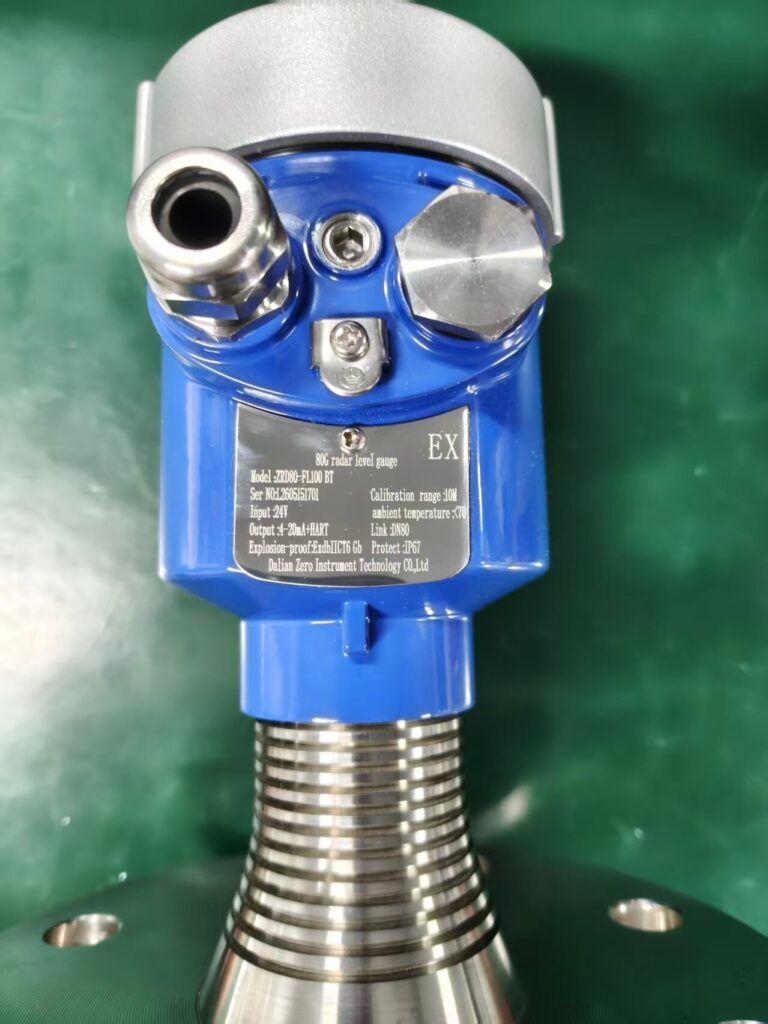
7. Antenna Corrosion Causes Signal Weakening
Symptoms
Measurement becomes unstable, and the echo signal gradually decreases.
Possible Causes
Aggressive media may damage:
- PTFE antenna coating
- Stainless steel components
- Sealing materials
Typical applications:
- Acid tanks
- Chemical storage tanks
Troubleshooting Solutions
- Inspect antenna condition
- Replace damaged antennas
- Select corrosion-resistant materials
- Use suitable protective coatings
8. Radar Level Transmitter Power Supply or Electronics Failure
Symptoms
The display disappears, communication fails, or the transmitter stops working.
Possible Causes
- Unstable power supply
- Electrical surge
- Aging electronic components
- High ambient temperature
Troubleshooting Solutions
Check:
- Power supply voltage
- Wiring connections
- Terminal condition
- Internal electronic module status
Preventive measures:
- Install surge protection
- Maintain proper ambient temperature
- Perform periodic inspection
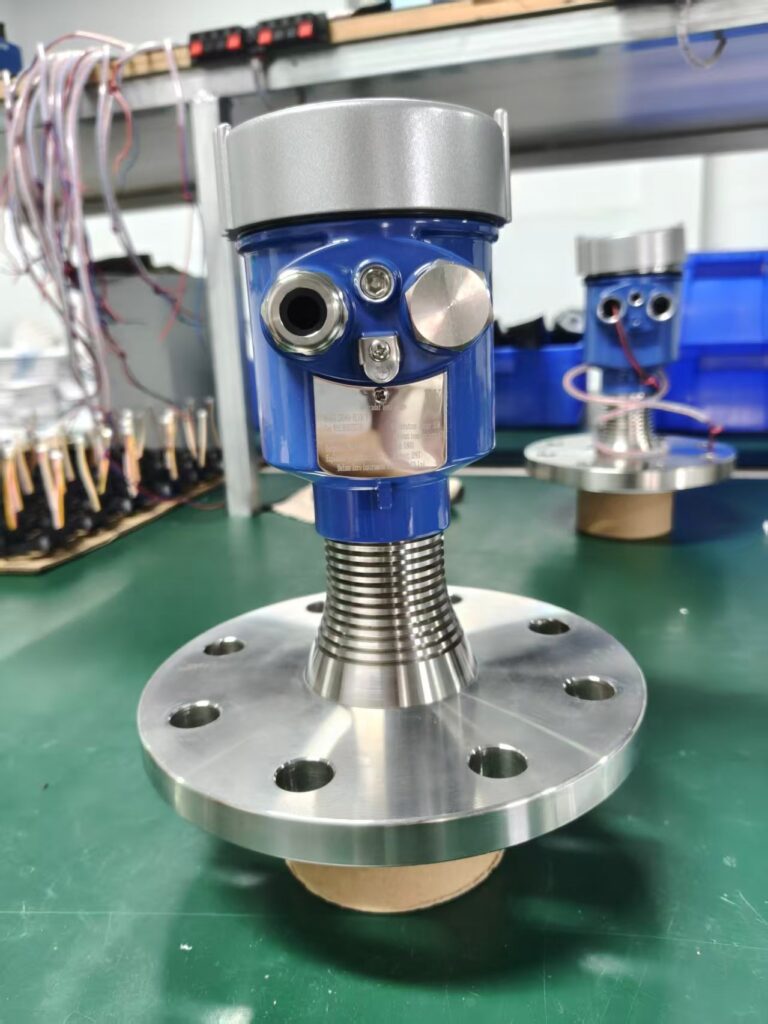
9. Radar Signal Problems in Steam or Vapor Conditions
Symptoms
The measured level fluctuates significantly in applications with heavy vapor or steam.
Typical applications:
- Distillation towers
- Steam tanks
- High temperature processes
Possible Causes
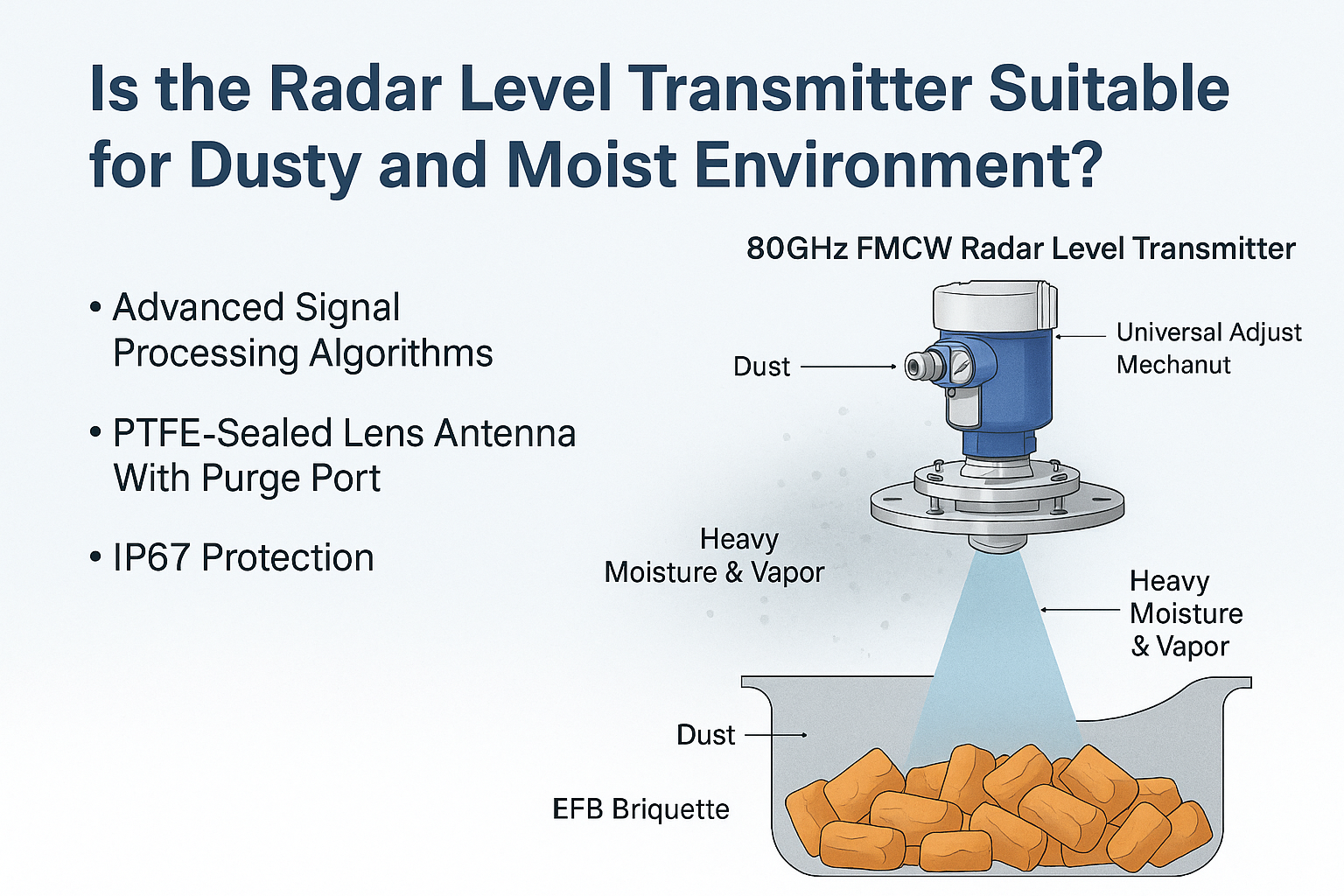
Steam condensation and vapor turbulence may weaken radar signal reflection.
Troubleshooting Solutions
- Select a suitable radar frequency
- Use 80 GHz radar technology for demanding applications
- Install stilling pipes or bypass chambers when necessary
- Avoid direct measurement through heavy condensation areas
10. Low Temperature Causes Antenna Blocking
Symptoms
The radar level transmitter shows full scale, zero level, or loses measurement during winter operation.
Possible Causes
Cold environments may cause:
- Condensation
- Ice formation
- Material crystallization on antenna surface
The buildup layer can interfere with radar signal transmission.
Troubleshooting Solutions
- Install heating or insulation systems
- Use heated antennas for extreme environments
- Select suitable installation methods for outdoor tanks
Additional Common Problems Often Overlooked
Incorrect Parameter Configuration
Many radar level measurement failures are caused by incorrect settings:
- Tank height
- Measuring range
- Empty calibration
- Blocking distance
- Medium selection
Always verify configuration before replacing hardware.
Power Supply Problems
Check:
- 24 VDC supply stability
- Cable voltage drop
- Wiring polarity
- Grounding condition
A poor power supply can cause unstable 4–20 mA output or communication failure.
Radar Level Transmitter Preventive Maintenance Recommendations
Daily Inspection
- Check display status
- Check abnormal alarms
- Observe measurement stability
Monthly Inspection
- Check power supply voltage
- Inspect cable condition
- Review diagnostic information
Annual Maintenance
- Verify measurement accuracy
- Check sealing condition
- Inspect antenna/probe condition
Final Conclusion
Radar level transmitters are highly reliable measurement instruments, but their performance depends strongly on:
- Correct instrument selection
- Proper installation
- Suitable parameter configuration
- Regular preventive maintenance
Most radar level measurement problems can be solved by analyzing the echo curve, installation condition, process characteristics, and transmitter configuration before replacing the instrument.
A systematic troubleshooting approach can significantly reduce downtime, improve measurement reliability, and extend the service life of radar level measurement systems.