
Negative pressure in pipelines refers to the condition where the pressure inside the pipeline is lower than atmospheric pressure. This is a common yet often underestimated issue in engineering. In real-world operations, negative pressure can lead to a range of serious consequences, including:
Pipe collapse or deformation
Equipment damage due to excessive suction
Infiltration of air or toxic gases into the system
Increased leakage risks and accelerated fatigue failure
Understanding the causes of negative pressure in pipelines and taking appropriate preventive measures is crucial for the safe design and operation of pipeline systems.
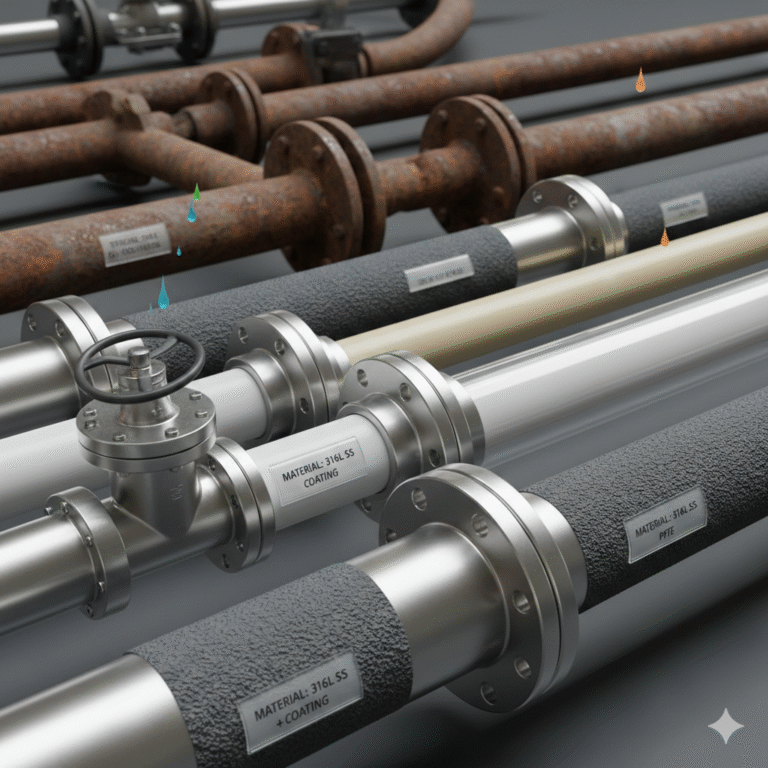
Causes of Negative Pressure in Different Pipeline Systems
1. Liquid Transport Pipelines
Liquid transport pipelines are used in water supply, drainage, and chemical processing systems. Common causes of negative pressure include:
Excessive Pump Suction:
Oversized Pump or High Head: If the pump’s specification is too large or the operating speed is too high, its suction ability may exceed the upstream system’s liquid supply, creating negative pressure at the pump inlet.
Inlet Blockage or Valve Restrictions: If there are blockages on the suction side (such as clogged filters or insufficient valve opening), the flow of liquid entering the pump is restricted. The pump continues to draw liquid, which causes rapid pressure drop and even vacuum conditions.
Column Separation (Transient Vacuum and Water Hammer):
When a pump suddenly shuts down, the inertia of the liquid may cause it to continue flowing, forming a low-pressure zone. If the pressure drops below the liquid’s vapor pressure, cavitation occurs, resulting in steam cavities that collapse when the fluid flows backward. This phenomenon, known as water hammer, can lead to:
Pipe rupture
Flange leaks
Valve and instrument damage
Air Locking and Venting:
High Point Drainage: When draining or emptying a high point in a pipeline, if the air valve is clogged or too small to allow air intake, negative pressure can form at the high point.
Siphon Breakage: In a siphon system, if the inlet is exposed to air, siphoning action may be disrupted, causing localized negative pressure.
Thermal Shrinkage of Liquids:
In high-temperature liquid transport systems (such as hot water or heat transfer oils), if the system is isolated without proper expansion or vacuum release devices, cooling can cause the liquid to contract. Without supplemental air or liquid, internal pressure decreases significantly, leading to negative pressure and potential pipe collapse.
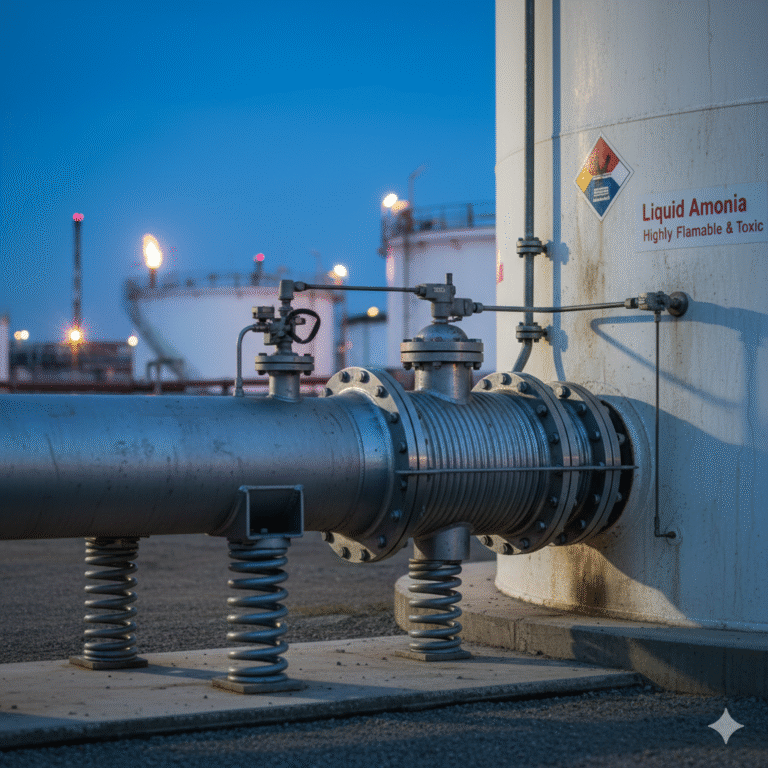
2. Gas Transport Pipelines
Gas transport pipelines include ventilation systems, HVAC systems, and pneumatic conveying systems. Common causes of negative pressure in these systems include:
Fan-Induced Suction:
When a fan operates, it creates negative pressure at the inlet to draw in air. If the fan’s capacity exceeds the system’s intake capacity, it may lead to:
Filter or louver blockage
Pipeline collapse or deformation
Excessive system resistance
System Resistance Imbalance:
Excessive Exhaust Relative to Supply: In a closed space, if the exhaust flow exceeds the supply flow, the entire space and its connected pipeline will experience negative pressure. This may be intentionally designed in certain applications (e.g., laboratories), but improper control can lead to excessive negative pressure.
Heat Effects in Gas Pipelines:
For high-temperature gases (such as flue gases), the temperature decreases during long-distance transportation, causing the gas to shrink. If the system is closed and no air is replenished, internal pressure drops, resulting in negative pressure.
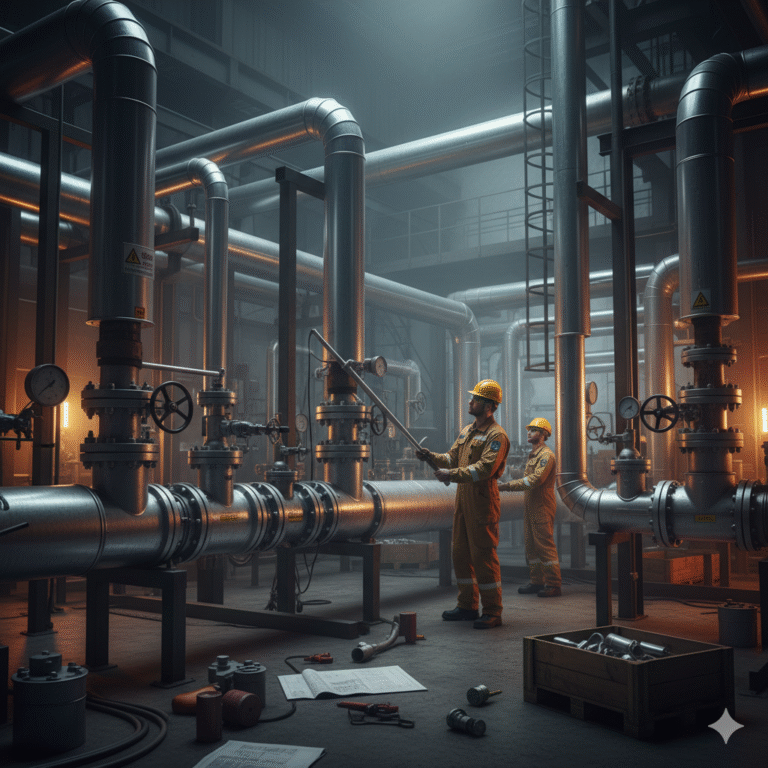
3. Common Causes for All Pipeline Systems
Elevation Changes and High Points:
When a pipeline passes through high points, the fast-moving fluid downstream can create a “drag” effect, resulting in negative pressure at the high points. Air or vacuum breaker valves should be installed at high points to prevent this.
Blockages or Over-Restriction:
Any form of blockage, such as:
Debris blockage
Sediment buildup
Freezing
Valve misclosure
Will create pressure drop along the flow direction, which could generate negative pressure upstream of the restriction point.
Design Defects:
Insufficient Venting and Vacuum Protection: Air release and vacuum breaker valves act as the “breathing system” for pipelines. Incorrect selection, improper installation, or poor maintenance can prevent timely air intake during transient conditions, leading to negative pressure.
Incorrect Pipe Sizing: A pipe diameter that is too small may result in an increased flow rate, which, according to Bernoulli’s principle, lowers static pressure and increases the risk of negative pressure formation.
Operational Errors:
Common operational causes include:
Incorrect valve operation sequence
Sudden pump start/stop
Rapid system startup without proper filling or venting
These operations can lead to significant transient pressure fluctuations and cause sudden negative pressure.
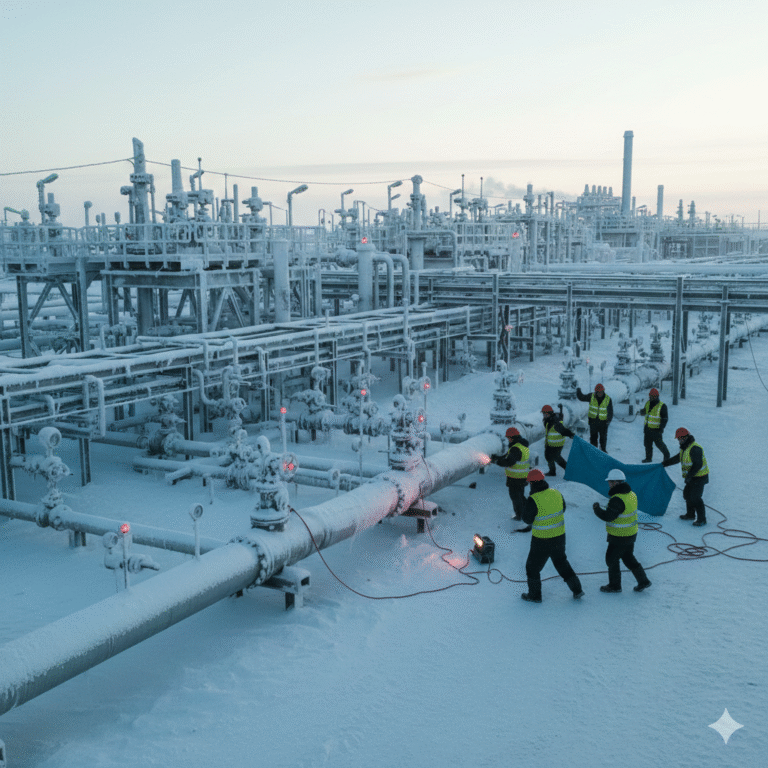
Core Principles and Prevention Strategies
The fundamental cause of negative pressure in pipelines is simple: the volume of fluid being drawn out or extracted exceeds the volume entering or replenishing the system.
To prevent negative pressure, focus on the following during design and operation:
Proper Equipment Selection:
Match pump and fan capacities with system characteristics.
Ensure System “Breathing Capacity”:
Properly install and maintain air valves and vacuum breaker valves.
Control Transient Processes:
Use soft start/stop mechanisms, variable frequency drives, and water hammer prevention devices.
Keep the Pipeline Clear:
Regularly inspect and clean pipelines to avoid blockages.