
1. Reasons for Regular Calibration of Instrument Equipment
Ensuring Measurement Accuracy
Instruments in operation for extended periods may experience errors due to environmental factors, wear, or drift. Calibration helps correct these deviations, ensuring reliable data.Mitigating Safety Risks
For example, an inaccurate pressure transmitter may cause equipment to operate under excessive pressure or leak. Calibration is essential in preventing production or operational accidents caused by such errors.Compliance with Regulatory Requirements
Calibration is a mandatory component of quality systems (such as ISO) and ensures compliance with laws like the Measurement Law and industry standards.Extending Equipment Lifespan
Regular calibration can detect instrument failures (e.g., sensor aging) early, preventing small issues from escalating into major equipment damage.
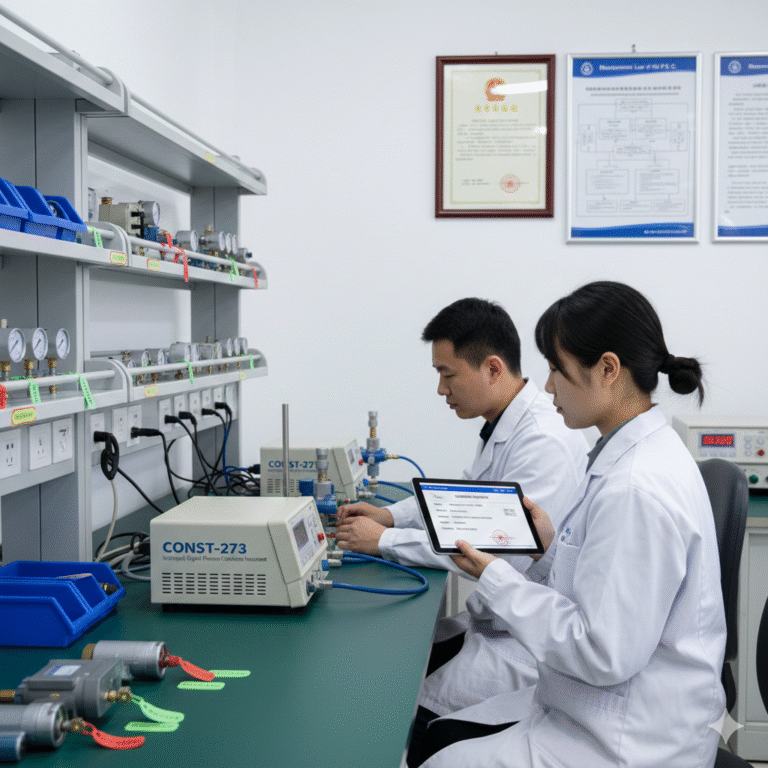
2. Qualifications Required for Personnel and Equipment
1. Personnel Qualifications
Personnel must hold a registered metrologist certificate (or the former Measurement Examiner Certificate, as per current metrology management requirements).
Personnel should undergo training and assessments relevant to the calibration project, ensuring familiarity with the calibration procedures and operation of the specific instruments.
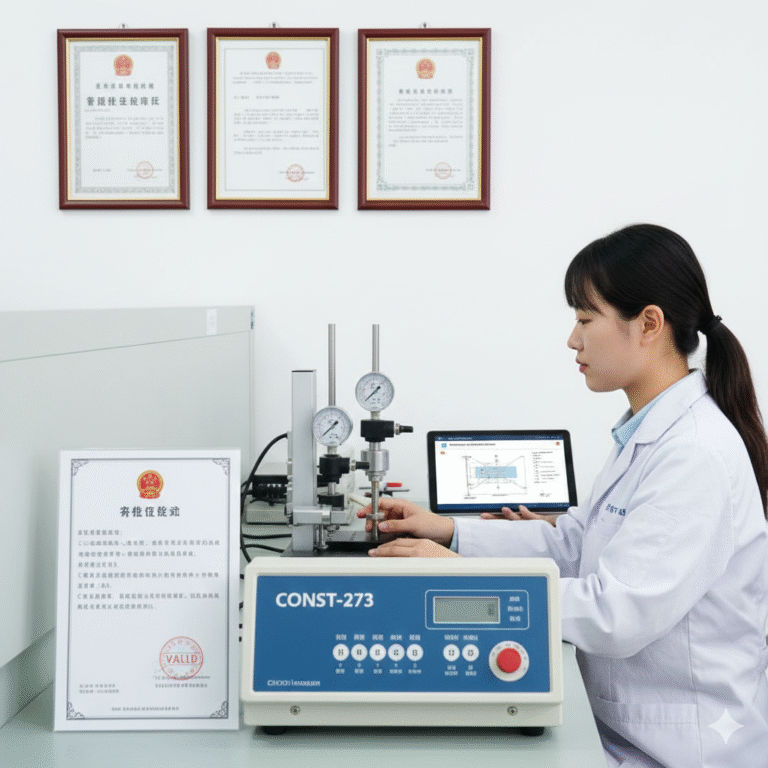
2. Equipment Qualifications
Standard instruments used (such as the CONST-273 Intelligent Digital Pressure Calibration Instrument) must have valid metrology calibration certificates (within their validity period).
The precision level of standard instruments must meet the requirement: standard instrument precision ≥ 3 to 10 times the precision of the instrument being calibrated (as per metrology traceability requirements).
3. Relevant Standards
Basic Laws
Measurement Law of the People’s Republic of China
Implementation Rules for the Measurement Law of the People’s Republic of China
Professional Procedures
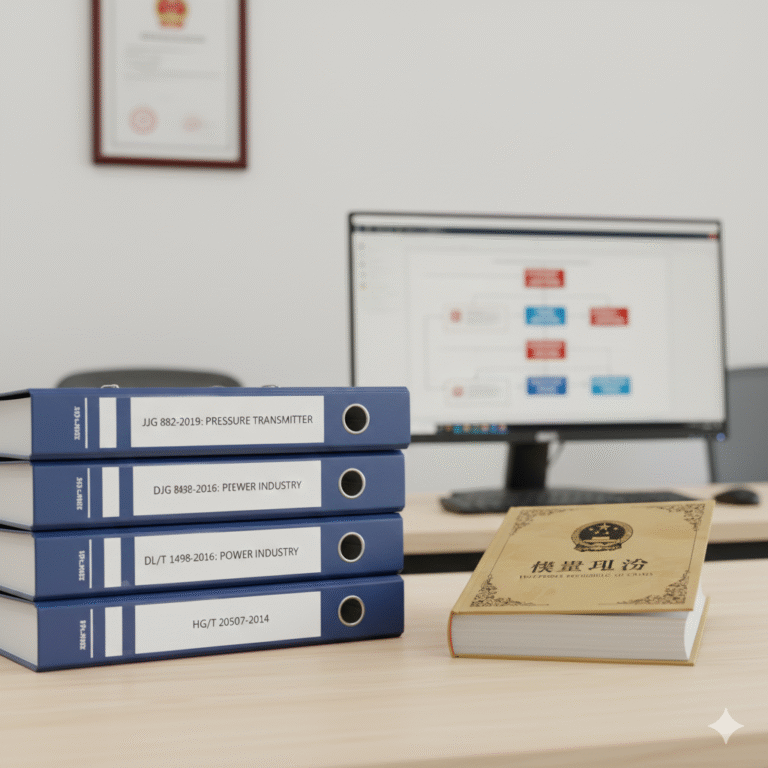
JJG 882-2019: Calibration Procedures for Pressure Transmitters
Other instruments follow their specific procedures (e.g., JJG 875-2019: Calibration Procedures for Temperature Transmitters).
Industry Standards
For the power industry: DL/T 1498-2016: Calibration Standard for Pressure Transmitters in Power Industry
For the chemical industry: HG/T 20507-2014: Selection and Design Standard for Automation Instruments.
4. Inspection Personnel and Agencies
1. Government Regulatory Agencies and Personnel
Market Supervision and Administration Bureau (including affiliated metrology technical agencies)
Inspectors: Metrology enforcement officers, metrology technical auditors
Focus: Ensuring that enterprise measuring instruments undergo required calibration and that certificates are valid, and checking whether the enterprise’s metrology management system complies with the Measurement Law and related standards.
Industry Regulatory Agencies
Based on enterprise type:
Emergency Management Bureau (for hazardous chemicals, mining, etc.): Check the calibration of safety-related instruments (e.g., pressure or temperature transmitters) to prevent accidents caused by instrument inaccuracies.
Ecological and Environmental Bureau: Inspect calibration of environmental monitoring instruments (e.g., pollutant concentration detectors) to ensure accurate environmental data.
Ministry of Industry and Information Technology: Verify calibration management for production-related instruments to ensure the reliability of measurements impacting product quality.
2. External Professional/Relevant Agencies
Metrology Standard Assessment and Supervision Agencies (affiliated with the Market Supervision Bureau):
Inspect the maintenance of “metrology standard assessment certificates” for internal calibration laboratories and validate the compliance of standard instruments’ calibration.
CNAS (China National Accreditation Service for Conformity Assessment):
Conduct accreditation and supervision of third-party metrology agencies providing calibration services to enterprises, indirectly verifying the compliance of enterprise instrument calibration services.
Customer’s Audit Personnel
During supplier qualification audits, inspect the enterprise’s instrument calibration records to ensure the credibility of product quality measurement data.
3. Internal Departments and Personnel
Metrology Managers (Quality Department):
Check the progress of instrument calibration plans, ensuring the completeness and filing of calibration records.
Equipment Management Personnel:
Ensure proper labeling of calibration status for production instruments to avoid the use of uncalibrated instruments.
EHS (Environmental, Health, and Safety) Department Personnel:
Inspect calibration of safety and environmental instruments to ensure compliance with environmental, health, and safety standards.
Internal Auditors
During ISO 9001 or other system audits, review the management processes related to instrument calibration to ensure compliance.