
Vortex flow meters are widely used for measuring steam, gas, and liquid flow in industrial applications due to their simple structure, good stability, and low maintenance requirements. However, during operation, users may occasionally encounter situations where the flow meter shows a minimum reading or no output signal at all.
This problem can be caused by several factors, including amplifier failure, sensor damage, or incorrect instrument selection. The following field cases explain the typical causes and solutions.
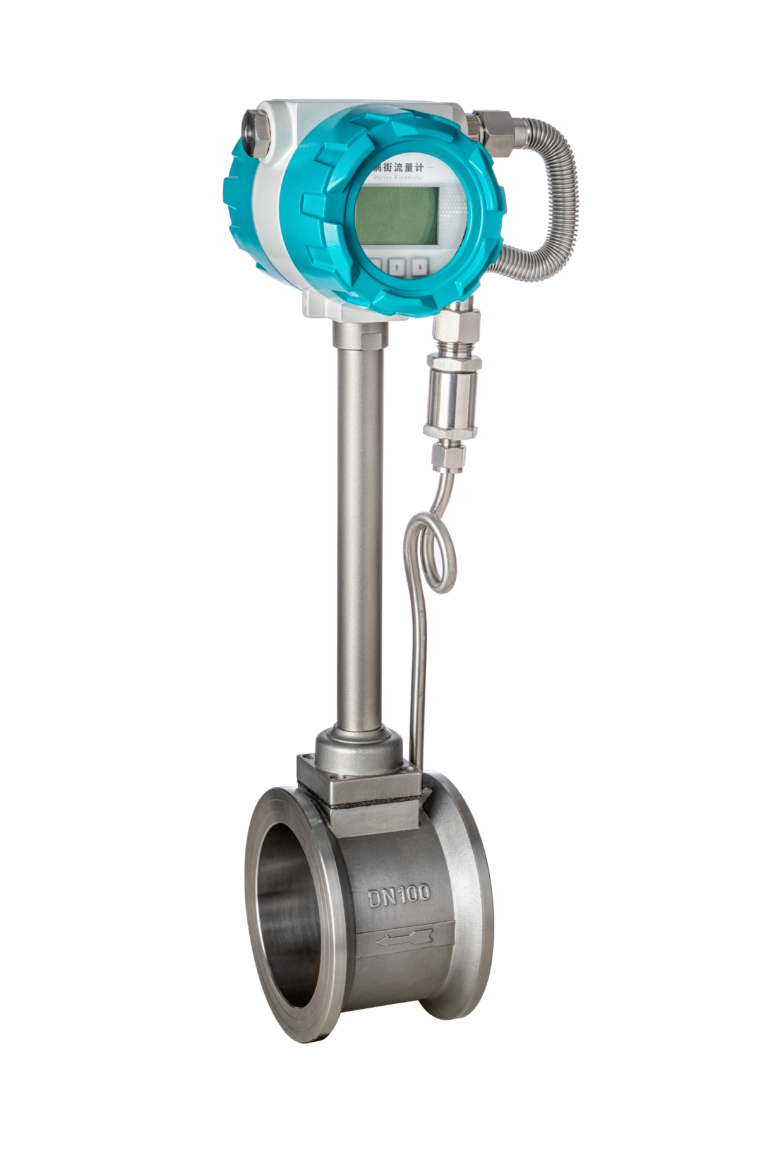
1. Case 1: No Current Output from the Vortex Flow Meter
Problem Description
A vortex flow meter suddenly stopped providing 4–20 mA current output, although the power supply was normal.
Inspection
The power supply was checked and found to be functioning properly. A loop test was then performed using a BT200 handheld communicator.
In parameter J10, the output was forced to different values:
0% of range
50% of range
80% of range
However, no current output was detected in the loop. Based on this result, it was determined that the signal amplifier board was faulty.
Solution
The amplifier board was replaced, and the instrument parameters were reconfigured. After reconfiguration, the vortex flow meter returned to normal operation.
Maintenance Summary
When replacing the amplifier board, it is important to reconfigure all instrument parameters, including:
K-factor
Pipe diameter
Measuring range
In this case, due to urgent production requirements, the instrument was returned to service without recalibration. However, if conditions allow, it is recommended to send the meter to a metrology laboratory for calibration to ensure measurement accuracy.
For quick field checks, technicians may observe the signal response using a display instrument. By lightly touching the amplifier input lead with a finger, a small induced signal may be generated. If the amplifier responds, it usually indicates that the amplifier is functioning; otherwise, replacing the amplifier board with a known working unit can help confirm the fault.
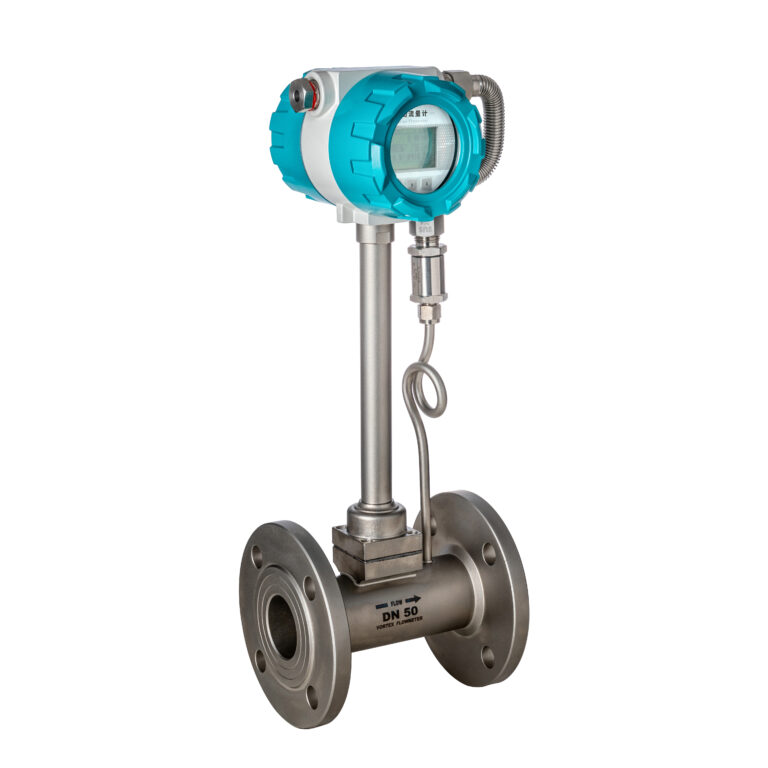
2. Case 2: No Flow Display in a Superheated Steam Application
Problem Description
A vortex flow meter installed in a superheated steam pipeline showed no flow display, even though steam flow was present.
The instrument had only been in service for about one month.
Inspection
The converter amplifier showed no signal output. On-site inspection was carried out by tapping the pipeline near the sensor to create mechanical vibration, but the amplifier still did not produce any signal.
During a shutdown, the sensor was removed for inspection. It was found that:
The ceramic sealing part of the sensing element had cracked
One of the sensor leads had become detached
This indicated that the sensor element had been damaged.
After investigation by the manufacturer, it was confirmed that the failure was caused by incorrect instrument selection.
Solution
The standard vortex flow meter was replaced with a high-temperature model designed for steam service.
After replacement, the flow meter operated normally.
Maintenance Summary
Vortex flow meters are generally available in two types:
Standard type
Maximum operating temperature: ≤ 250°C
High-temperature type
Maximum operating temperature: ≤ 350°C
In this case, the process temperature of the superheated steam was approximately 300°C, which exceeded the allowable temperature range of the standard model. Prolonged exposure to high temperature caused damage to the sensing element.
A simple way to distinguish between the two types in the field is by observing the length of the connecting rod between the converter and the sensor:
Short rod → Standard type
Long rod → High-temperature type
Careful verification of the instrument specifications before installation could have prevented this problem.
Conclusion
When a vortex flow meter shows minimum readings or no signal, the most common causes include:
Amplifier board failure
Sensor damage
Incorrect instrument selection for high-temperature applications
Effective troubleshooting should include:
Checking the power supply and signal loop
Performing output loop tests
Inspecting the sensor element
Verifying the instrument model and temperature rating
Proper instrument selection and regular maintenance can significantly reduce the likelihood of these issues and ensure reliable flow measurement in industrial applications.