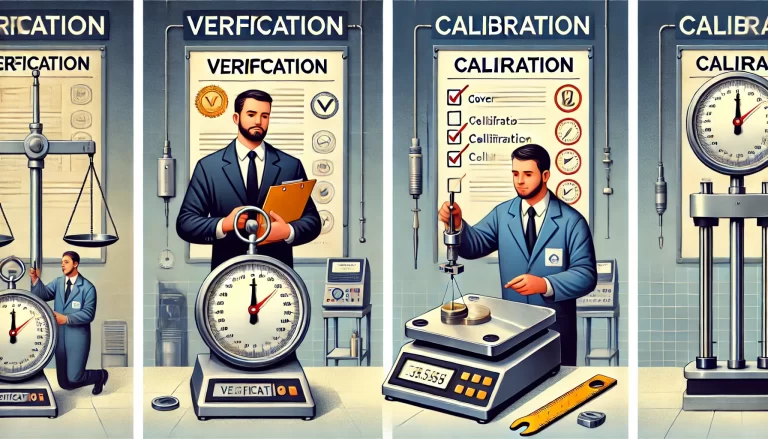
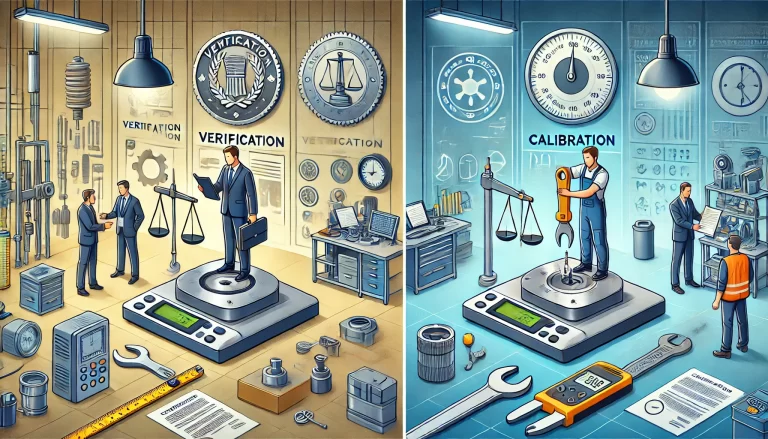
Ensuring the compliance of measuring and testing instruments is essential for maintaining accuracy, reliability, and legal adherence in various industries. Here’s a detailed guide on how to evaluate the compliance of such instruments:
1. Understand Legal and Regulatory Requirements
Compliance starts with understanding the legal framework governing measuring instruments.
National Standards and Regulations:
Metrological Verification Regulations (e.g., JJG in China): Ensure that the instrument complies with the specific verification standards for its type. These standards define accuracy, testing methods, and verification cycles.
Weights and Measures Legislation: Instruments used for trade, healthcare, safety, or environmental monitoring must comply with laws like the Weights and Measures Act in many countries.
Industry-Specific Standards:
Many industries (e.g., healthcare, automotive, energy) have additional requirements. For example, medical devices may need to adhere to ISO 13485 or other healthcare regulations.
2. Verify Calibration or Certification
To ensure accuracy, instruments need periodic calibration or verification by accredited organizations.
Key Considerations:
Calibration Certificates: Check if the instrument has a valid calibration certificate from an accredited body, such as one certified under ISO/IEC 17025.
Certification Content: Verify details like the instrument’s model, serial number, date of calibration, and results.
Validity Period: Calibration certificates are only valid for a specific time. Ensure the instrument hasn’t exceeded its validity.
Accredited Bodies:
Ensure that the calibration was conducted by an organization with relevant accreditation, such as CMA (China Metrology Accreditation) or similar bodies in other countries.
3. Check if It Requires Mandatory Verification
Some instruments fall under mandatory verification based on their application.
Instruments Requiring Mandatory Verification:
Devices used in trade transactions, such as scales or fuel dispensers.
Instruments used in safety-critical environments, such as pressure gauges in industrial plants.
Medical instruments, such as blood pressure monitors or thermometers.
Verification Cycle:
Instruments requiring mandatory verification must undergo inspection before initial use and at regular intervals afterward.
4. Inspect Labels and Markings
Compliance is often indicated by labels, stickers, or other markings.
Key Markings to Check:
Verification or Calibration Labels: Instruments should have visible markings showing the last calibration date and next due date.
Product Information Labels: Verify the instrument’s model, serial number, manufacturing date, and compliance standards listed on its nameplate.
Conformance Marks: Look for regulatory marks such as CE, FCC, or other local equivalents.
5. Evaluate Technical Specifications
An instrument must meet the technical requirements for its intended use.
Review the Instrument’s:
Measurement Range: Ensure the range matches your application (e.g., voltage range for a multimeter).
Accuracy and Resolution: Confirm that the precision meets the regulatory and operational requirements.
Environmental Tolerance: Verify that the instrument functions accurately under expected operating conditions, such as temperature and humidity.
6. Assess Manufacturer Compliance
The manufacturer’s credibility and compliance are equally important.
Manufacturer Documentation:
Check if the manufacturer holds relevant certifications, such as ISO 9001 for quality management.
Ensure the instrument’s design complies with recognized metrology standards.
Manufacturing Licenses:
In some countries, manufacturers of measuring instruments must hold specific licenses or certifications.
7. Review Maintenance and Usage Records
Regular maintenance ensures instruments remain compliant throughout their lifecycle.
What to Look For:
Maintenance Logs: Verify that the instrument has been regularly maintained according to the manufacturer’s guidelines.
Usage Records: Instruments with high usage rates may require more frequent calibration.
8. Confirm International Certifications (If Applicable)
For instruments used in international applications, additional certifications may be required.
Examples of International Certifications:
ISO/IEC 17025: Accreditation for calibration laboratories.
OIML Certification: Instruments complying with the International Organization of Legal Metrology standards.
9. Perform On-Site Inspections
Even if documentation is in order, on-site inspections are critical to verify functionality and compliance.
On-Site Checks:
Operational Accuracy: Test the instrument to ensure it performs as expected.
Environmental Suitability: Verify that the instrument is being used in conditions within its specifications.
Installation and Setup: Ensure the instrument is properly installed and calibrated after transport or repair.
10. Consult with Professional Verification Agencies
If there are doubts about compliance, engage professional agencies or experts.
Services They Provide:
Full verification and certification according to applicable regulations.
Guidance on compliance upgrades or adjustments needed for the instrument.
Conclusion
To determine the compliance of measuring and testing instruments, a thorough review of legal requirements, technical specifications, certifications, and operational performance is essential. By following these steps, organizations can ensure that their instruments are both legally and operationally fit for purpose. Always consult with professional calibration and verification bodies for accurate assessment and adherence to standards.