
Recently, I came across a fascinating case where AI was applied to closed-loop pH control. This represents a significant step forward, demonstrating the technical feasibility of using AI algorithms in feedback control systems. However, it raises the question: why and how should AI be integrated into feedback control? This question is complex and worth exploring.
Back in the 1930s, PID controllers were revolutionary, much like AI is today. They were rare and costly, and few people understood their value or knew how to tune their parameters effectively. Yet, over time, PID has cemented its place as a cornerstone of control engineering. Similarly, AI has transformed society, as evidenced by its influence on fields ranging from image and text processing to mathematics and logic. AI has the potential to reshape industries, but its role in feedback control remains unclear.
The Role of PID in Feedback Control
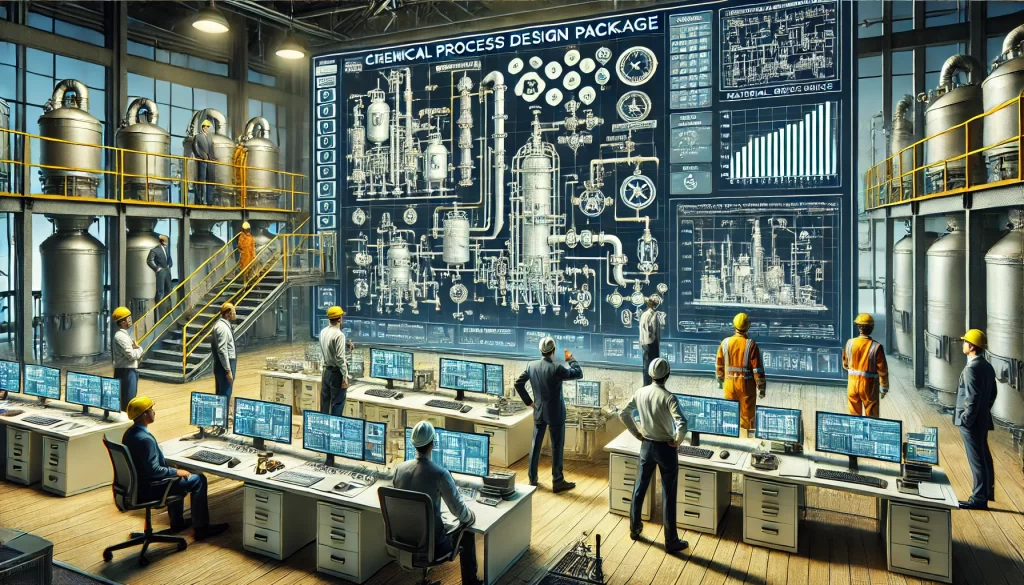
PID controllers have stood the test of time. Historically, even before control theory evolved into its modern form, feedback control relied heavily on PID. From classical to modern control theory, PID has been the go-to algorithm due to its simplicity and practicality.
Over the years, alternative methods like optimal control, adaptive control, robust control, and intelligent control have emerged. While these approaches have merit, none have displaced PID as the dominant algorithm in single-variable feedback control systems. The reasons are clear: PID combines technical feasibility with economic viability, making it irreplaceable in many applications.
Why AI May Struggle to Replace PID
In human-engineered systems, the guiding principle is often to simplify complex problems into manageable ones. Control problems are broken down or redefined to minimize complexity and reduce costs. Feedback control itself is a tool to manage complexity while keeping expenses low. PID, as the simplest linear control algorithm, excels in single-variable systems with strong causal relationships. Even model predictive control, often considered a sophisticated alternative, is used primarily for cost-effective handling of multivariable optimization problems.
For AI to gain acceptance in industrial control, it must address problems where traditional methods falter. Using AI to replace PID in single-variable control does not offer clear advantages. The example of applying AI to pH control, while technically feasible, does not necessarily make it a superior choice. Instead, AI’s strength lies in tackling previously unsolvable problems or enhancing existing solutions.
Lessons from Industry
History offers valuable lessons. Disruptive technologies often emerge from outside traditional players. Banks struggled to embrace mobile payments, and Kodak failed to adapt to digital cameras. Similarly, established automation companies may find it challenging to reinvent their approaches with AI.
AI’s potential impact on process control likely lies in new paradigms rather than incremental improvements to existing methods like PID. The focus should not be on replacing mature solutions but on discovering innovative approaches to problems previously beyond reach.
The Bigger Picture: Engineering over Algorithms
In engineering, solving problems often depends more on problem formulation and mature technologies than on cutting-edge algorithms. Decomposing or redefining problems and implementing gradual innovations are typically more impactful than revolutionary changes. Engineers must prioritize effective methodologies, robust designs, and adherence to standards over the pursuit of new algorithms.
For process control engineers, PID tuning, system design, and compliance with standards remain critical. AI should enhance productivity and unlock new opportunities rather than displace well-established solutions.

A Path Forward for AI in Feedback Control
To integrate AI effectively, we must focus on areas where it can truly add value. Examples might include:
- Complex Multivariable Systems: Coordinating variables that interact dynamically over time.
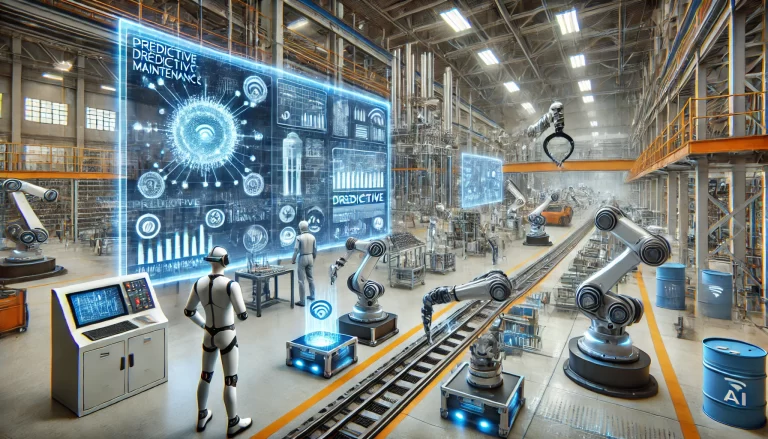
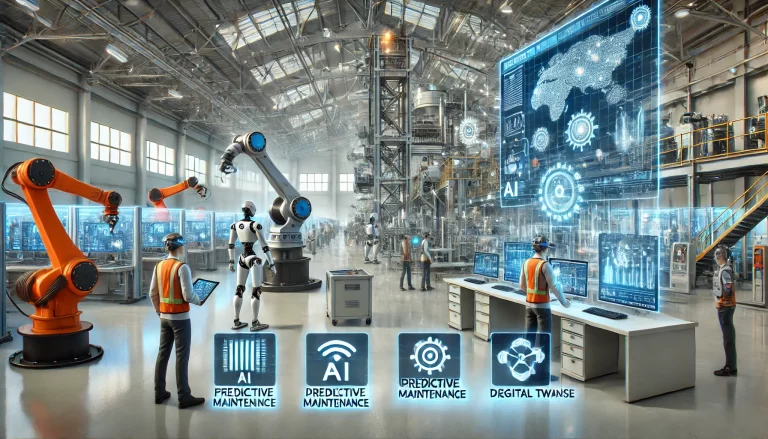
- Predictive Maintenance: Using AI to forecast equipment failures and optimize system performance.
- Adaptive and Intelligent Systems: Designing controllers that learn and adapt to changing conditions in real-time.
AI’s role in feedback control is not to replace PID but to complement it, expanding the boundaries of what can be achieved in control systems.
Conclusion
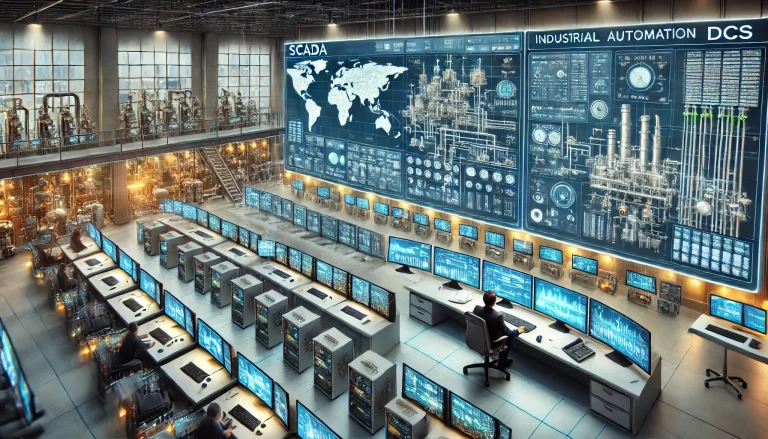
The potential of AI in feedback control lies in its ability to address challenges that traditional methods cannot. As engineers, our responsibility is to approach AI not as a replacement but as an enabler. By combining the strengths of AI with the robustness of PID, we can create control systems that are both innovative and reliable.