Summer Instrument Inspection Checklist: Key Maintenance Points for Industrial Plants - Just Measure it

Summer Instrument Inspection Checklist: Key Maintenance Points for Industrial Plants

Introduction

Summer brings high temperatures, high humidity, heavy rainfall, and frequent thunderstorms. These environmental conditions can significantly affect the reliability and accuracy of industrial instrumentation.

During hot and humid seasons, common instrument problems include:

  • Measurement drift caused by high temperature
  • Signal instability caused by moisture and condensation
  • Transmitter damage caused by lightning surges
  • Blockage or vaporization in impulse lines
  • Control valve failures caused by wet instrument air

Therefore, regular summer inspection is essential to ensure stable operation, accurate measurement, and safe production.

The main inspection focus should include:

  • Protection against high temperature
  • Waterproof and moisture prevention
  • Lightning and surge protection
  • Prevention of blockage and cavitation
  • Corrosion control
  • Avoidance of false alarms and unexpected shutdowns

1. General Instrument Inspection

1.1 Check Instrument Temperature

High ambient temperatures and direct sunlight can affect electronic components inside field instruments.

Inspect:

  • Pressure transmitters
  • Flow meter converters
  • Valve positioners
  • Junction boxes

Common problems:

  • Display black screen
  • Zero-point drift
  • Electronic component aging
  • Output signal instability

Recommended actions:

  • Avoid direct sunlight exposure
  • Install sunshades where necessary
  • Check whether instruments are installed too close to high-temperature pipelines
  • Verify that unnecessary heat tracing is switched off

1.2 Waterproof and Moisture Protection

Summer rain and humidity are major causes of instrument failures.

Check:

  • Junction box sealing
  • Transmitter rear covers
  • Cable glands and cable entries
  • Local instrument panels
  • Field cabinets

Moisture ingress may cause:

  • Short circuits
  • Signal fluctuation
  • Terminal corrosion
  • Insulation failure

Pay special attention to:

  • Condensation inside junction boxes
  • Damaged sealing rings
  • Loose cable glands

1.3 Dust and Corrosion Inspection

High humidity combined with dust can form conductive dirt layers and accelerate corrosion.

Inspect:

  • Instrument housings
  • Supports and brackets
  • Impulse lines
  • Cable trays
  • Protection covers

Check for:

  • Rust
  • Damaged insulation
  • Blocked impulse lines
  • Broken protective coatings

2. Temperature Instrument Inspection

( RTD, Thermocouple, Temperature Transmitter )

2.1 High Temperature Measurement Drift

Compare field temperature indication with DCS values.

If deviation occurs, check:

Thermocouple:

  • Incorrect compensation cable polarity
  • Aging or damage of extension wires
  • Short circuits

RTD:

  • Loose terminals
  • Moisture inside junction box
  • Broken sensor wiring

2.2 Thermowell and Installation Check

Inspect:

  • Thermowell tightness
  • Leakage
  • Corrosion
  • Mechanical damage

For high-temperature applications, check whether the thermowell shows:

  • Burn marks
  • Erosion
  • Deformation

3. Pressure Instrument Inspection

(Pressure Transmitter, Pressure Gauge, Pressure Switch)

3.1 Vaporization and Gas Blocking in Impulse Lines

During summer, high ambient temperature may cause process fluids to vaporize.

Common applications:

  • Hot water systems
  • Hydrocarbon systems
  • Ammonia systems
  • Chemical processes

Symptoms:

  • Unstable pressure indication
  • Incorrect zero point
  • No pressure output

Inspection:

  • Check impulse line condition
  • Verify condensate pot operation
  • Remove trapped gas when necessary

3.2 Impulse Line and Valve Inspection

Check:

  • Blockage in impulse lines
  • Leakage points
  • Root valves
  • Three-valve manifolds

Summer temperature changes may accelerate:

  • Gasket aging
  • Valve leakage
  • Seal failure

4. Flow Meter Inspection

(Orifice Flow Meter, Magnetic Flow Meter, Vortex Flow Meter, Coriolis Flow Meter)

4.1 Temperature Effects on Flow Measurement

Liquid Flow Measurement

High temperature may cause:

  • Density changes
  • Vapor formation
  • Flow signal fluctuation

Gas Flow Measurement

Temperature increase causes gas expansion.

Check:

  • Temperature compensation function
  • Pressure compensation
  • Calculation parameters

4.2 Magnetic Flow Meter Inspection

High humidity may reduce insulation resistance between electrodes.

Possible symptoms:

  • Maximum flow display
  • Unstable output
  • No measurement signal

Check:

  • Junction box sealing
  • Electrode insulation
  • Grounding connection

4.3 Vortex and Turbine Flow Meter

Inspect:

  • Sensor condition
  • Pipeline vibration
  • Mechanical resonance

High vibration may cause:

  • False signals
  • Measurement instability

5. Level Instrument Inspection

(Radar Level Meter, Ultrasonic Level Meter, Magnetic Level Gauge, Displacer Level)

5.1 High Temperature Vapor Effect

For differential pressure level measurement:

High temperature may cause expansion of fill fluid inside capillary systems.

Possible problems:

  • Zero drift
  • Incorrect level indication
  • Measurement error

Check:

  • Capillary condition
  • Reference side pressure
  • Leakage points

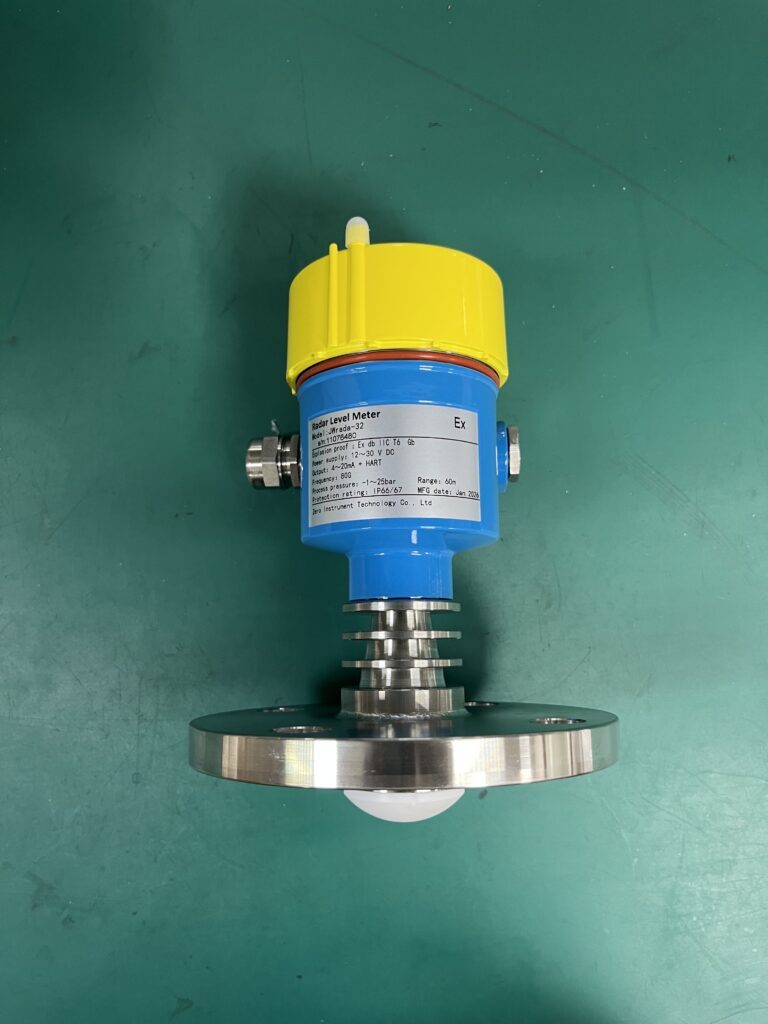
5.2 Radar and Ultrasonic Level Meter

High temperature inside tanks may generate:

  • Steam
  • Condensation
  • False echoes

Inspect:

  • Antenna condition
  • Condensation
  • Product buildup
  • Purge air system

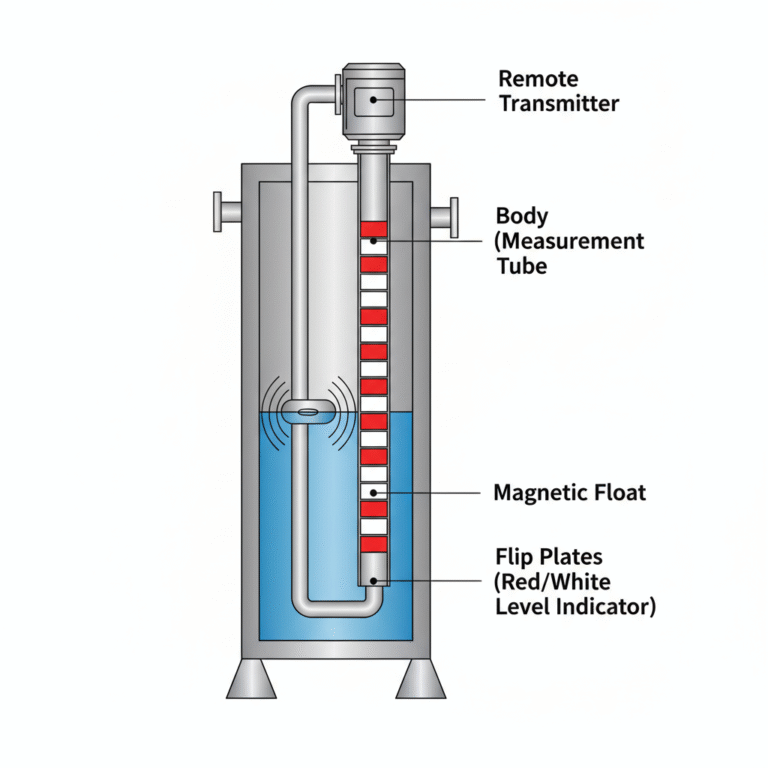
5.3 Magnetic Level Gauge

Common summer problems:

  • Float sticking
  • Indicator failure
  • Magnetic coupling failure

Check:

  • Float movement
  • External indicator response
  • Difference between local and DCS indication

6. Control Valve and Positioner Inspection

Summer is a high-risk period for pneumatic control valves.

6.1 Positioner Temperature and Moisture

Check:

  • Direct sunlight exposure
  • Water ingress
  • Alarm conditions

High temperature may cause:

  • Positioner drift
  • Slow valve response
  • Calibration errors

6.2 Instrument Air Quality

High humidity increases condensate formation in compressed air systems.

Inspect:

  • Air filters
  • Pressure regulators
  • Air dryers
  • Drain valves

Wet instrument air may cause:

  • Valve sticking
  • Positioner malfunction
  • Control loop oscillation

6.3 Valve Operation Test

Check:

  • Valve stroke
  • Response speed
  • Hysteresis
  • Leakage

Inspect packing:

  • Valve stem leakage
  • Aging seals

7. Instrument Air System Inspection

7.1 Moisture and Dew Point

Summer inspection should focus on:

  • Air dryer operation
  • Filter drainage
  • Receiver tank drainage

Water contamination may affect the entire plant’s control system.

7.2 Air Pressure Stability

Typical instrument air pressure:

0.4–0.7 MPa

Check:

  • Pressure fluctuations
  • Compressor loading
  • Leakage points

8. DCS, PLC and Control Cabinet Inspection

8.1 Cabinet Temperature

Check:

  • Air conditioner
  • Cooling fan
  • Ventilation

High temperature may accelerate:

  • Electronic aging
  • Module failure
  • Communication problems

8.2 Moisture and Dust Prevention

Inspect:

  • Condensation
  • Dust accumulation
  • Cabinet sealing

8.3 Grounding and Wiring

Check:

  • Loose terminals
  • Grounding resistance
  • Safety barrier condition

Poor grounding may cause:

  • Signal interference
  • Communication failure
  • False alarms

9. Lightning, Static Electricity and Explosion Protection

9.1 Lightning Protection

During thunderstorms, inspect:

  • Instrument grounding
  • Surge protection devices
  • Lightning protection modules

Lightning surges may damage:

  • Transmitters
  • PLC cards
  • Safety barriers

9.2 Explosion-Proof Inspection

Check:

  • Cable glands
  • Flexible conduits
  • Explosion-proof seals

Ensure:

  • No damage
  • Proper sealing
  • No loss of explosion protection

10. SIS / ESD Safety Instrument Inspection

Safety instruments require special attention.

Check:

  • Pressure switches
  • Level switches
  • Flame detectors
  • Vibration monitoring devices

Important:

Never operate bypass switches or safety interlocks without proper authorization.

High temperatures may accelerate:

  • Contact aging
  • False triggering
  • Sensor failure

11. Common Summer Instrument Failures Summary

ProblemPossible Cause
Signal fluctuationMoisture inside junction box
Incorrect pressure/levelImpulse line vaporization or blockage
Flow measurement errorDensity change or gas expansion
Valve oscillationWet instrument air
Radar false levelSteam and condensation
Transmitter damageLightning surge
Display failureHigh temperature exposure

12. Summer Instrument Inspection Checklist

During routine inspection, record:

  • Temperature indication deviation
  • Pressure and level fluctuations
  • Flow measurement stability
  • Leakage points
  • Abnormal noise or vibration
  • Instrument air pressure
  • Cabinet temperature
  • Alarm and communication status

For critical equipment such as:

  • Distillation units
  • Gasification systems
  • Storage tanks
  • High-temperature process units

Inspection frequency should be increased during summer.

Conclusion

Summer environmental conditions create additional challenges for industrial instrumentation. Proper inspection and preventive maintenance can significantly reduce instrument failures, improve measurement accuracy, and ensure safe plant operation.

A systematic summer inspection program helps engineers identify problems before they become production interruptions.

Share This Story, Choose Your Platform!

Contact Us

    Please prove you are human by selecting the plane.
    Translate »