In industrial environments, the accuracy of instruments and measuring devices directly affects process stability, product quality, equipment safety, and operational efficiency.
A small measurement deviation may lead to:
process parameter deviation
reduced production efficiency
product inconsistency
equipment malfunction
serious safety incidents
This is why instrument calibration is not optional—it is essential.
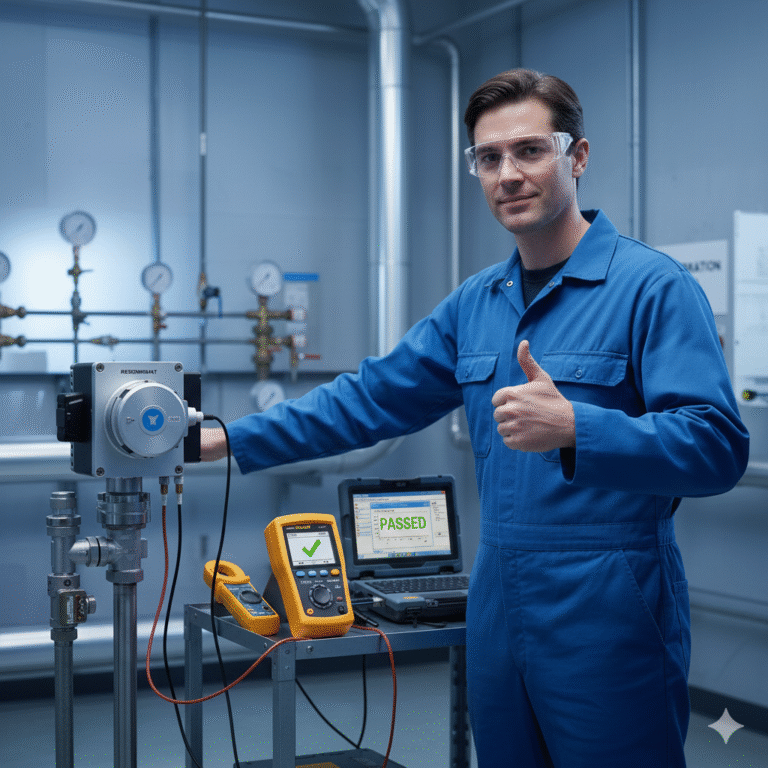
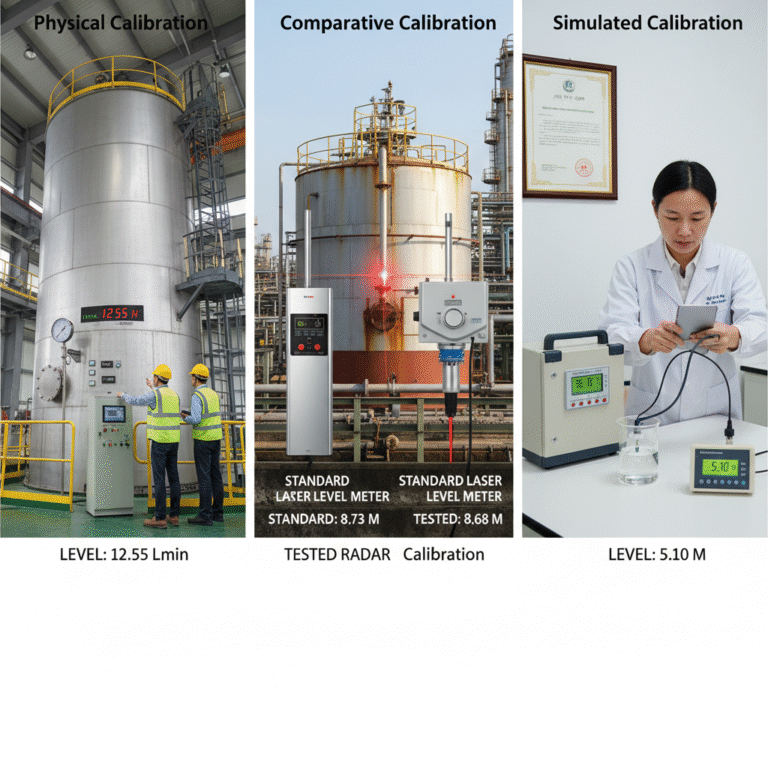
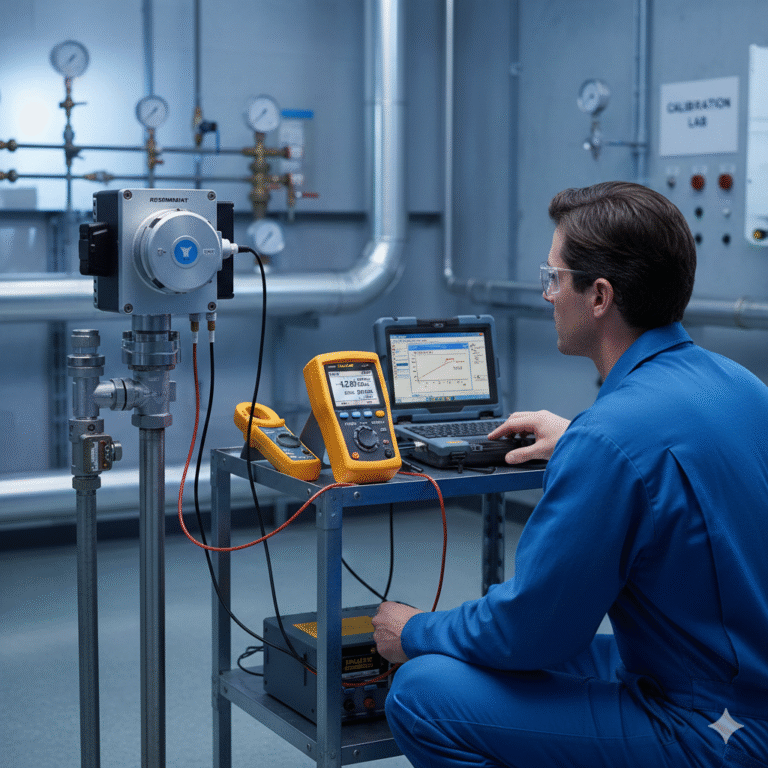
Calibration is the process of comparing an instrument under test with a higher-accuracy standard device under specified conditions to determine its measurement error and provide correction values.
For industrial plants, power stations, and automation systems, calibration is the foundation of reliable measurement and predictive maintenance.
Common Types of Instruments That Require Calibration
In daily industrial maintenance, the most commonly calibrated instruments include:
Electrical Instruments
digital multimeters
clamp meters
insulation testers
voltage/current calibrators
power analyzers
Process Control Instruments
pressure transmitters
differential pressure transmitters
temperature transmitters
flow meters
level transmitters
Other Common Industrial Instruments
infrared thermal imagers
grounding resistance testers
signal generators
portable data loggers
Standard Instrument Calibration Procedure
No matter what type of instrument is being calibrated, a standardized process should always be followed.
Step 1: Preparation Before Calibration
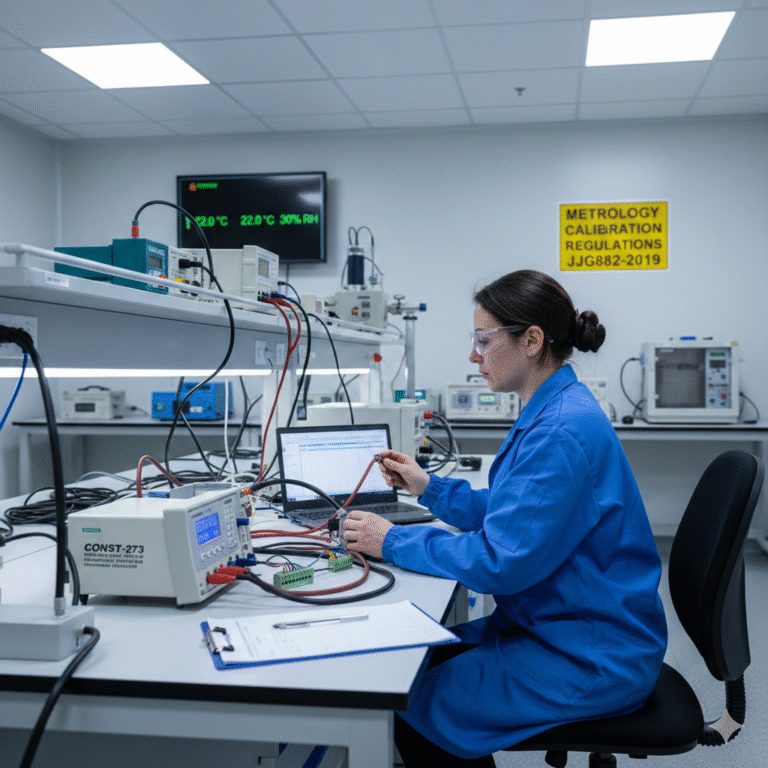
Before starting calibration, both environmental conditions and reference equipment must be controlled.
Environmental Conditions
A stable environment is critical.
Recommended conditions:
Temperature: 20 ± 5°C
Humidity: ≤ 85% RH
No strong electromagnetic interference
For high-precision applications, real-time temperature and humidity monitoring is strongly recommended.
Standard Reference Device
The standard instrument must be more accurate than the device under test.
The common rule is:
The standard instrument should be 3 to 10 times more accurate than the tested instrument.
This ensures reliable traceability of measurement values.
Step 2: Zero Point Calibration
Zero calibration establishes the baseline reference point.
For example, when calibrating a differential pressure transmitter:
close positive and negative pressure valves
open balance valve
connect both chambers
adjust output to 4 mA
This step is essential before span calibration.
Step 3: Full Scale Calibration
Full-scale calibration verifies performance across the entire measuring range.
Apply the maximum input signal and adjust output to the corresponding full-scale value.
Repeat the zero-span calibration cycle at least 3 times to ensure repeatability.
This helps eliminate drift and offset errors.
Step 4: Linearity Verification
Linearity is one of the most important performance indicators.
Select 5 or more evenly distributed calibration points across the full range.
Record each output value and plot the error curve.
The deviation must remain within the instrument’s specified tolerance.
Step 5: Documentation and Traceability
Every calibration process must be fully documented.
The report should include:
calibration date
environmental conditions
reference instrument information
raw data
error analysis
final conclusion
A complete calibration record ensures traceability and quality control compliance.
Why Calibration Tools Matter
The quality of calibration depends heavily on the calibration tool itself.
A professional calibration tool should provide:
High Accuracy
The calibration device must always be more accurate than the tested instrument.
Portability
Field calibration often requires portable equipment.
Data Management
Modern calibration devices support:
automatic recording
wireless synchronization
cloud storage
trend analysis
This transforms calibration from a simple test into a complete maintenance system.
Real Application Case: Photovoltaic Power Station Maintenance
A 200 MW photovoltaic power station experienced a 10% drop in power generation efficiency.
Routine inspection could not identify the root cause.
Using professional calibration tools, the maintenance team carried out:
DC voltage testing
inverter current verification
grounding resistance testing
thermal hotspot scanning
wireless cloud diagnostics
Eventually, they located:
loose connectors
abnormal grounding resistance
hidden thermal cracks in solar cells
This case clearly demonstrates:
Without reliable calibration tools, there can be no reliable maintenance decisions.
Need Professional Calibration Instruments?
We supply professional industrial calibration tools and testing instruments for:
power plants
process industries
oil & gas
water treatment
photovoltaic stations
Including:
process calibrators
portable electrical meters
infrared thermal imagers
grounding resistance testers
industrial signal calibrators
Feel free to contact us for technical support and product selection.