
In modern chemical and process industries, corrosion remains one of the key challenges affecting production stability, instrument reliability, and plant safety. Piping systems, flow meters, level transmitters, and process sensors are often exposed to various acids, bases, solvents, and gas-liquid mixtures, many of which can chemically corrode wetted materials.
Understanding the corrosion characteristics of different media and selecting instruments with suitable materials is crucial for extending the equipment’s lifespan and ensuring measurement accuracy.
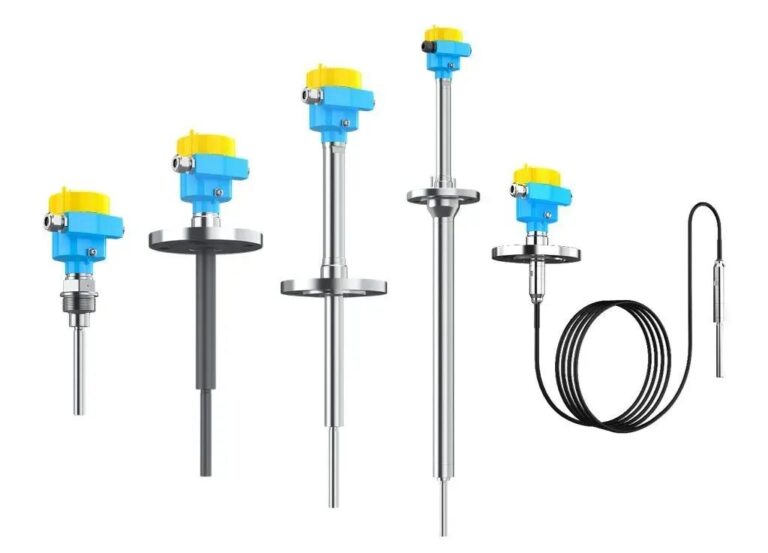
Common Corrosive Media and Their Characteristics
The corrosion behavior of industrial process fluids varies significantly due to differences in concentration, temperature, pressure, and impurity levels. The main types of corrosion include:
1. Strong Acids
Common examples: Hydrochloric acid (HCl), sulfuric acid (H₂SO₄), nitric acid (HNO₃), phosphoric acid, etc.
Characteristics:
- Highly corrosive to carbon steel.
- High concentrations of hydrochloric acid strongly corrode stainless steel.
- Alloys such as Hastelloy C and titanium offer better corrosion resistance.
2. Weak Acids and Organic Acids
Examples: Acetic acid, formic acid, citric acid, etc.
Characteristics:
- Moderate corrosion.
- 316L stainless steel is usually sufficient at room temperature.
- Higher temperatures may require PTFE-lined equipment.
3. Alkaline Media
Common examples: Sodium hydroxide (NaOH), potassium hydroxide (KOH), etc.
Characteristics:
- Carbon steel performs well at low temperatures.
- Stainless steel may experience stress corrosion cracking in strong alkaline environments.
- PTFE, PVDF, and rubber lining materials offer good long-term stability.
4. Salts and Brines
Examples: Sodium chloride solutions, seawater, brine slurry, etc.
Characteristics:
- Chloride ions accelerate pitting corrosion.
- 316L stainless steel is more corrosion-resistant than 304 in chloride environments.
- In high-concentration chloride environments, duplex stainless steel or nickel-based alloys are preferred.
5. Organic Solvents and Hydrocarbons
Common in fuels, lubricants, aromatic hydrocarbons, alcohols, etc.
Characteristics:
- Generally weakly corrosive to stainless steel.
- Attention is needed for additives, sulfur compounds, and polymer swelling issues.
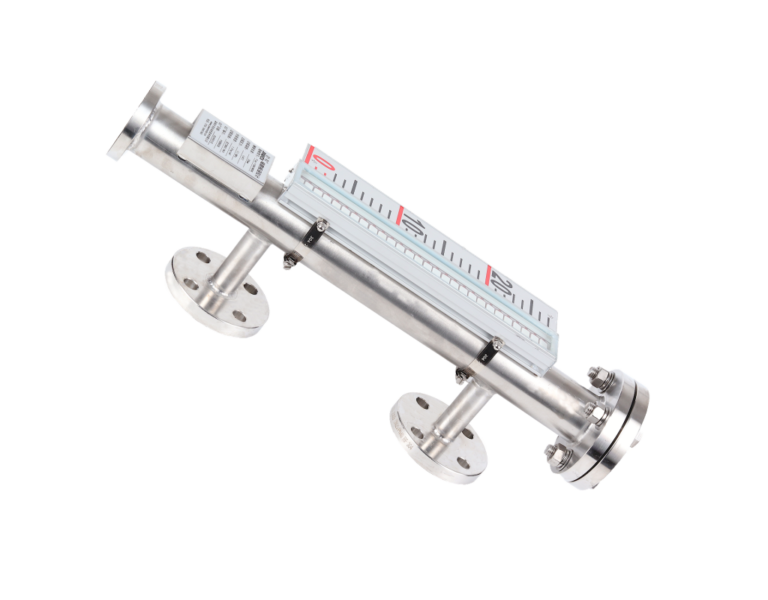
Recommended Material Selection for Process Instruments
The selection of instrument materials depends on fluid properties, temperature, pressure, and expected service life. Below are typical recommended materials for wetted parts:
| Process Media | Recommended Wetted Materials |
|---|---|
| Strong Acids (HCl, H₂SO₄) | PTFE/PFA Lining, Hastelloy C |
| Weak Acids | 316L Stainless Steel, PTFE/PFA |
| Strong Alkali Solutions | PTFE/PVDF, Lined Steel |
| Chloride Brine/Salts | 316L Stainless Steel, Duplex Stainless Steel |
| Organic Solvents/Hydrocarbons | 304 or 316L Stainless Steel |
| Slurries with Solids | Rubber-Lined Steel Pipe, Stainless Steel Hard Coating |
These recommendations apply to flow meters, level transmitters, valves, and other wetted process instruments.
Instrument Selection Considerations
The corrosion resistance of instruments is closely related to both their type and design structure.
1. Flow Meters
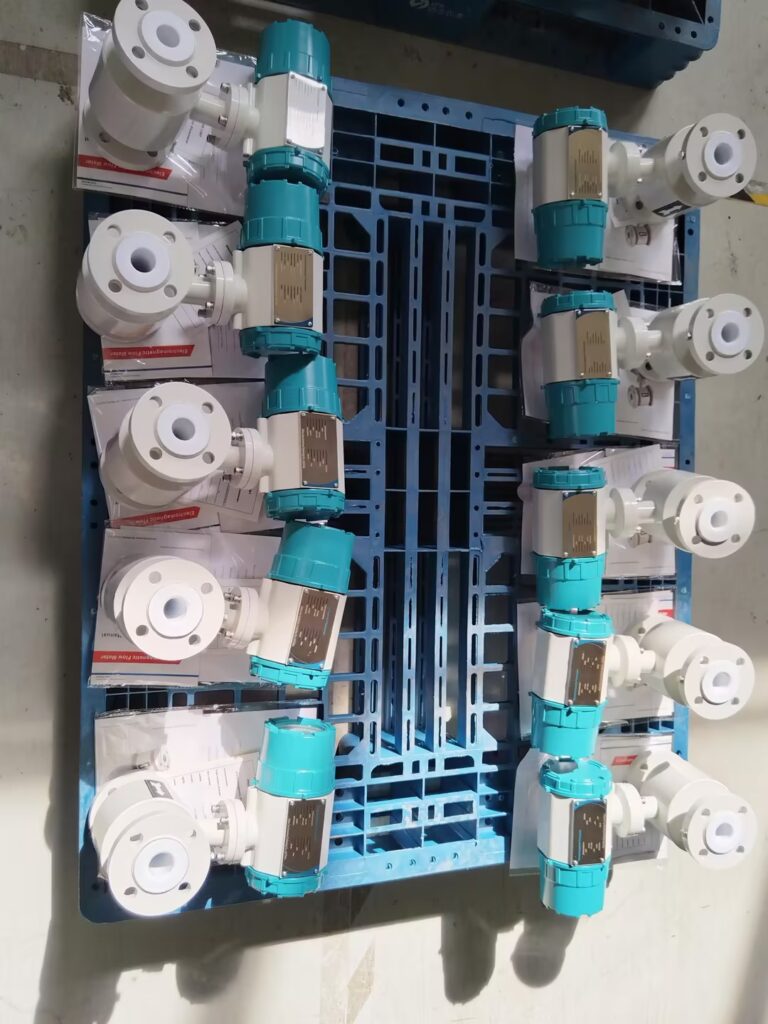
- Electromagnetic Flow Meters
Suitable for conductive liquids, including acids, bases, and wastewater.
Key materials include PTFE lining, chloroprene rubber lining, and 316L/Hastelloy electrodes. - Coriolis Mass Flow Meters
Ideal for corrosive fluids and high-viscosity media.
Wetted materials typically include:- 316L Stainless Steel
- 904L Stainless Steel
- Duplex Stainless Steel
- Nickel Alloys
2. Level and Pressure Instruments
- Radar/Ultrasonic Level Meters
Non-contact measurement design is very suitable for corrosive liquids or volatile media. - Tuning Fork Level Switch
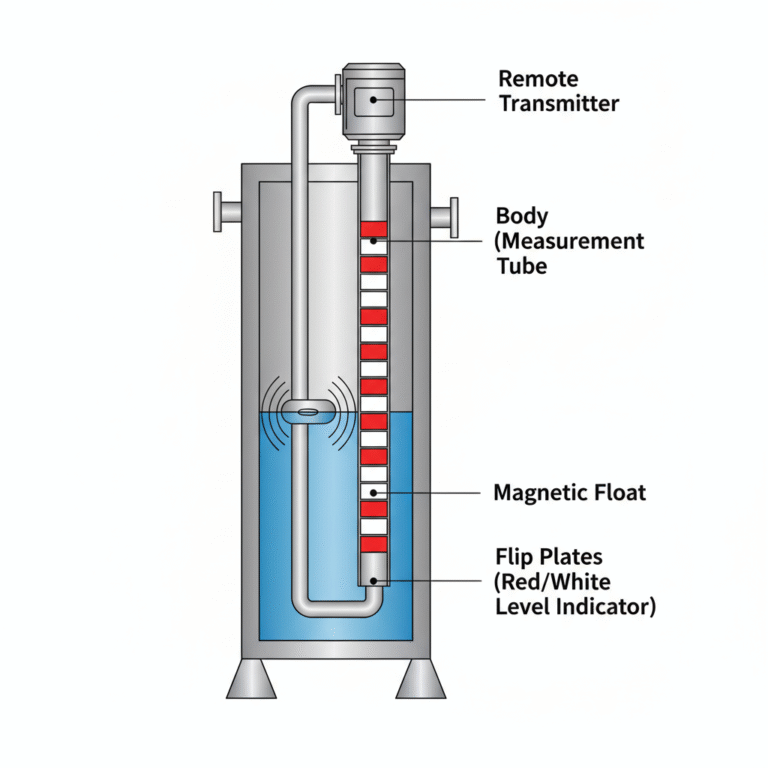
For contact-level measurements, wetted parts can be made from Hastelloy or coated with corrosion-resistant coatings. - Magnetic Float/Displacer Level Gauges
Typically, PTFE or FEP linings are added to the float and displacer to help with the measurement of more corrosive media. - Submersible Pressure Transmitters
Typically made with 316L stainless steel with protective coatings or titanium (for seawater and brine environments).
Conclusion
With the advancement of chemical processing and automation, instruments play a key role in ensuring the reliable operation of plants and maximizing production efficiency. Choosing the correct corrosion-resistant materials ensures longer instrument life, lower maintenance costs, higher measurement accuracy, and improved plant uptime and economic benefits.
While corrosion cannot be entirely eliminated, proper material selection and matching of products to their specific applications can significantly reduce the risk of failure and protect the operational investment in the production facility.