
Choosing the right flowmeter is a critical decision that directly affects the accuracy, reliability, and efficiency of your flow measurement process. Here’s a comprehensive guide to help you select the appropriate flowmeter for your application.
1. Fluid and Operating Conditions (The Foundation of Selection)
Accurate fluid characterization and working conditions are key to determining the suitability of a flowmeter. Make sure to identify the following:
Fluid Type and Characteristics:
Contaminated Slurry or Suspended Particles: Choose an electromagnetic flowmeter (with wear-resistant lining) or a target flowmeter. Consider adding a filter if necessary.
High Viscosity Liquids (e.g., heavy oil, resin): Opt for a positive displacement flowmeter (e.g., oval gear or rotary) or a Coriolis mass flowmeter.
Clean Gases and Steam: Prefer vortex, turbine, or thermal mass flowmeters.
Conductivity: For conductive liquids (e.g., water, acidic solutions), electromagnetic flowmeters are ideal. For non-conductive liquids or gases (e.g., oils, organic solvents), other flowmeters like turbines, vortex, or differential pressure types should be considered.
Cleanliness and Viscosity: Consider whether the fluid is clean or contains particles, fibers, or bubbles.
Temperature and Pressure: Specify the maximum and minimum operating temperatures and pressures. High or low temperatures (above 120°C or below -20°C) may restrict material options, such as rubber linings not being suitable for high-temperature applications.
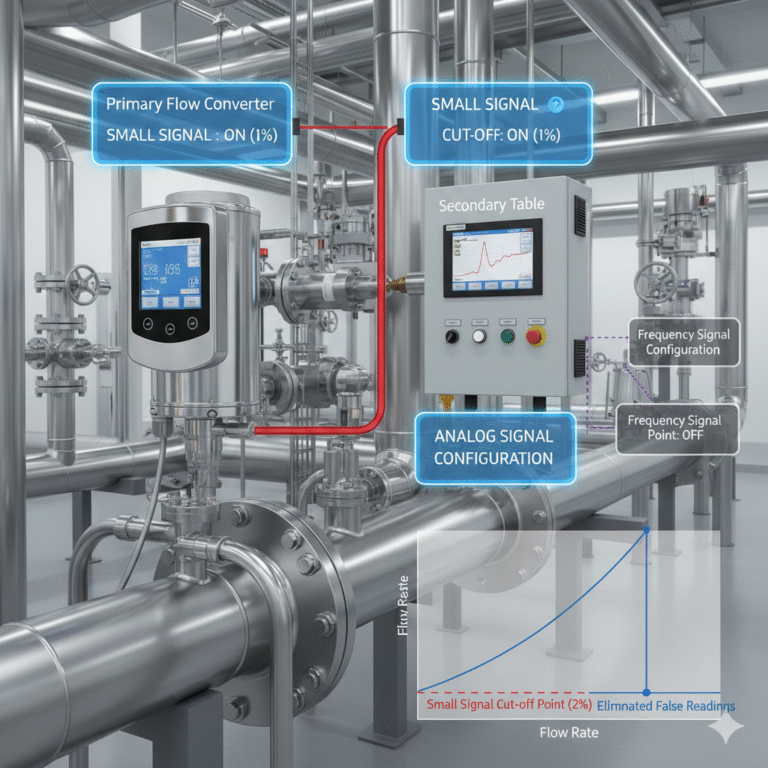
Flow Range: It’s crucial to provide accurate minimum, normal, and maximum flow rates. The golden rule is that the normal flow should fall between 30%–80% of the flowmeter’s range. Running at lower flow rates (<20%) for extended periods can result in signal instability or significant errors, especially for instruments like vortex flowmeters.
2. Instrument Performance Specifications (The Core of Selection)
Choose a flowmeter based on the required measurement purpose, whether for process control or fiscal metering. Key factors include:
Accuracy and Repeatability: High accuracy (e.g., ±0.5%) is essential for fiscal metering, while process control may allow more flexibility.
Rangeability: This refers to the ratio of maximum to minimum measurable flow. If the flow fluctuates widely, opt for a flowmeter with a high turndown ratio (e.g., turbine or ultrasonic meters with a rangeability of up to 20:1 or higher).
Pressure Loss: In low-pressure systems or when energy conservation is a concern, choose instruments with minimal pressure drop. For example, venturi tubes and insertion flowmeters have lower pressure loss, while orifice plates tend to have higher pressure drops.
Signal Output: Determine what kind of output is required, whether analog (4-20mA), pulse signals, or digital communication (e.g., RS485, HART protocol).

3. Installation Conditions (Critical Details That Impact Performance)
Improper installation is often the cause of inaccurate readings, not the flowmeter itself. Consider the following installation factors:
Straight Pipe Section Requirements: This is often overlooked but is vital for stable measurements.
Strict Requirements: Instruments like vortex, orifice, and electromagnetic flowmeters typically require 10D upstream and 5D downstream straight pipe sections to ensure a stable flow profile.
Relaxed Requirements: Positive displacement flowmeters (e.g., oval gear meters) and Coriolis meters have lower straight pipe section requirements.
Installation Direction and Full Pipe:
Electromagnetic flowmeters must be installed horizontally (or at a specified angle) with a full pipe to avoid air pockets.
Vortex flowmeters should be installed at the lower section of a pipeline, avoiding vertical upward installations.
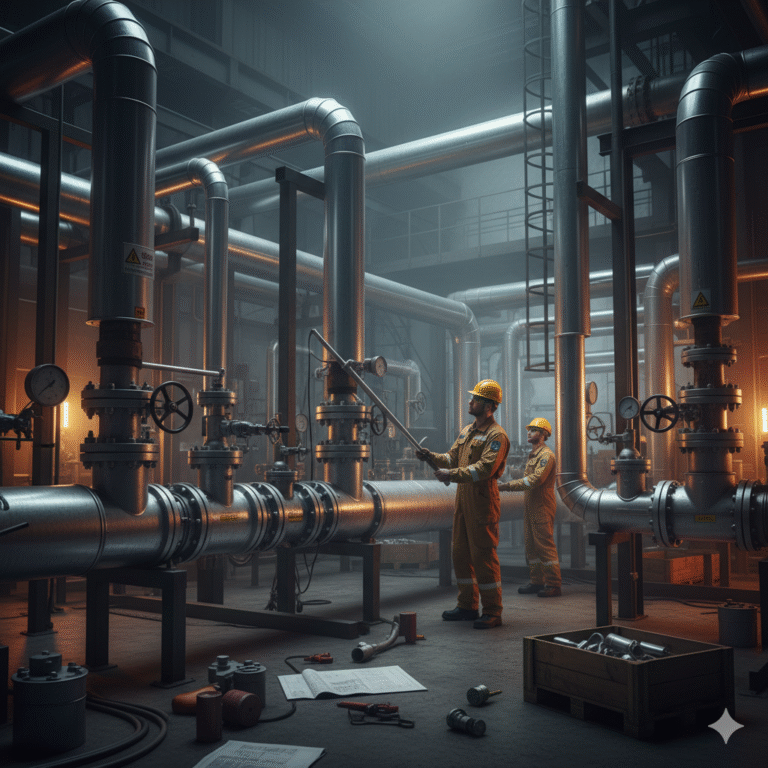
Maintenance Space: Ensure sufficient space for regular maintenance, especially for meters that require periodic cleaning or part replacement (e.g., filters, bearings).
4. Environmental and Economic Factors
Take into account the following environmental and cost considerations:
Environmental Interference:
Is there strong electromagnetic interference that could affect electromagnetic or turbine meters?
Are there significant vibrations that might impact vortex meters?
Are explosion-proof requirements needed (e.g., Ex d certified meters)?
Overall Cost:
Purchase Cost: Differential pressure meters are usually less expensive, while Coriolis mass flowmeters tend to be more costly.
Maintenance Costs: Meters with moving parts (e.g., turbines, positive displacement meters) require regular maintenance, such as bearing replacements, which increases the overall maintenance cost. On the other hand, meters without moving parts (e.g., electromagnetic, ultrasonic) have lower maintenance costs.
Quick Flowmeter Selection Guide
Here’s a quick overview of common flowmeters and their ideal applications:
| Flowmeter Type | Suitable Fluids | Key Benefits | Limitations/Considerations |
|---|---|---|---|
| Electromagnetic | Conductive liquids (water, sewage, slurry) | Minimal pressure loss, corrosion-resistant, wide range | Not suitable for non-conductive fluids (oil, gases) |
| Vortex | Gases, steam, liquids | Simple structure, low pressure loss, wide rangeability | Not suitable for low Reynolds number (high viscosity) fluids, sensitive to vibrations |
| Turbine | Clean gases, liquids (e.g., natural gas, water) | High accuracy, fast response, good repeatability | Moving parts, requires regular maintenance, vulnerable to debris |
| Differential Pressure (Orifice) | Almost any fluid (gas, liquid, steam) | Sturdy design, low cost, no calibration needed | High pressure drop, narrow rangeability (usually 3:1) |
| Positive Displacement (Gear) | High viscosity liquids (oil, resins) | Extremely accurate, ideal for high-viscosity fluids | Not suitable for fluids with impurities, higher pressure loss |
| Coriolis Mass Flowmeter | Liquids, gases | Direct mass measurement, unaffected by temperature/pressure, very accurate | Expensive, installation requires attention to stress impacts |
Final Recommendation:
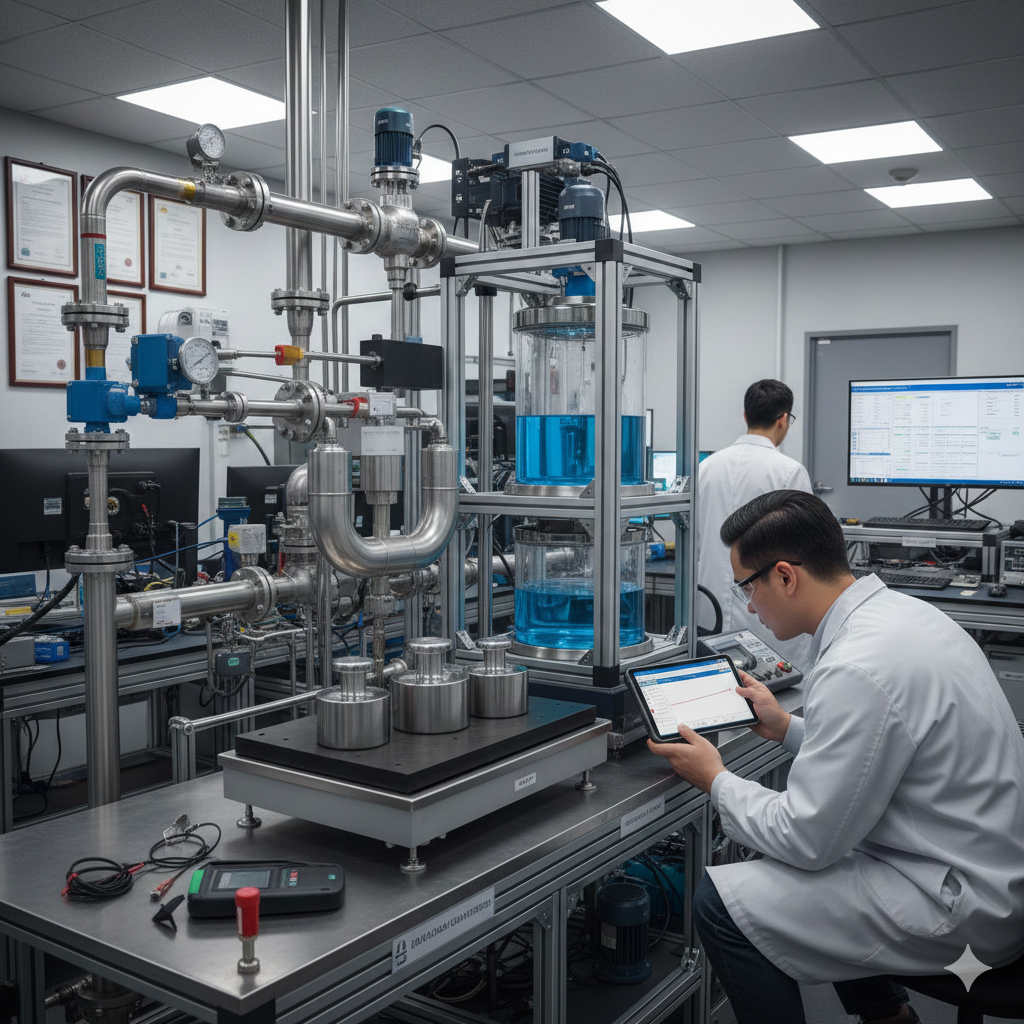
Before finalizing the selection, always confirm the specific on-site parameters (especially temperature, pressure, and flow limits) with the flowmeter supplier. Also, ensure that installation conditions, particularly straight pipe sections, are met. If installation space is limited, consider using a flow conditioner to improve flow profiles.