
1. Overview
Equipment maintenance refers to routine care performed through cleaning, lubrication, inspection, adjustment, fastening, and minor correction, to ensure equipment maintains proper performance and technical condition.
Effective maintenance reduces failure rates, minimizes downtime, and extends equipment life.
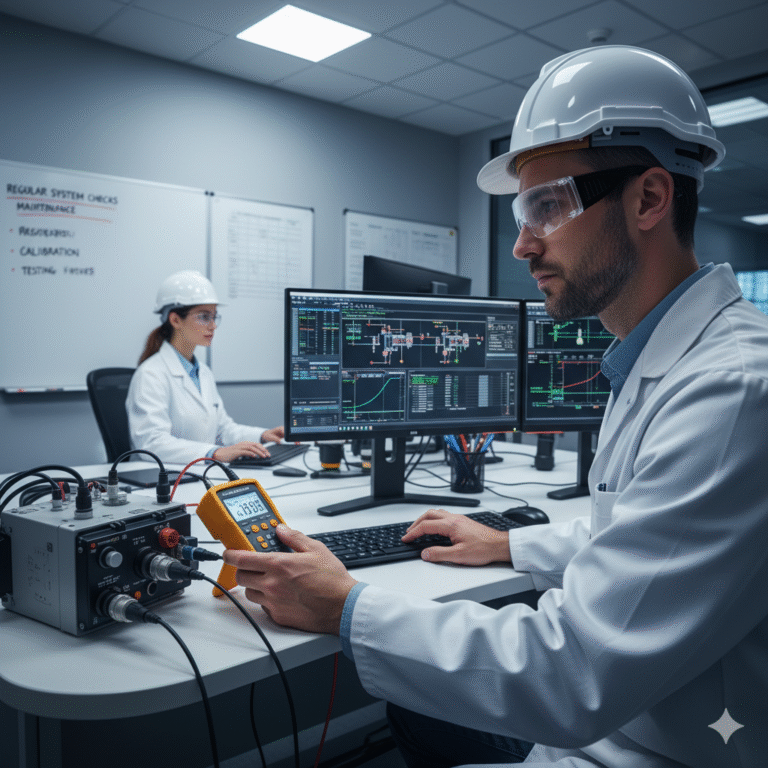
2. Maintenance Requirements for Critical, Precision, and Special Machinery
2.1 “Four Assignments” Principle
To manage key equipment, enterprises should implement the following controls:
1️⃣ Assigned Operator
Select trained, responsible, and experienced personnel specific to each designated machine and maintain operator continuity.
2️⃣ Assigned Maintenance Personnel
For organizations with large quantities of precision or rare equipment, establish dedicated service teams responsible for inspection, calibration, and repair.
3️⃣ Assigned Operating Procedures
Develop detailed standard operating procedures (SOPs) per equipment type, display them clearly, and enforce strict compliance.
4️⃣ Assigned Spare Parts Inventory
Determine spare parts stock levels based on equipment importance and supply chain risk. Critical spare parts should always remain available.
2.2 Requirements for Precision Equipment
Precision machines require enhanced management:
Install equipment strictly in accordance with manufacturer specifications.
Maintain controlled environmental conditions (temperature, humidity, dust, vibration).
Do not dismantle internal components during routine maintenance.
Immediately stop operation when abnormalities occur—no running with unresolved defects.
Apply protective covers during idle periods and perform periodic lubrication and no-load rotation.
Store fixtures and dedicated tools in protective cabinets; avoid contamination, wear, or unauthorized lending.
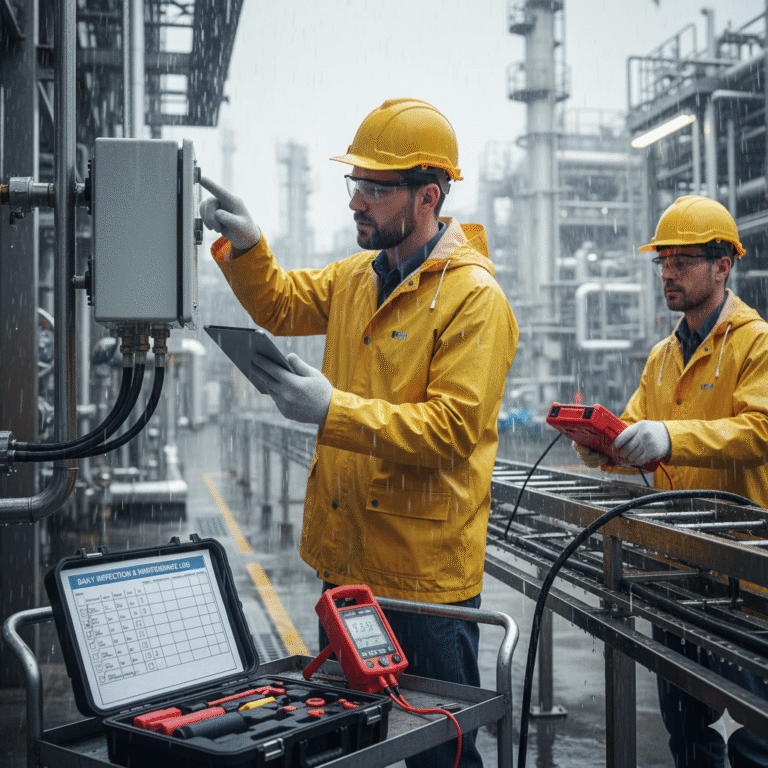
3. Maintenance Requirements for Power Equipment
Power equipment—such as boilers, compressors, pumps, and generators—often involves high temperature, high pressure, toxicity, or flammability. Therefore:
Operators must be trained and certified before duty.
Maintain complete technical documentation, safety procedures, and operation logs.
Conduct regular patrol inspections while on shift; operators must not leave assigned posts.
Abnormal conditions should trigger emergency response in accordance with procedures and be escalated promptly.
Measuring instruments and protection devices must remain accurate and calibrated.
Absolutely no running with known defects—faults must be corrected immediately.
Perform preventive testing and seasonal inspections.
Provide continuous safety education and enforce all safety rules.
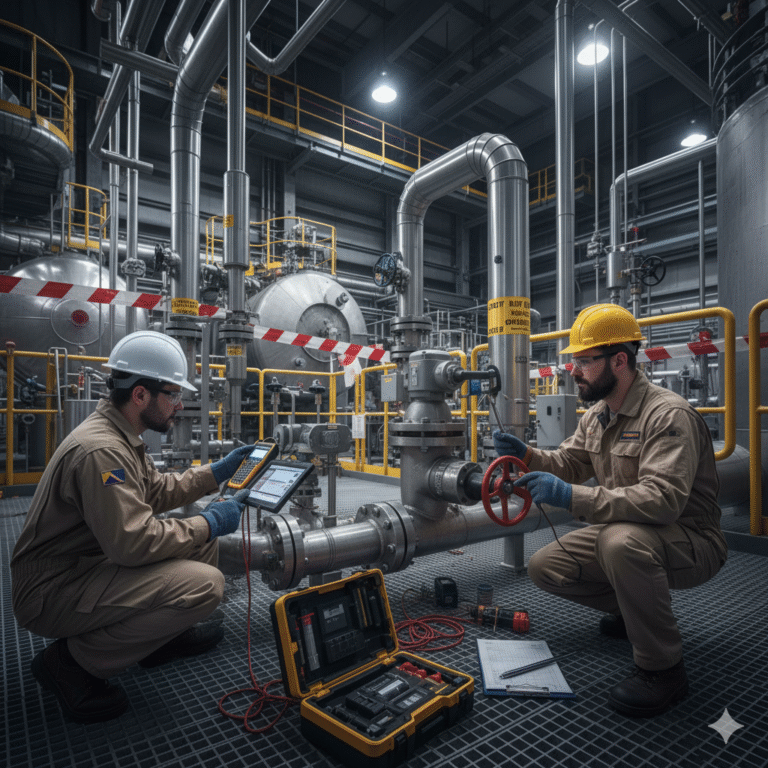
4. Regional Maintenance System
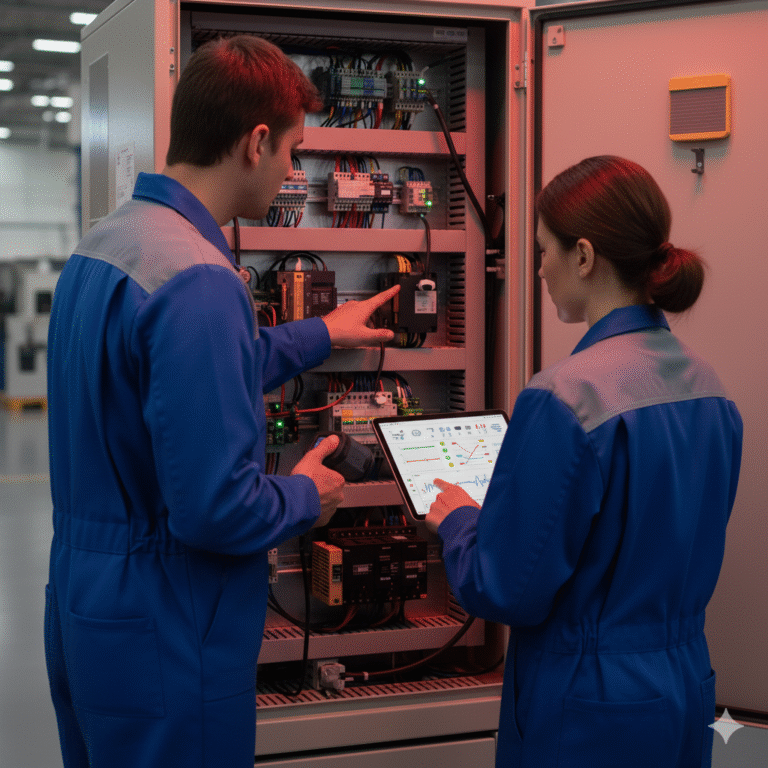
Regional maintenance—also known as the “mechanics ownership zone system”—assigns maintenance workers responsibility for all equipment in a designated area.
Advantages
Faster emergency response
Reduced repair downtime
Better collaboration between operators and maintenance teams
Clear accountability for equipment health and performance
Responsibilities of Regional Maintenance Teams
Perform routine service and urgent repairs; ensure uptime and availability targets are met.
Guide operators on daily cleaning, lubrication, and inspections.
Conduct periodic diagnostics, alignment checks, leakage elimination, condition monitoring, and root-cause failure analysis.
Participate in major repair plans under engineering guidance.
Maintenance areas should be defined based on:
Equipment type and quantity
Technical complexity
Production layout and workflow
Skill level of available technicians
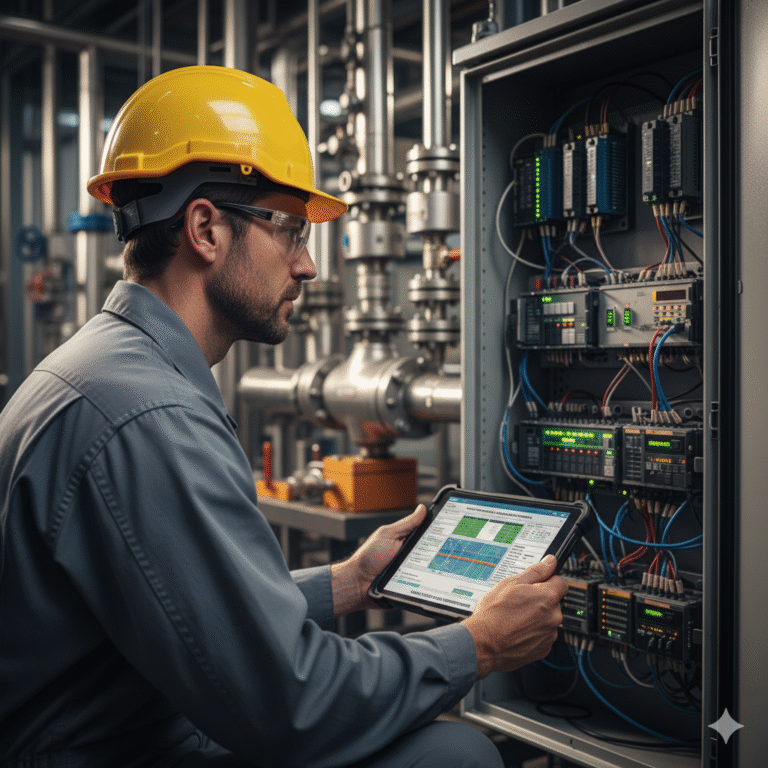
5. Improving Maintenance Performance
To enhance maintenance quality and reliability, enterprises should achieve:
Standardization
Define “what must be inspected, cleaned, adjusted, and measured,” and unify task expectations across all equipment.
Proceduralization
Establish step-by-step technical work instructions tailored to each equipment type and require technicians to follow them.
Institutionalization
Define maintenance cycles and work frequency based on equipment characteristics and usage—daily, weekly, monthly, and annual tasks—and enforce execution.
For scheduled maintenance tasks, define:
Labor-hour quotas
Material consumption limits
Work completion assessments
Self-inspection, peer inspection, and periodic facility audits should be encouraged enterprise-wide to create a strong maintenance culture.
6. Conclusion
A reliable maintenance system is essential to safe, efficient industrial production.
Enterprises that implement disciplined operation, skilled personnel allocation, proactive inspection, and structured workflows will significantly improve equipment availability, reduce failures, and minimize total lifecycle cost.