
In chemical manufacturing, the stable operation of the DCS (Distributed Control System) is a cornerstone of both safety and efficiency. However, a seemingly insignificant issue such as an aging data cable can trigger serious chain reactions — including interlock activation, emergency shutdowns, and potential process disruptions. This case study details how a fault in a DB25 data cable led to a system trip, and what measures were taken to transition from reactive repair to proactive lifecycle management.
1. Background of the System
The incident occurred in a methylsulfonyl intermediate production unit commissioned in 2010, with a nameplate capacity of 500 tons/year. Following process upgrades, the plant expanded from a single line to dual production lines, covering key operations such as acylation, synthesis, washing, drying, and solvent recovery.
2. Fault Description
Affected Section: Solvent distillation and recovery unit
Issue: The temperature interlock loop at the bottom of a distillation column showed a full-scale reading.
Trigger: High-High temperature alarm activated, automatically closing the steam control valve via interlock logic.
Result: Emergency shutdown of the entire solvent recovery section.
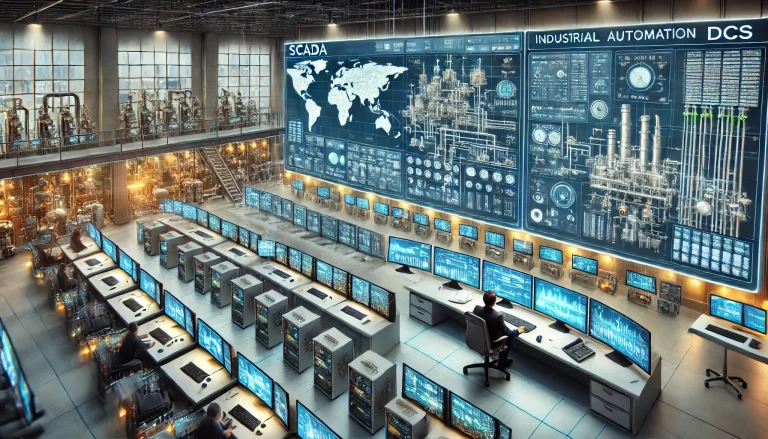
3. Troubleshooting Procedure
The process team responded by switching the automatic feed system to manual mode and stopping material input. After following interlock bypass procedures and completing risk assessments, troubleshooting commenced:
Initial Checks:
Verified RTD (Pt100) sensor and field wiring
Inspected intrinsic safety barriers and signal conditioning modules in the cabinet
Rechecked the I/O configuration in the DCS system
Signal Simulation Test:
Used a resistance decade box to simulate the temperature signal at the terminal block
Fault persisted → DCS not receiving proper signal → Suspected data communication failure
Root Cause Identification:
Replaced the DB25 data cable between the terminal board and the system card
Temperature reading returned to normal
Fault confirmed as data cable aging/oxidation disrupting analog signal transmission
✅ System resumed normal operation after cable replacement

4. Improvement Measures
To avoid similar failures in the future, the following actions were implemented:
a) Preventive Maintenance during Scheduled Shutdowns
Inspect all DCS components for aging, corrosion, or loose connections
Replace or reinforce critical signal cables prone to mechanical wear
b) Establish Lifecycle Management Plans
Develop a tiered renewal plan based on component aging characteristics
Prioritize upgrades for equipment operating beyond its design life
c) Strengthen Routine Inspections
Implement regular DCS diagnostics, including signal quality checks and interface integrity verification
Focus on legacy wiring interfaces such as DB25/RS485, which are susceptible to contact fatigue
d) Standardize Interlock Management
Configure all interlock signals and control loops with fail-safe logic
Strictly prohibit unauthorized modifications to interlock configurations or control modes
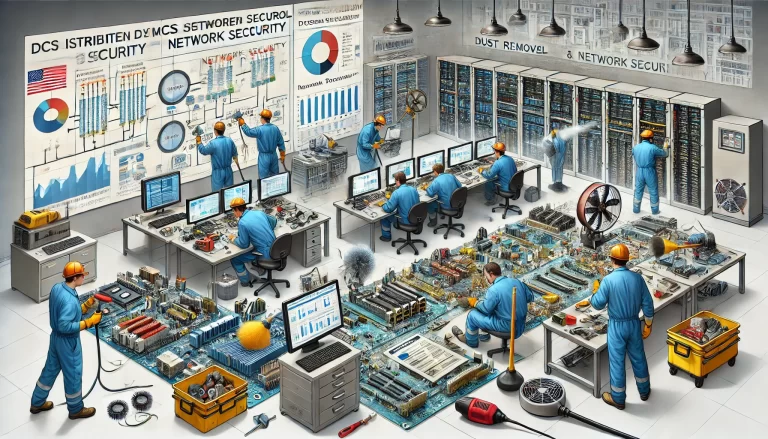
5. Key Takeaways
Even a small component such as a data cable can lead to critical failures in highly automated systems.
A structured troubleshooting approach — from field instrumentation to system interfaces — is crucial for rapid recovery.
Preventive lifecycle management of DCS hardware is essential, especially for systems running over a decade.
Standardized interlock protocols must be enforced to maintain system safety.