
Instrumentation cables are specialized cables used for transmitting low-voltage, low-current signals in industrial control systems. These cables are vital for ensuring accurate communication and control between various devices in automation systems. Below is a detailed exploration of the common types of instrumentation cables, their characteristics, and suitable applications.
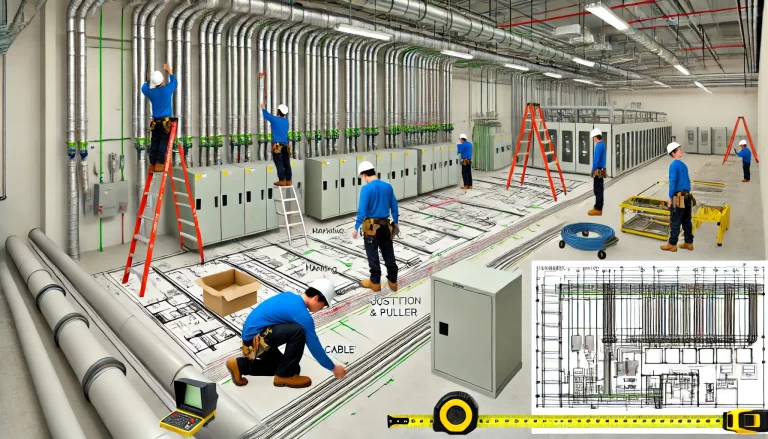
1. RVVP: Copper Conductor, PVC Insulated and Shielded Control Cable
- Features:
- Shielding: Equipped with a braided shielding layer that provides excellent protection against electromagnetic interference (EMI).
- Material: Made of PVC insulation, ensuring flexibility and resistance to wear.
- Temperature Range: Typically functions in environments ranging from -40°C to 70°C.
- Applications:
- Commonly used in industrial environments where signal transmission requires protection against external interference.
- Suitable for low-frequency signal transmission, such as in audio systems and general control circuits.
2. RVV: Copper Conductor, PVC Insulated Flexible Cable
- Features:
- No Shielding: Lacks a shielding layer, making it less resistant to EMI but more cost-effective.
- Flexibility: Offers high flexibility, making it easy to install and route.
- Durability: Moderate resistance to mechanical stress.
- Applications:
- Used in non-critical environments where interference is minimal.
- Ideal for transmitting control signals in household appliances and basic industrial systems.
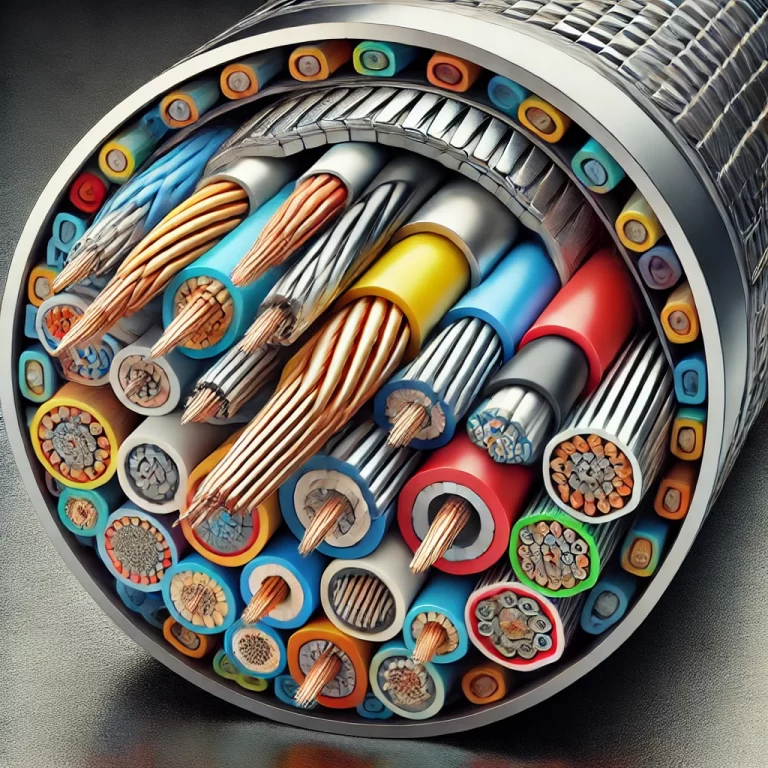
3. DJYVP: Copper Conductor, Polyethylene Insulated Shielded Instrumentation Cable
- Features:
- Insulation Material: Polyethylene insulation provides excellent resistance to moisture, chemicals, and mechanical stress.
- Shielding: Features a shielding layer to enhance resistance to EMI.
- Signal Stability: Ensures reliable and accurate signal transmission.
- Applications:
- Perfect for precision instrumentation and control systems where stable signal transmission is crucial.
- Commonly used in oil refineries, chemical plants, and other high-demand industrial setups.
4. DJYPVP: Copper Conductor, Polyethylene Insulated, Copper Tape Shielded Cable
- Features:
- Double Shielding: Combines braided shielding and copper tape shielding for superior EMI protection.
- Enhanced Durability: Resistant to high mechanical stress and adverse environmental conditions.
- Temperature Range: Can withstand higher temperatures, typically up to 250°C.
- Applications:
- Designed for environments with heavy electromagnetic interference.
- Ideal for petrochemical industries, power plants, and complex industrial automation systems.
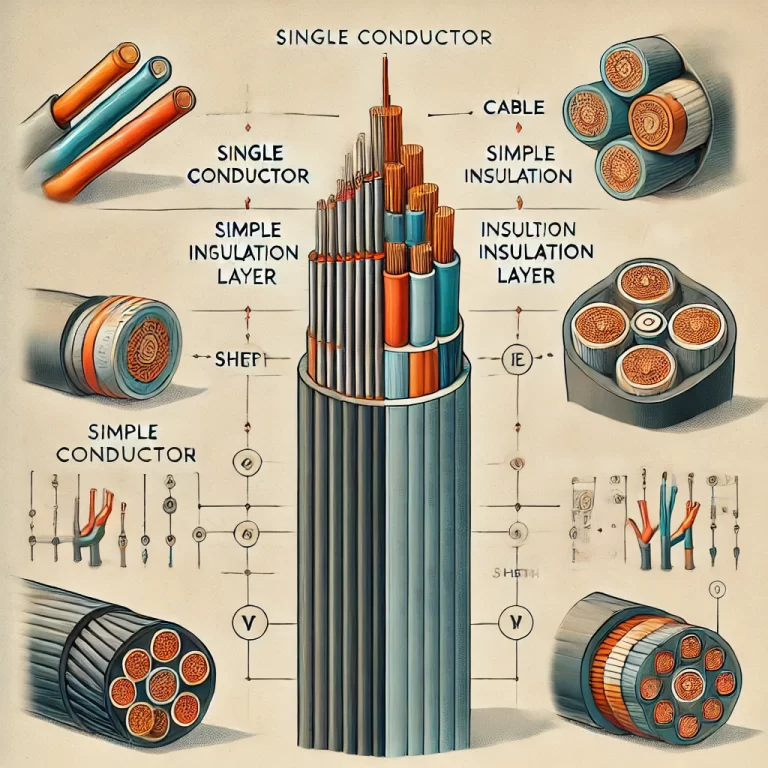
5. DJYVRP: Flexible Shielded Polyethylene Insulated Cable
- Features:
- Flexibility: Designed for dynamic environments where cables are subject to frequent movement.
- Shielding: Braided shielding ensures effective EMI resistance.
- Material: Polyethylene insulation provides high stability and weather resistance.
- Applications:
- Widely used in dynamic control systems, such as robotics and moving machinery.
- Suitable for environments where cables need to endure continuous bending or flexing.
6. IA-DJYVRP: High-Temperature Resistant Instrumentation Cable
- Features:
- Heat Resistance: Manufactured using high-performance insulation materials like fluoroplastics, enabling operation in extreme temperatures.
- Shielding: Provides robust EMI resistance for high-accuracy signal transmission.
- Durability: Resistant to chemicals, moisture, and physical stress.
- Applications:
- Used in industries with high-temperature processes, such as smelting, power generation, and glass manufacturing.
- Suitable for precision instrumentation in harsh conditions.
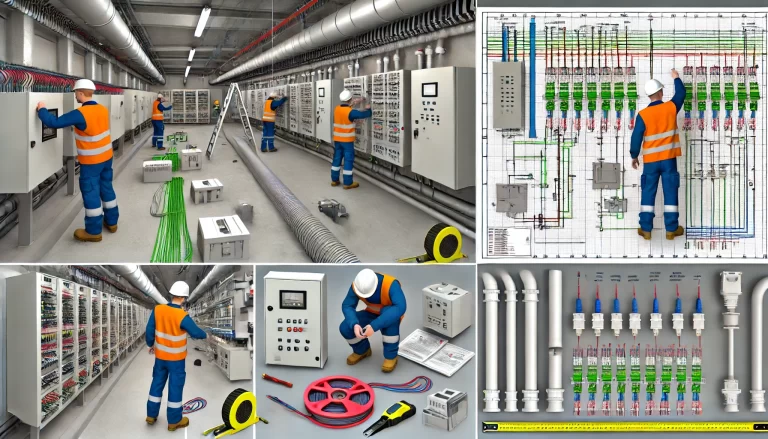
7. DJYJPVP: Armored Polyethylene Insulated Cable
- Features:
- Armor Layer: Reinforced with a steel or aluminum armor layer to protect against mechanical damage and compression.
- Shielding: Equipped with a shielding layer for EMI resistance.
- Environment Adaptability: Suitable for harsh environments, including underground or exposed installations.
- Applications:
- Commonly deployed in underground systems or heavy industrial areas requiring high mechanical strength.
- Used for instrumentation and control in oil and gas pipelines, mining operations, and energy plants.
Key Considerations for Cable Selection
When selecting an instrumentation cable, consider the following factors:
- Signal Integrity:
- For stable and interference-free transmission, choose cables with effective shielding, such as DJYVP or RVVP.
- Environmental Conditions:
- In high-temperature environments, opt for IA-DJYVRP cables.
- For installations exposed to mechanical stress, armored cables like DJYJPVP are ideal.
- Cost Efficiency:
- RVV cables are cost-effective for basic applications without stringent interference requirements.
- Flexibility Requirements:
- For dynamic systems or movable equipment, DJYVRP is a suitable choice.

Conclusion
Instrumentation cables play a critical role in modern industrial automation and control systems. Selecting the right cable type ensures reliable signal transmission, minimizes downtime, and improves system performance. By understanding the characteristics and applications of different cable types, you can make informed decisions that match your project’s technical and environmental needs.