
Electrostatic grounding is a crucial safety measure in the design and operation of many types of filters, particularly in environments where static electricity could potentially cause damage to equipment or lead to hazardous conditions. While not all filters require electrostatic grounding, certain types of filters — especially those involved in sensitive, high-voltage, or explosive environments — demand this feature to ensure the safe operation of equipment and to mitigate risks associated with static electricity buildup. In this article, we will explore the scenarios in which electrostatic grounding is necessary for filters and why this precaution is important.
What is Electrostatic Grounding?
Electrostatic grounding refers to the practice of connecting equipment to the earth, allowing excess static charge to flow safely to the ground, preventing the accumulation of harmful static electricity. In a filter, the absence of grounding can lead to static charge buildup on the surface, which can then discharge in a violent spark (electrostatic discharge, or ESD), potentially damaging sensitive components, creating safety hazards, or interfering with operations. Proper grounding ensures that these risks are minimized by providing a safe path for the static charge to dissipate.
Filters that Require Electrostatic Grounding
Although grounding may not be necessary for all filters, there are several key instances where it becomes critical. These include filters used in electronic equipment, high-voltage environments, explosive atmospheres, and high-frequency applications, among others.
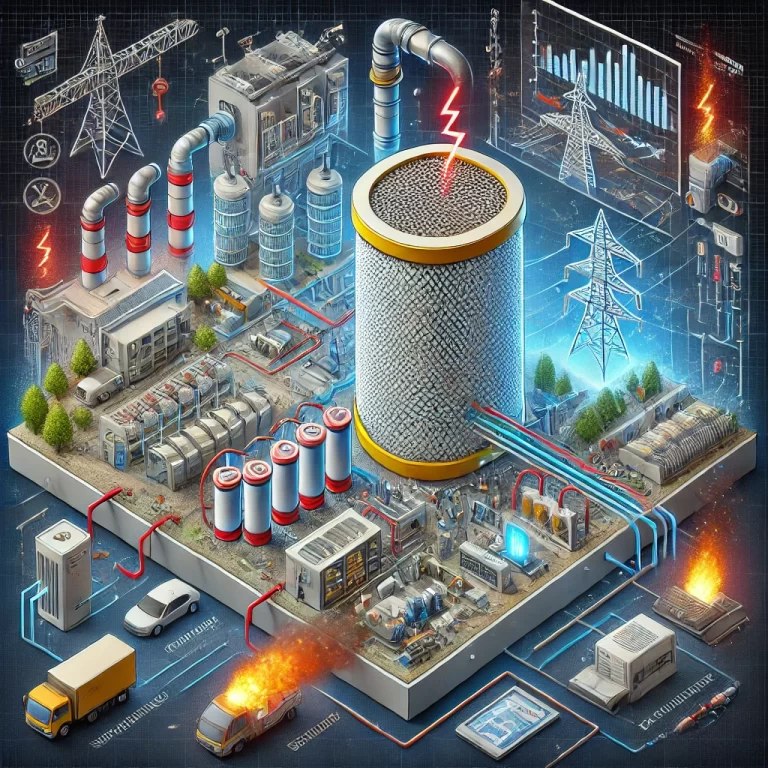
1. Filters in Electronic Equipment
Electronic devices and components are particularly vulnerable to electrostatic discharge. In industries such as semiconductors, telecommunications, and medical devices, filters that interact with electronic circuits or sensitive components must be grounded to avoid potential damage from static electricity. For instance, a filter used in a device like a computer or medical equipment could accumulate a static charge that, if discharged, may destroy delicate microchips, sensors, or other essential parts.
Electronic components are often built with small tolerances, and static electricity can cause malfunction or failure of these parts even at low voltages. Therefore, filters in such applications must have electrostatic grounding to prevent such damage and ensure the longevity and reliability of the devices.
2. High-Voltage Filters
In high-voltage systems, such as power distribution networks or industrial machines, filters are often used to suppress unwanted electrical noise or smooth out power signals. However, high-voltage environments can create an ideal situation for static electricity to accumulate on the filter, especially if the filter is in contact with high-voltage cables or components. If static is not grounded, it can lead to electrical arcing, equipment malfunction, or even cause dangerous fires in extreme cases.
In these applications, grounding the filter is essential to avoid accidental discharges and maintain the integrity of both the filter and the overall system. Grounding allows the filter to release accumulated static safely and ensures that no unwanted electrical interference disrupts the system.
3. Filters in Explosive or Hazardous Environments
In industries where explosive gases, vapors, or combustible dusts are present — such as oil and gas facilities, chemical plants, and pharmaceutical manufacturing — static electricity can pose a significant hazard. A discharge from static electricity in these environments can potentially ignite flammable materials, leading to catastrophic explosions or fires.
For this reason, filters used in such environments must be grounded to prevent the accumulation of static charges. Grounding helps eliminate the risk of electrostatic discharge (ESD), which can be a source of ignition in these high-risk scenarios. Additionally, ensuring proper grounding is often a regulatory requirement in hazardous industries to comply with safety standards and prevent accidents.
4. Filters in High-Frequency Applications
High-frequency equipment, such as radio frequency (RF) filters used in communication devices or radar systems, are highly susceptible to interference from both external sources and internal static build-up. Filters that operate in these frequency ranges can distort signals if subjected to uncontrolled static charge. In fact, static electricity can cause performance degradation or even failure of the filter.
To ensure the consistent performance of high-frequency systems, it is vital to ground the filters. This ensures that any static charge is diverted away from sensitive components and reduces the risk of signal degradation due to unwanted static buildup.
5. Filters Handling Combustible Dust or Particles
Certain filters are designed to handle particulate matter, including dust or fine powders, in industrial processes such as milling, woodworking, or pharmaceuticals. These materials can be highly combustible, and static electricity can easily accumulate on both the filter and the dust particles themselves. If the static charge becomes large enough, it can trigger a spark, leading to a dust explosion.
In environments where combustible dust is present, grounding the filter and other equipment is necessary to prevent static charge buildup. By ensuring that the filter is properly grounded, the risk of dangerous explosions due to electrostatic discharge is significantly reduced.

Why is Electrostatic Grounding Important?
The importance of electrostatic grounding lies in the protection it offers against several potential hazards:
- Equipment Protection: Static electricity can cause permanent damage to sensitive components, especially in electronics. Grounding ensures that equipment remains safe from electrostatic discharge.
- Safety: In explosive environments, static discharge can ignite flammable gases or dust. Proper grounding prevents this danger, reducing the risk of fires and explosions.
- Operational Efficiency: For high-frequency filters, static buildup can cause signal interference, reducing the performance of communication or radar systems. Grounding ensures optimal operation by preventing this issue.
- Regulatory Compliance: Many industries, particularly those involving explosive materials or high-voltage equipment, are required by law to implement electrostatic grounding to ensure the safety of both workers and the environment.
Conclusion
Not all filters require electrostatic grounding, but in certain applications, it is a necessary safety measure. Filters used in electronic devices, high-voltage systems, hazardous environments, high-frequency applications, and systems dealing with combustible materials must be grounded to protect against the harmful effects of static electricity. By properly grounding these filters, the risks of equipment damage, fires, explosions, and operational failure can be significantly reduced, ensuring safe and reliable performance in critical industries. As technology advances, the need for careful attention to grounding will only increase, and manufacturers must prioritize this important aspect in their designs to meet safety standards and protect both their equipment and personnel.