
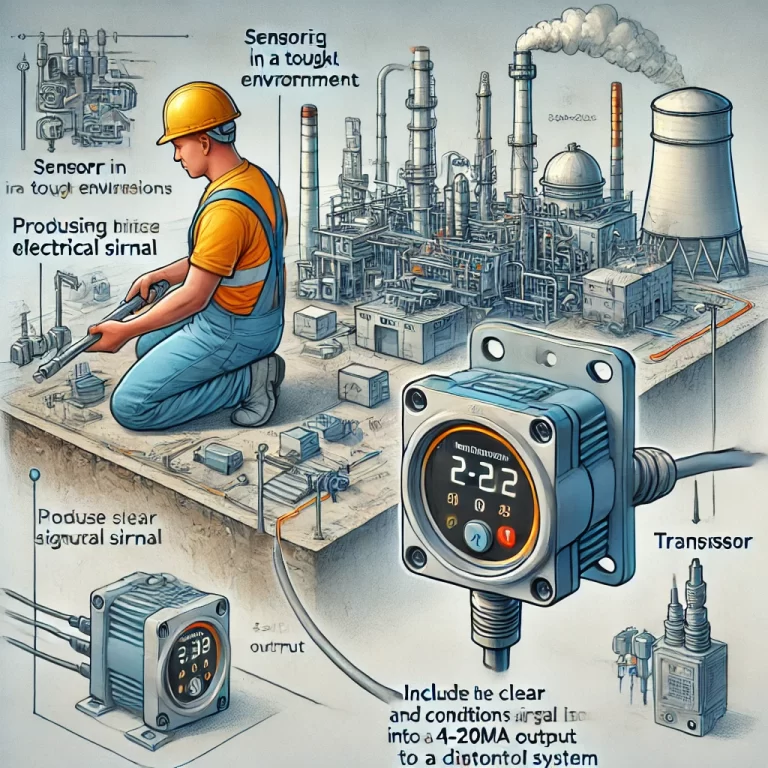
In industrial and agricultural production, various types of transmitters are essential for measurement and monitoring tasks. The effectiveness of these tasks heavily depends on the measurement methods and performance of the transmitters. Selecting the appropriate measurement method requires a thorough analysis of the objectives and environment, followed by the design of a scientifically sound and practical measurement plan. This article explores three primary measurement methods used with transmitters: direct measurement, indirect measurement, and combined measurement.
Direct Measurement Method
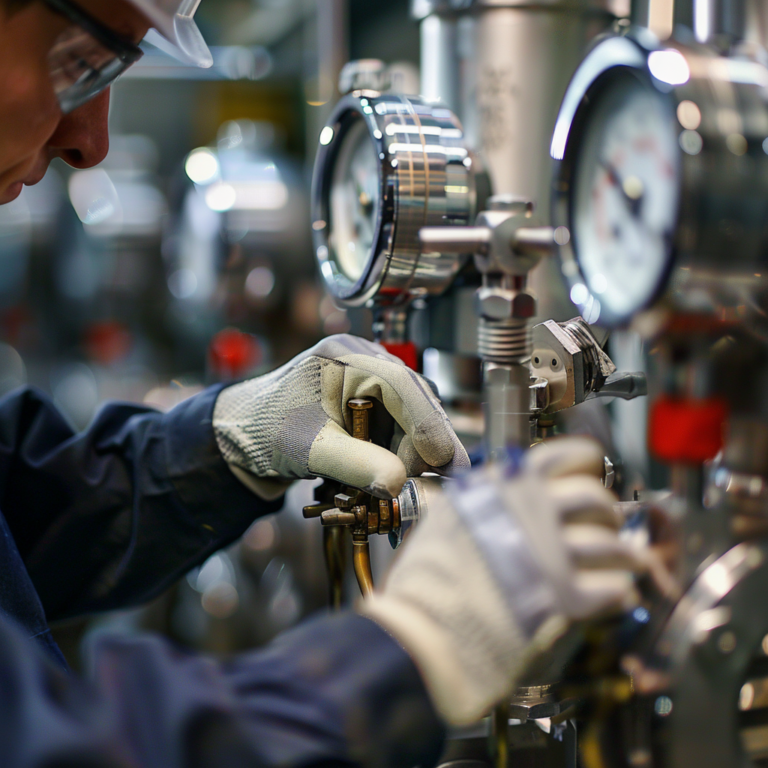
The direct measurement method involves obtaining measurement results without requiring further processing or computation. The results are directly derived from the transmitter’s output.
For example:
- Pressure transmitters are used to measure the pressure in water supply pipelines.
- Temperature transmitters measure the temperature of media inside tanks in food processing plants.
Advantages:
- Simplicity: The measurement process is straightforward and requires minimal effort.
- Efficiency: Results are obtained quickly, making it ideal for real-time monitoring in production processes.
- Widespread use: Given its simplicity, this method is widely adopted in industrial applications where rapid and direct readings are necessary.
Limitations:
- Accuracy and applicability depend on the physical accessibility of the measured quantity.
- May not be suitable for complex systems where the target parameter cannot be directly measured.
Indirect Measurement Method
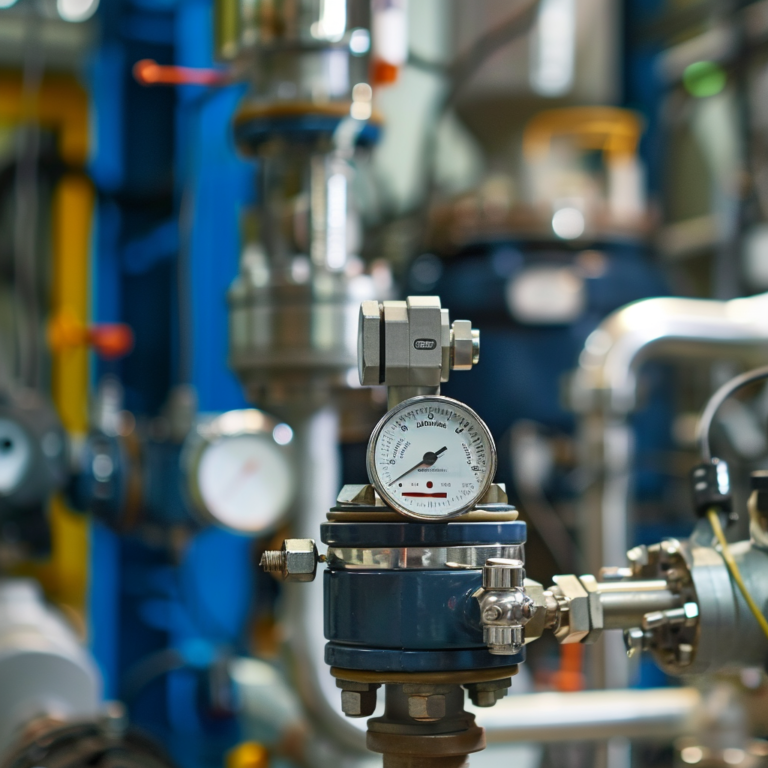
Indirect measurement is used when direct measurement is impractical or impossible. Instead, it involves measuring quantities that have a defined functional relationship with the target parameter. The measured values are then substituted into the functional relationship or equation to calculate the desired result.
Example Scenario:
- In certain industrial processes, it might not be feasible to measure flow velocity directly. Instead, parameters such as pressure difference and pipe diameter can be measured, and the flow velocity is calculated using a specific equation (e.g., Bernoulli’s equation).
Advantages:
- Flexibility: Applicable to situations where the primary variable cannot be measured directly.
- Versatility: Allows the measurement of a wide range of derived quantities by leveraging known relationships.
Challenges:
- Complexity: Requires additional computational steps to derive the final measurement.
- Calibration: Ensuring accuracy depends on the correctness of the functional relationship and the precision of intermediate measurements.
Combined Measurement Method
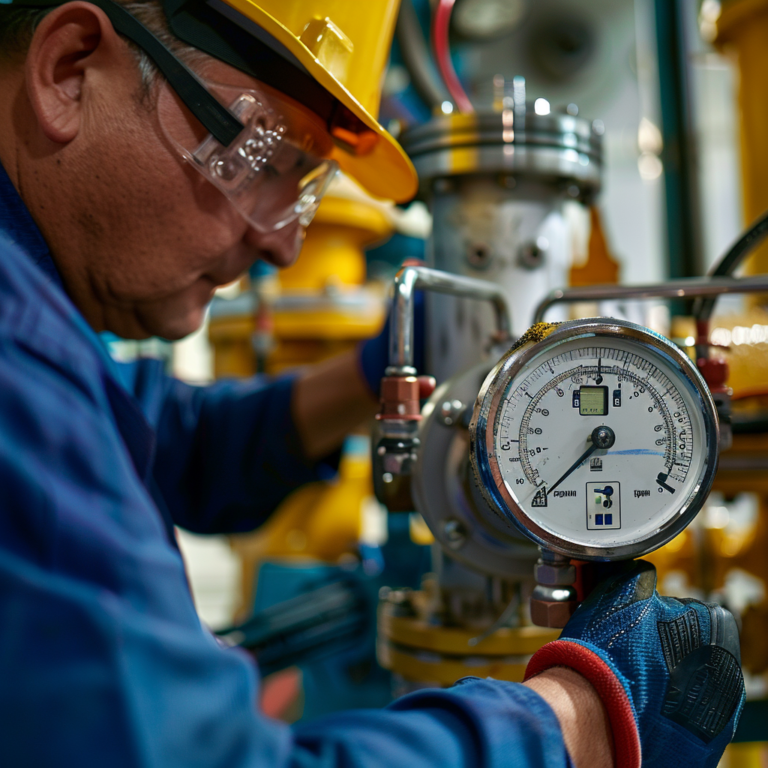
The combined measurement method is employed when the desired results can only be obtained by solving a system of equations. This often requires measuring multiple variables under varying conditions to generate a complete data set.
Example Scenario:
- In advanced scientific research or specialized industrial settings, measuring parameters like material stress under varying loads might involve solving simultaneous equations that describe the material’s behavior under different conditions.
Advantages:
- Precision: Provides highly accurate results suitable for experimental or high-precision industrial needs.
- Adaptability: Allows the measurement of complex physical properties that cannot be captured with simpler methods.
Challenges:
- Time-Consuming: The need to vary conditions and solve complex equations makes this method resource-intensive.
- Operational Complexity: Requires skilled personnel and sophisticated computational tools to handle the measurements and calculations.
Comparison of Methods
| Measurement Method | Direct Measurement | Indirect Measurement | Combined Measurement |
|---|---|---|---|
| Applicability | Simple, routine tasks | Derived parameters, inaccessible variables | Complex systems, scientific research |
| Ease of Use | High | Moderate | Low |
| Accuracy | Moderate to High | High (dependent on calculations) | Very High |
| Required Tools | Basic instruments | Intermediate instruments + computational tools | Advanced instruments + extensive computation |
| Time Required | Minimal | Moderate | Extensive |
Conclusion
Each measurement method has its unique strengths and limitations, making them suitable for different scenarios. Direct measurement is ideal for straightforward and routine tasks, while indirect measurement offers flexibility for inaccessible or derived parameters. Combined measurement provides unparalleled accuracy and adaptability for specialized applications, though at the cost of time and complexity. Selecting the appropriate method requires a careful assessment of the application’s requirements, resources, and accuracy needs.
Understanding these methods and their practical applications ensures efficient and reliable measurement processes, ultimately supporting the broader goals of industrial and agricultural production systems.