
Gas detector calibration is a critical process that ensures the accuracy and reliability of gas detection equipment. Proper calibration is essential for safety and compliance, especially in industries such as petrochemicals, mining, and environmental monitoring. This article provides an in-depth overview of the standards, calibration methods, equipment, and best practices involved in calibrating gas detectors.

1. Common Standards for Gas Detector Calibration
Gas detector calibration follows specific guidelines based on national, international, and industry standards. Some of the key standards include:
National Standards
- GB/T 12631-2016: General technical requirements for combustible gas detection alarms.
- GB/T 50493-2019: Design specifications for combustible and toxic gas detection alarm systems.
- JJG 693-2011: Verification regulation for combustible gas detection alarms.
- JJG 915-2008: Verification regulation for electrochemical oxygen analyzers.
International Standards
- ISO 10816: Vibration monitoring and diagnostics for gas detection equipment.
- EN 60079: Explosive atmospheres—related to gas detection and equipment safety.
Industry Standards
- HJ 212: Guidelines for ambient air quality monitoring instruments.
- Q/SY Standards: Specific to the petrochemical industry for gas detection and alarm equipment.
These standards define the requirements for accuracy, performance, and calibration procedures.
2. Methods of Gas Detector Calibration
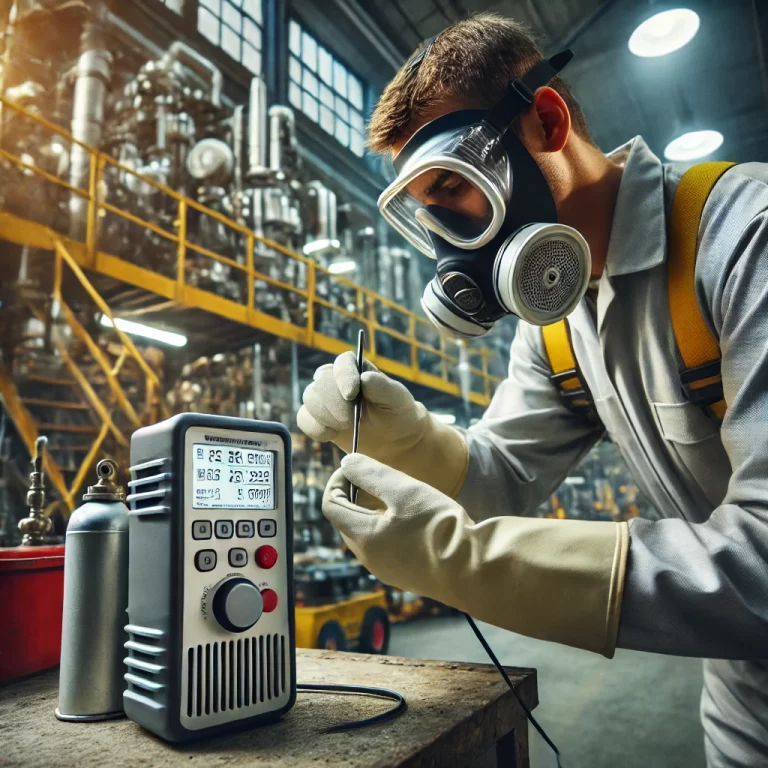
Calibration involves comparing the gas detector’s readings against a known concentration of standard gas. The goal is to ensure the detector operates accurately across its entire range. Common calibration methods include:
(1) Zero Calibration
- Performed by exposing the detector to zero gas (clean, filtered air or nitrogen).
- Ensures the detector registers zero when no target gas is present.
- Corrects for environmental or baseline interference.
(2) Span Calibration
- Uses standard gas with a known concentration to adjust the detector’s sensitivity.
- Ensures the instrument accurately measures the target gas concentration.
(3) Multi-Point Calibration
- Conducted for detectors with a wide measurement range.
- Involves using multiple standard gases of different concentrations to calibrate across the full range.
(4) Drift Calibration
- Measures and corrects for long-term sensor drift.
- Ensures consistent accuracy over the lifetime of the device.
(5) Response Time Calibration
- Tests how quickly the detector responds to a sudden change in gas concentration.
- Ensures the device meets response time specifications.
3. Calibration Equipment and Tools
Calibrating gas detectors requires specialized tools and equipment. Commonly used tools include:
- Standard Gas Cylinders: Contain precise concentrations of the target gas for calibration. Examples include methane, hydrogen sulfide, carbon monoxide, and oxygen.
- Flow Regulators: Control the flow rate of calibration gas to the detector.
- Calibration Adapters or Caps: Attach to the gas detector to introduce the calibration gas.
- Gas Dilution Systems: Create custom gas mixtures by diluting standard gas with zero gas.
- Environmental Monitors: Measure temperature, humidity, and pressure during calibration to ensure consistent conditions.

4. Calibration Procedure
Step 1: Preparation
- Verify the detector is clean, operational, and in its standard working environment.
- Ensure the calibration gas cylinders are within their expiration dates.
- Check the calibration environment for stable temperature, humidity, and pressure.
Step 2: Zero Calibration
- Connect the detector to a source of zero gas (air or nitrogen).
- Allow the detector to stabilize and adjust the zero point as needed.
Step 3: Span Calibration
- Introduce a standard gas with a known concentration to the detector.
- Adjust the detector’s readings to match the known gas concentration.
Step 4: Response Time Test
- Quickly introduce the calibration gas and monitor the detector’s response time.
- Compare the results to the manufacturer’s specifications.
Step 5: Record Results
- Document the calibration process, including:
- Gas concentrations used.
- Detector readings before and after calibration.
- Environmental conditions during calibration.
5. Calibration Frequency
The frequency of calibration depends on several factors, including the detector type, operating environment, and manufacturer’s recommendations.
- Routine Calibration: Every 6–12 months for general applications.
- High-Risk Environments: Every 3–6 months in environments with high exposure to gases or extreme conditions.
- Post-Maintenance Calibration: Immediately after replacing sensors or significant repairs.
- Pre-Use Calibration: For newly purchased detectors or before critical operations.
6. Best Practices for Gas Detector Calibration
- Use Certified Standard Gases: Always use gases certified by a recognized calibration gas supplier.
- Monitor Environmental Conditions: Ensure stable conditions for temperature, humidity, and pressure during calibration.
- Follow Manufacturer’s Guidelines: Adhere to the calibration procedures outlined in the detector’s manual.
- Maintain Calibration Records: Keep detailed logs for each calibration, including dates, results, and any adjustments made.
- Train Personnel: Ensure operators conducting calibration are properly trained and certified.
7. Calibration by Authorized Agencies
For organizations without in-house expertise, calibration can be outsourced to accredited calibration laboratories. These labs often comply with ISO 17025 standards and provide detailed calibration certificates.
8. Conclusion
Regular calibration of gas detectors is essential for maintaining safety, compliance, and operational efficiency. By following the proper standards, methods, and practices, organizations can ensure their gas detection equipment provides reliable and accurate measurements in all conditions.